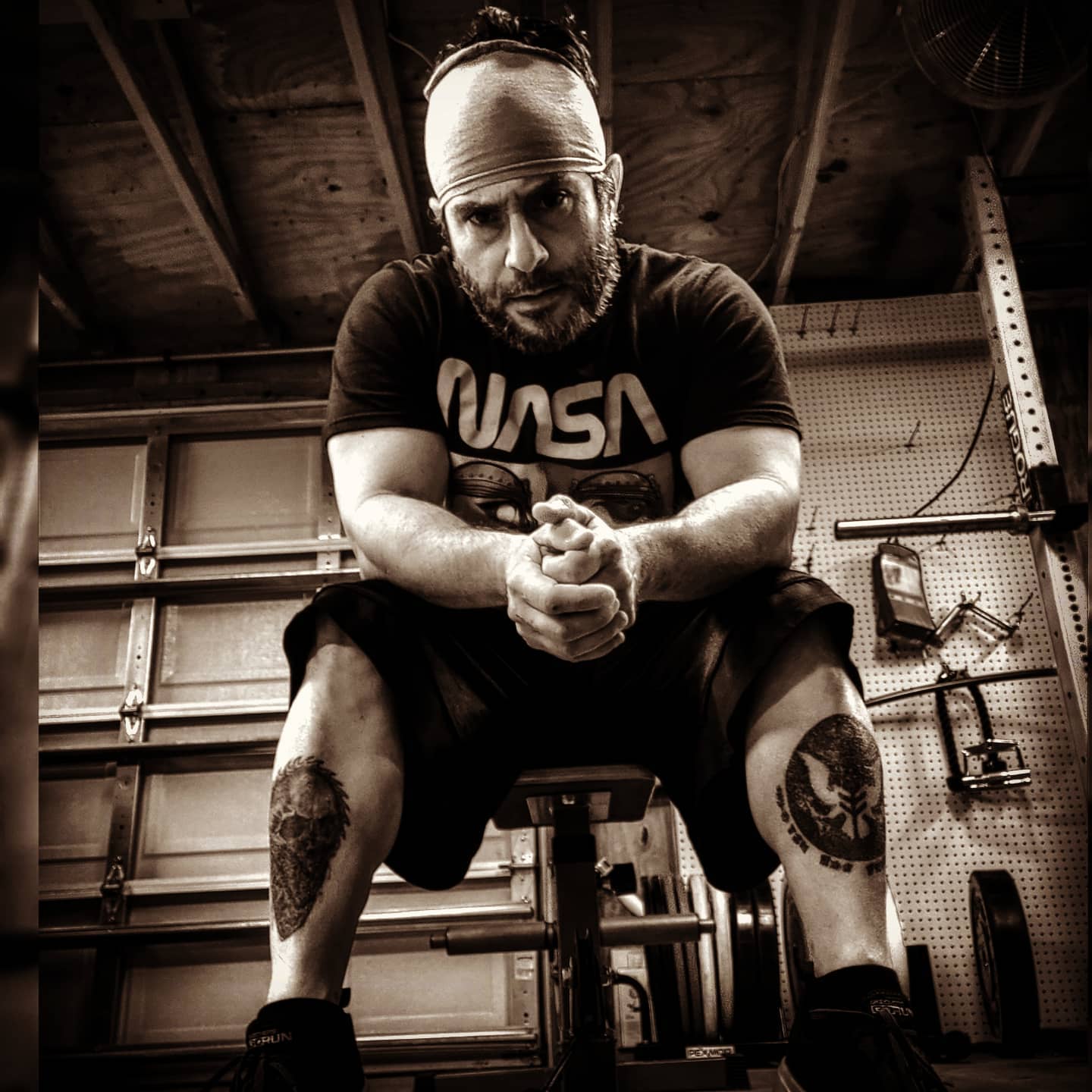
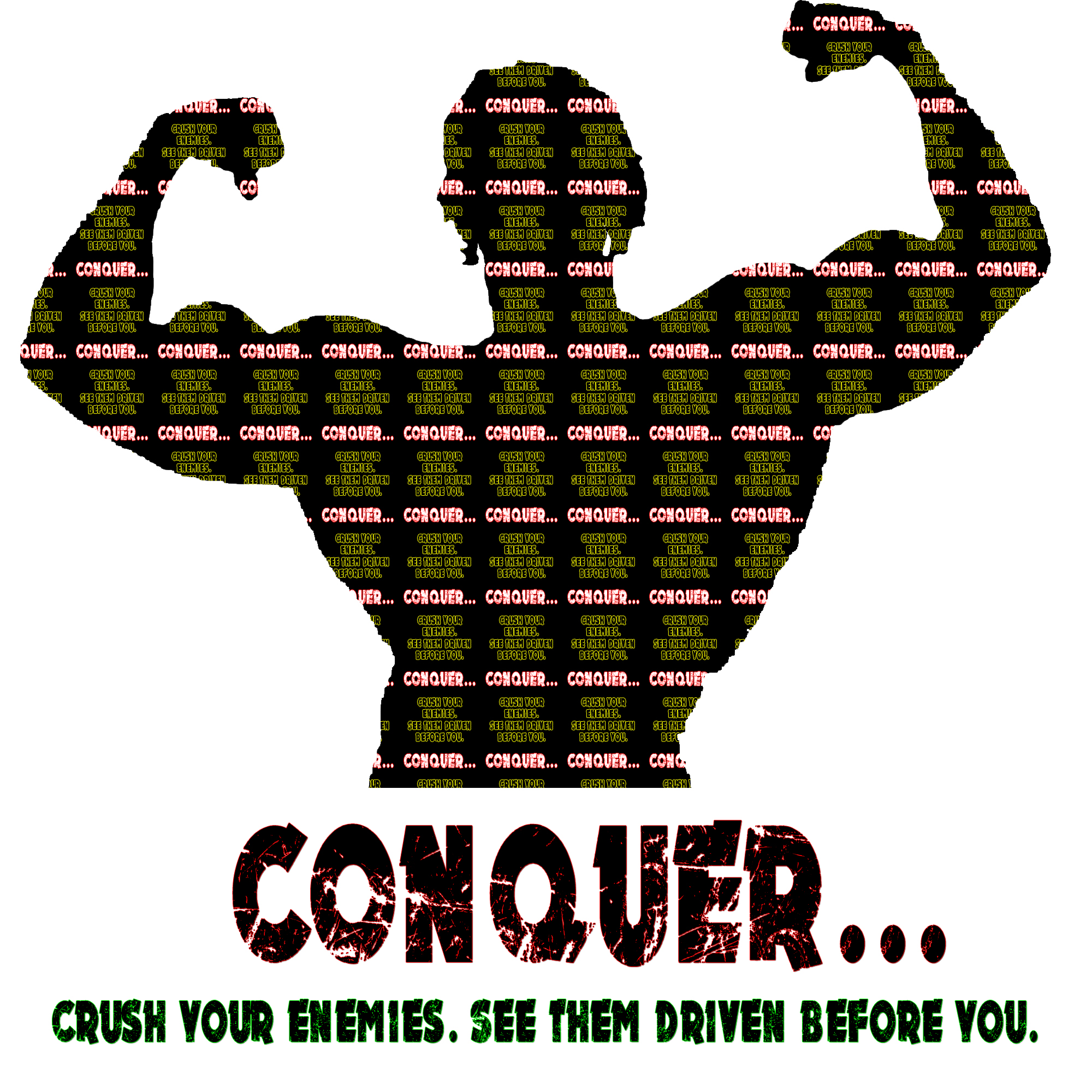
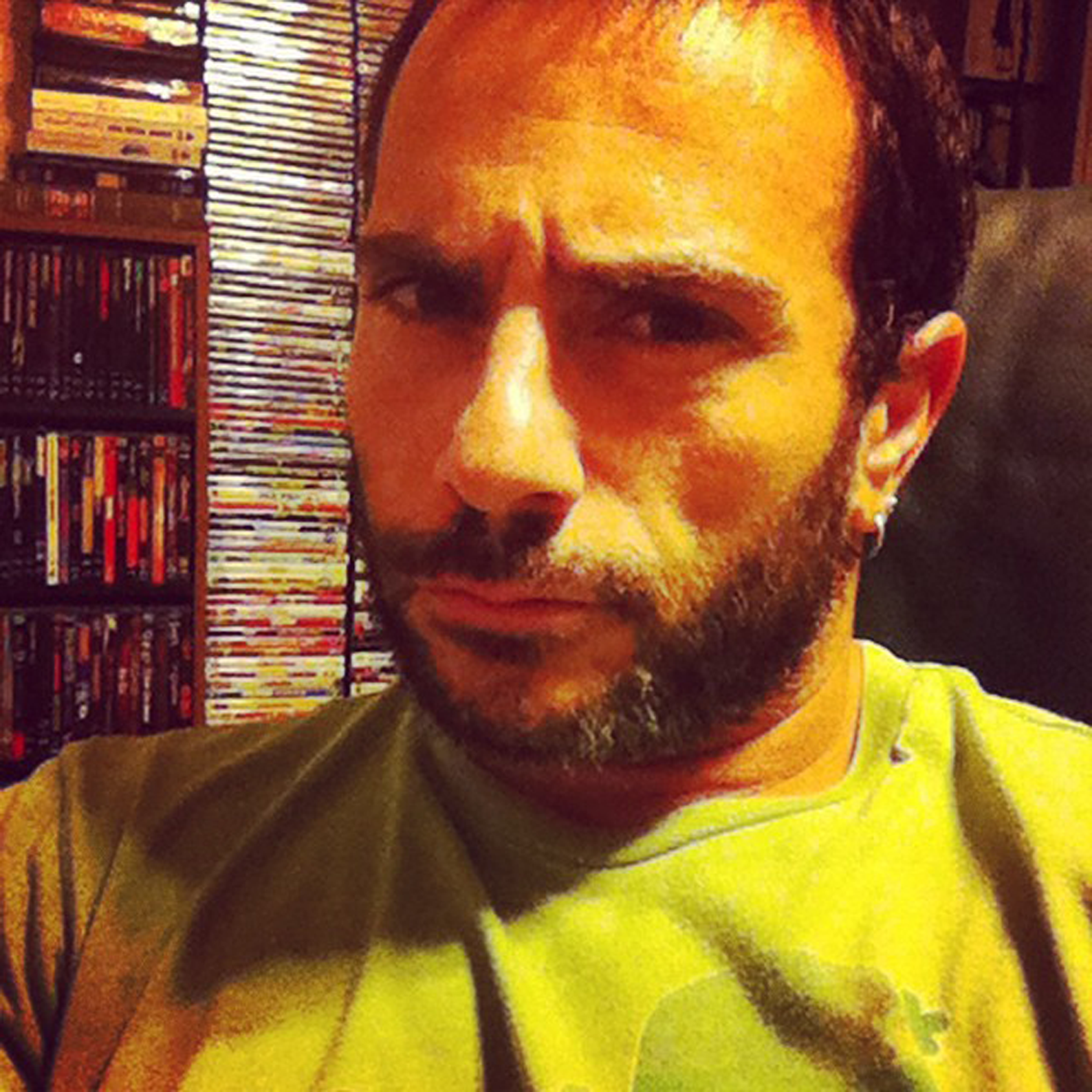
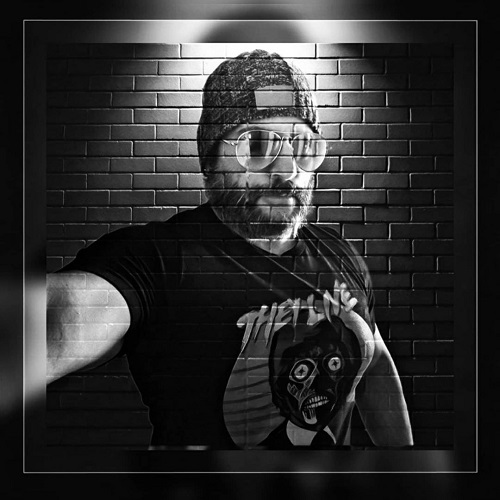
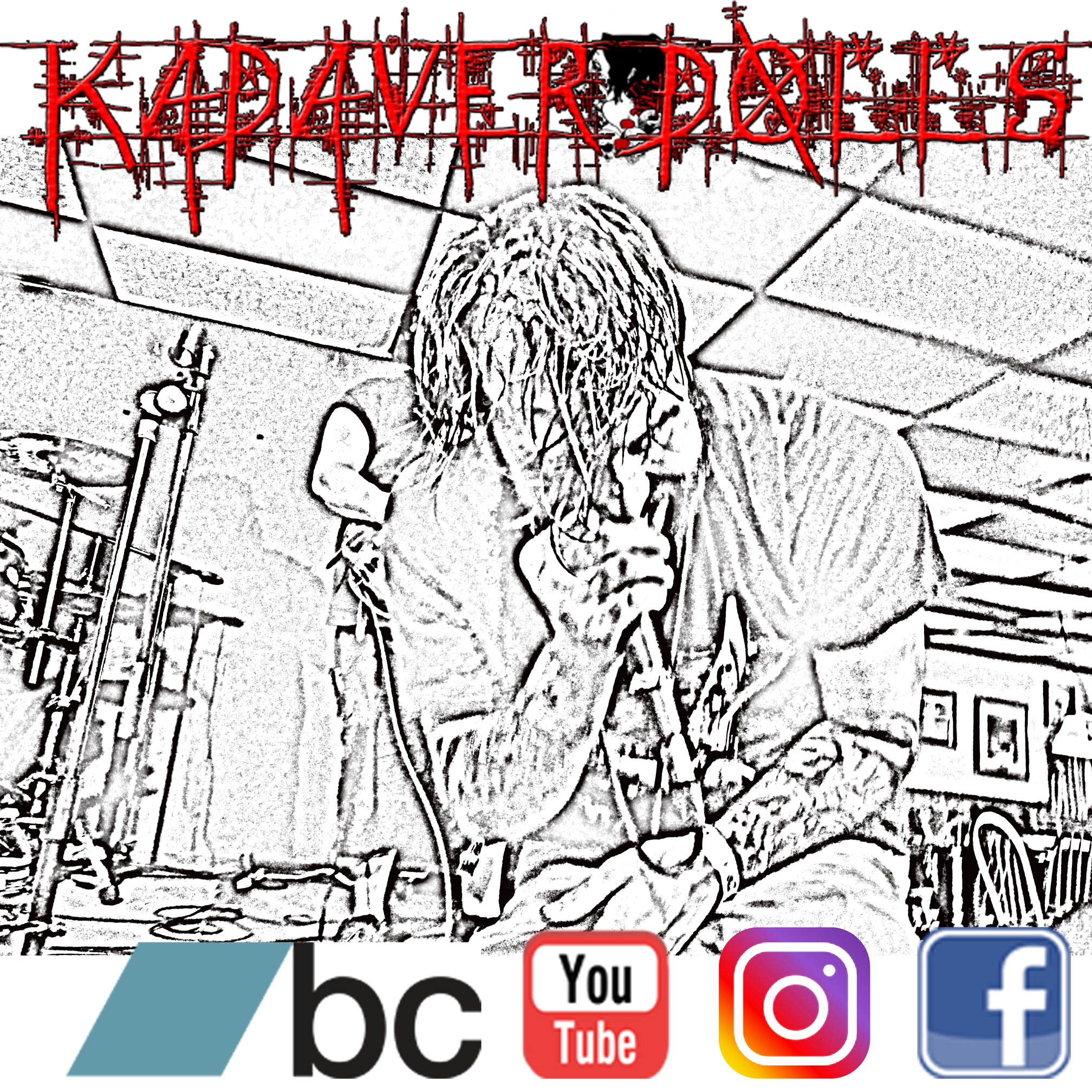
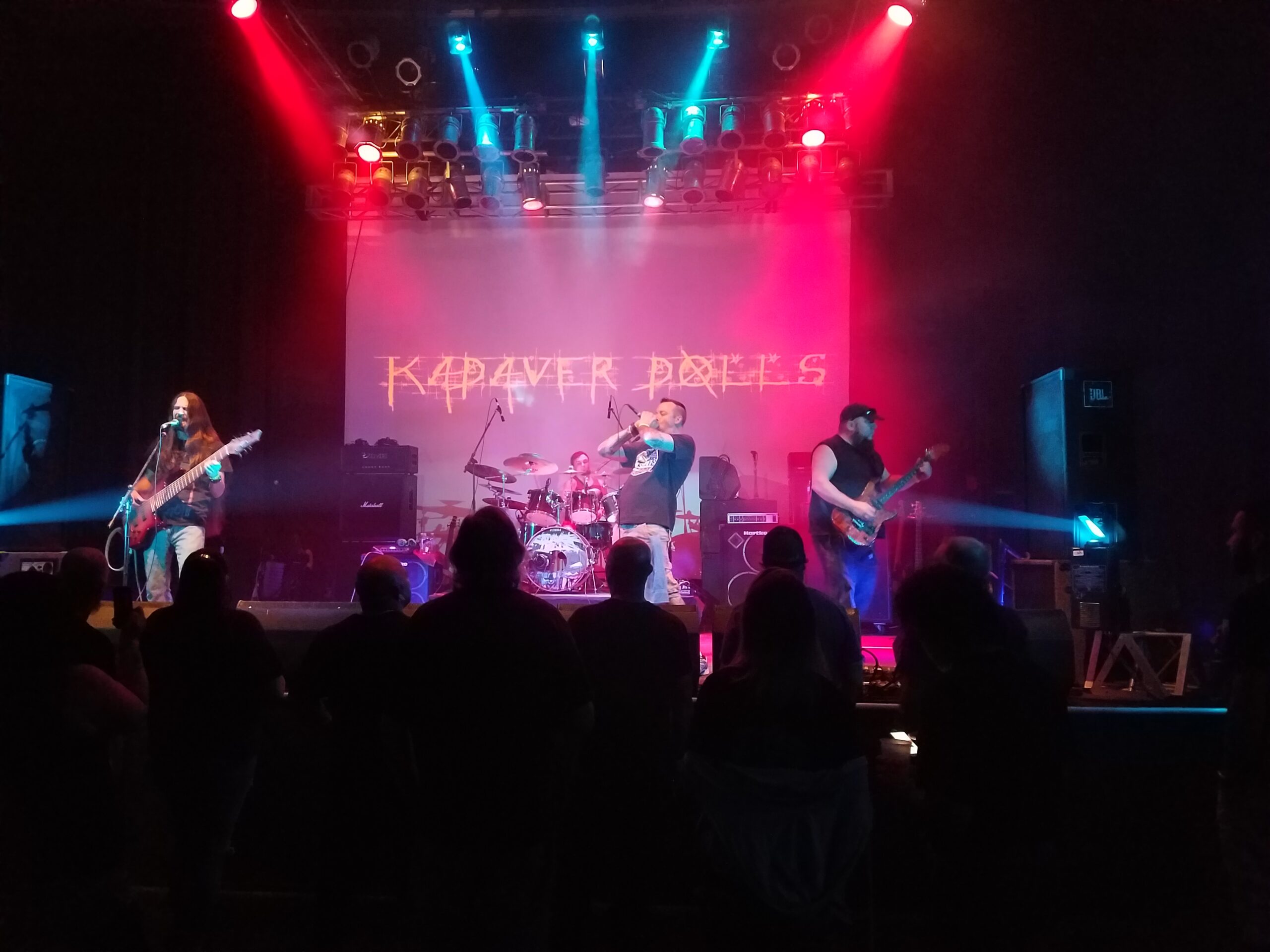
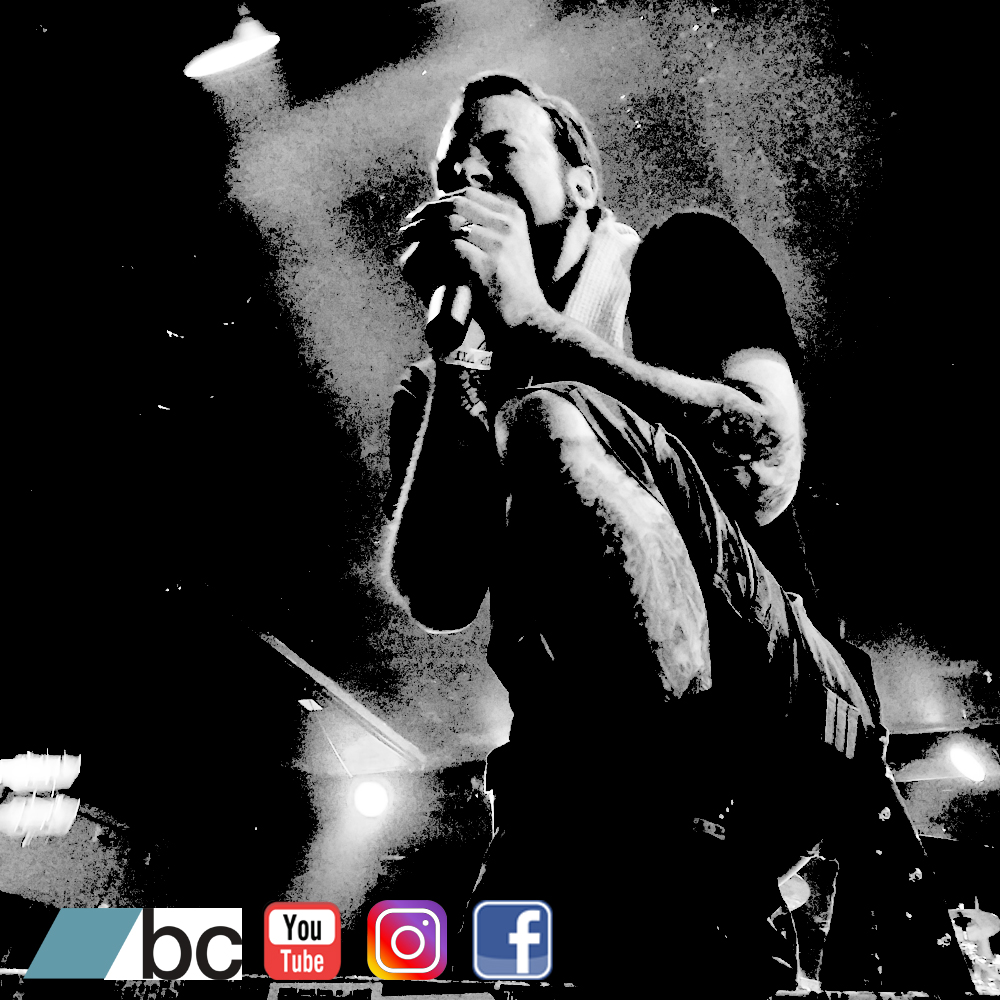
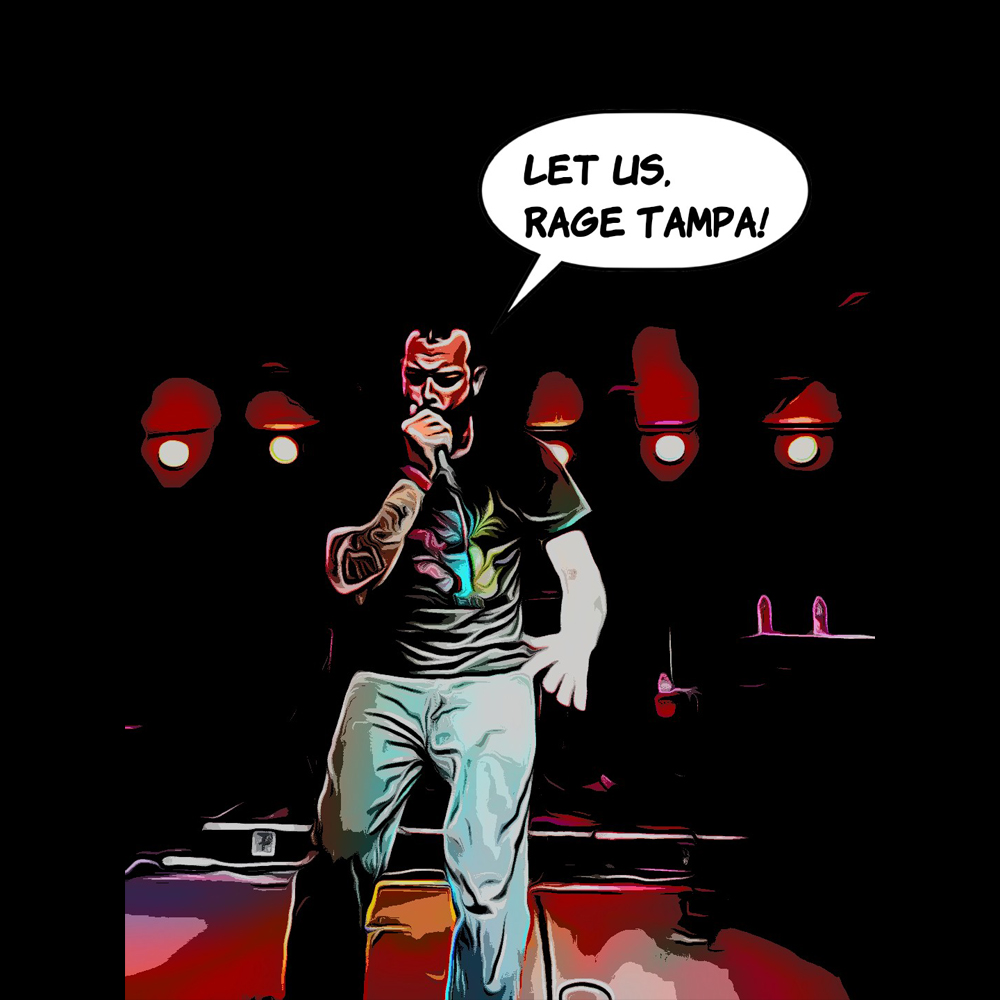
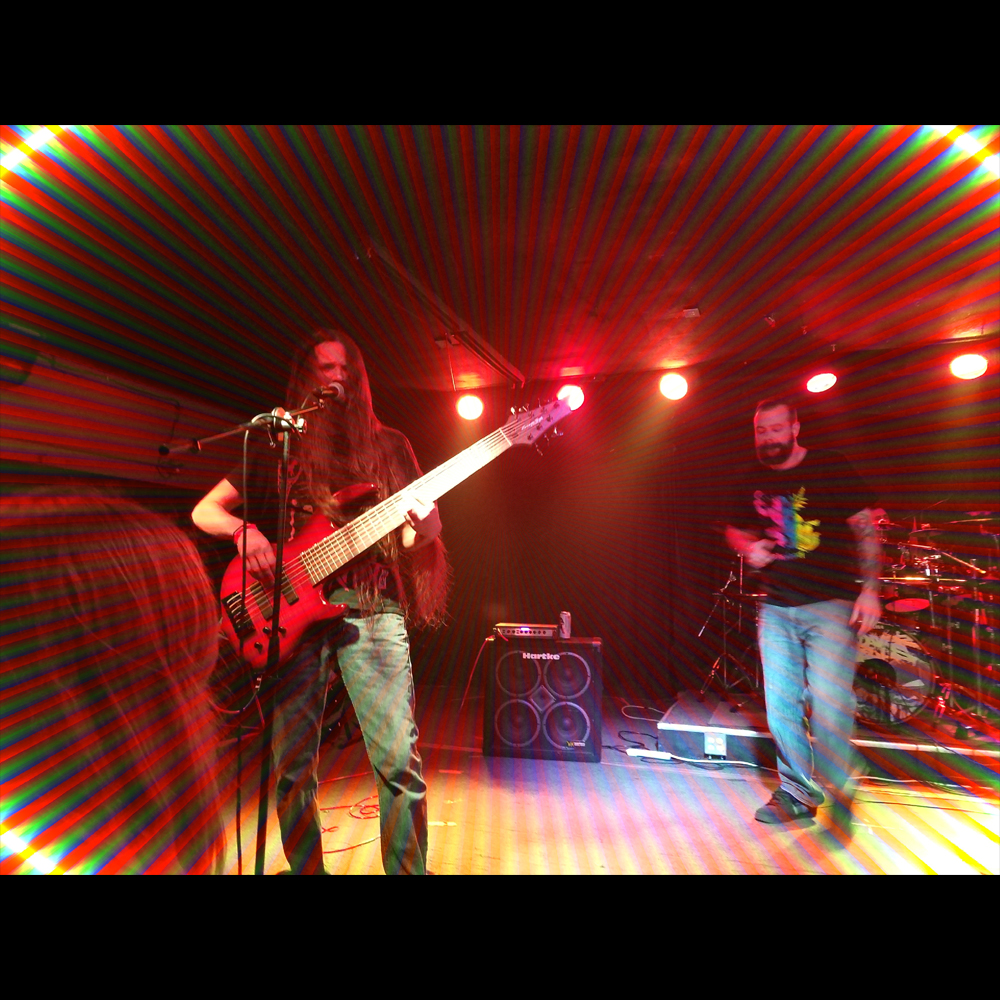
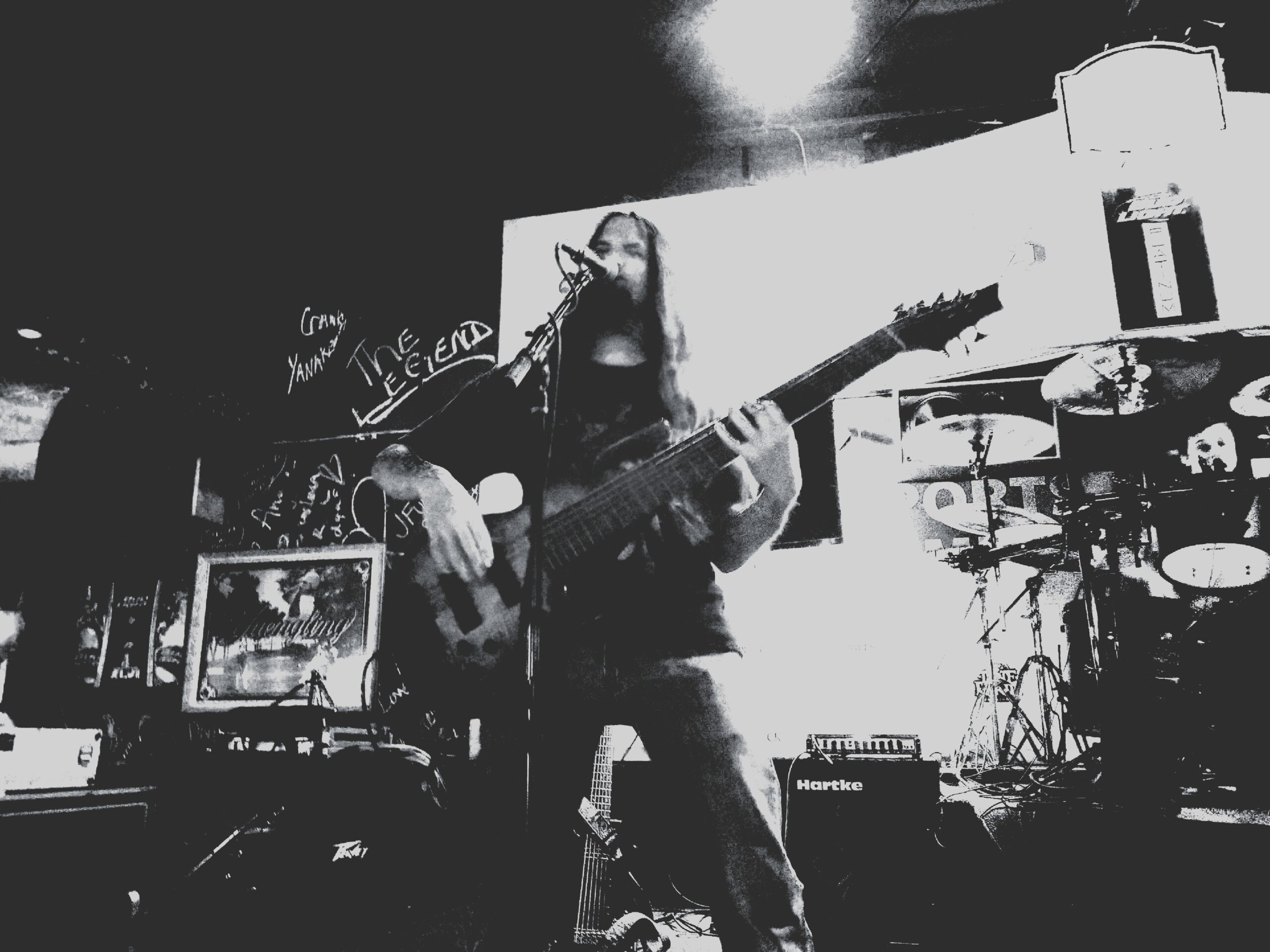
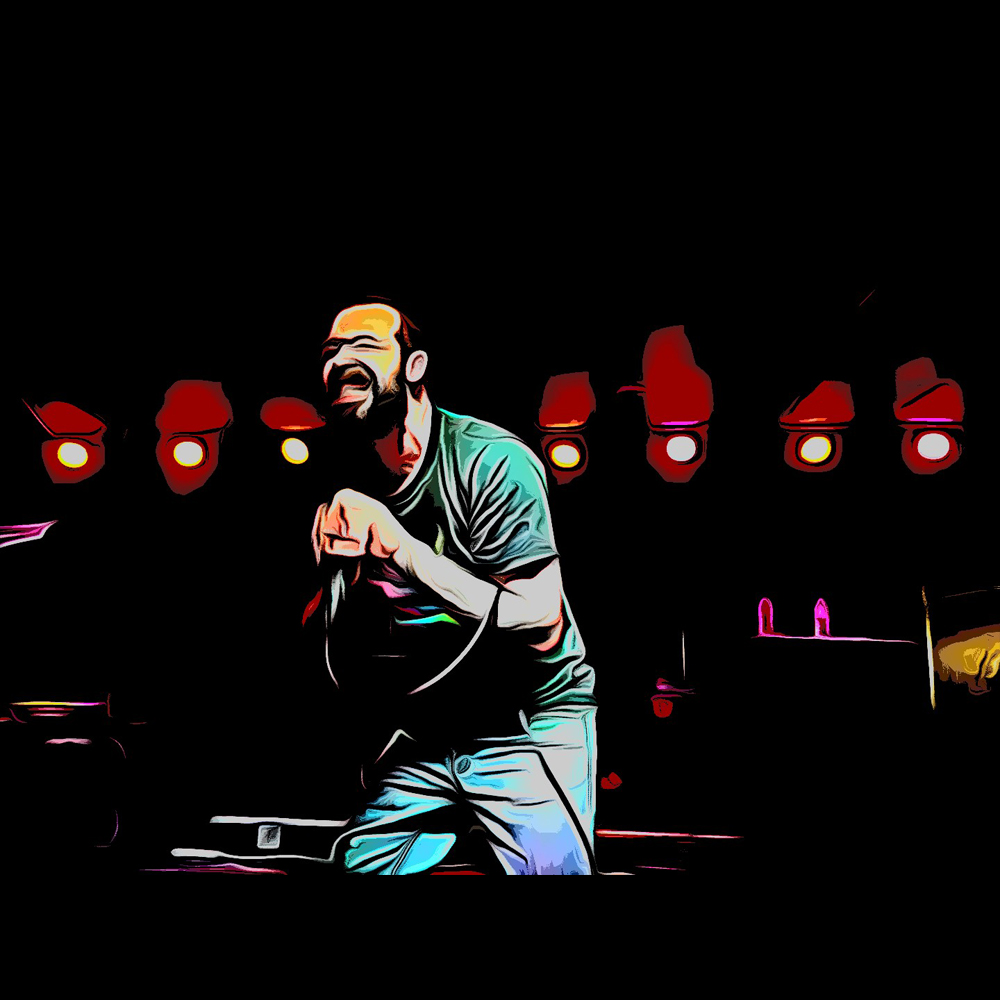
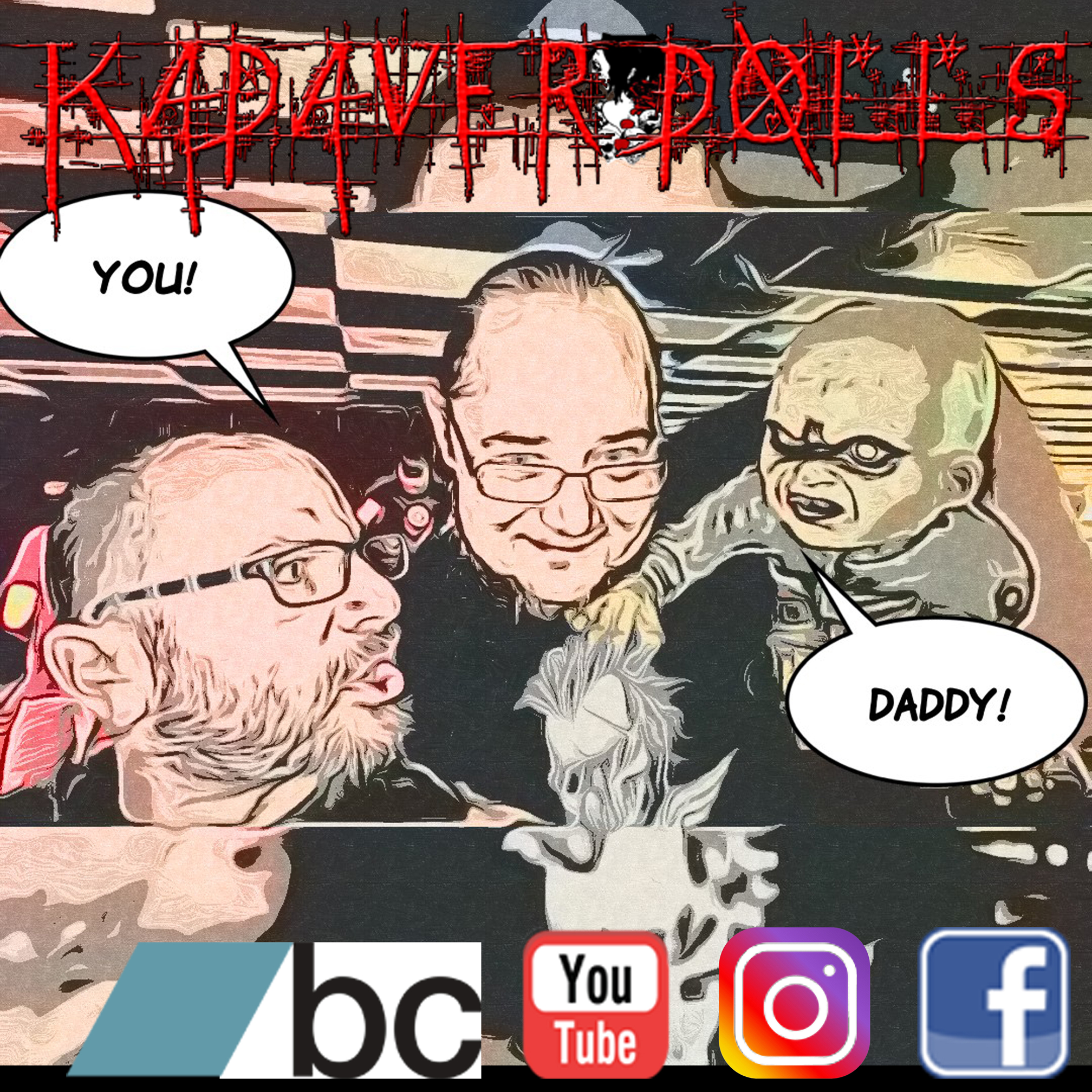
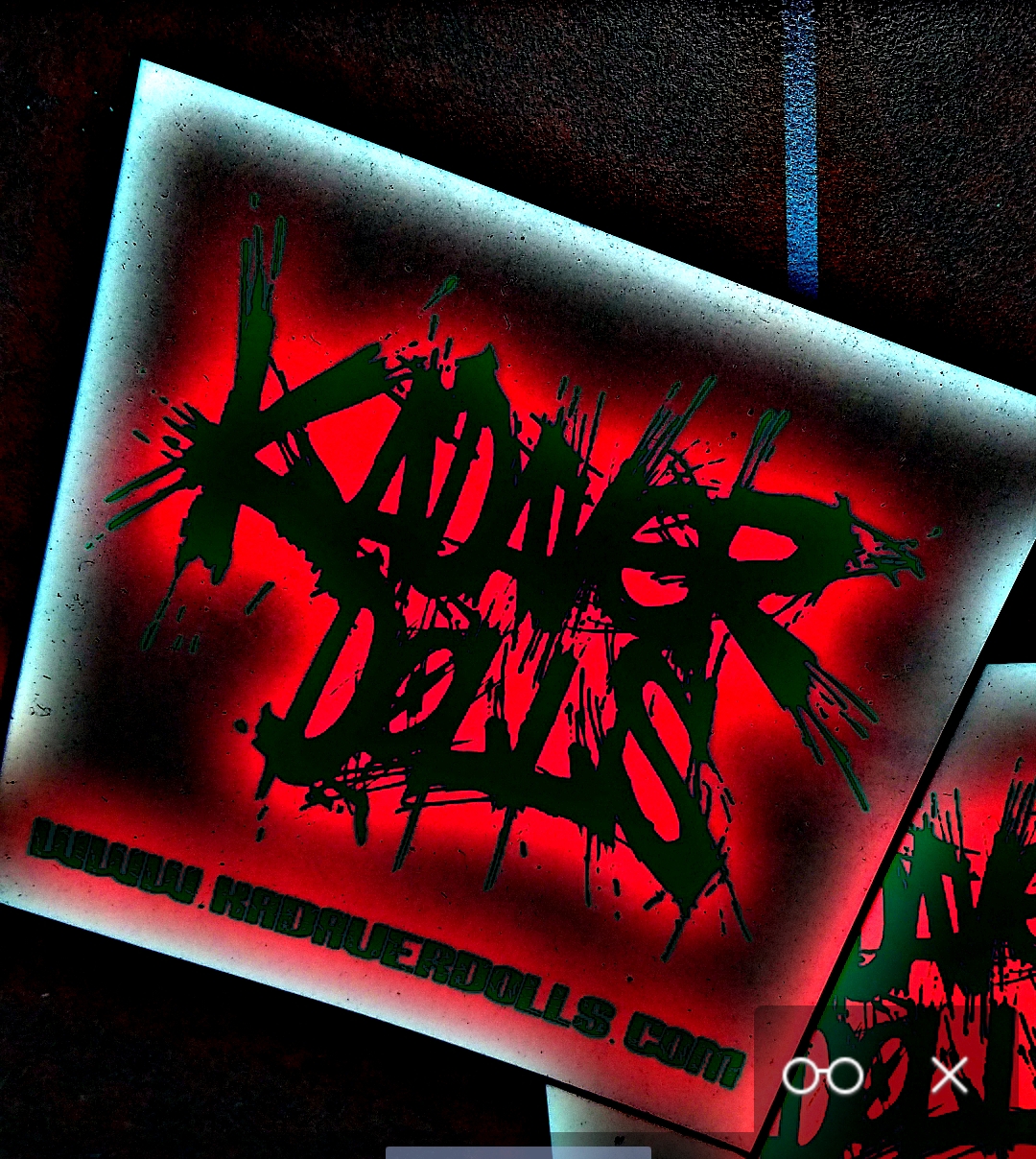
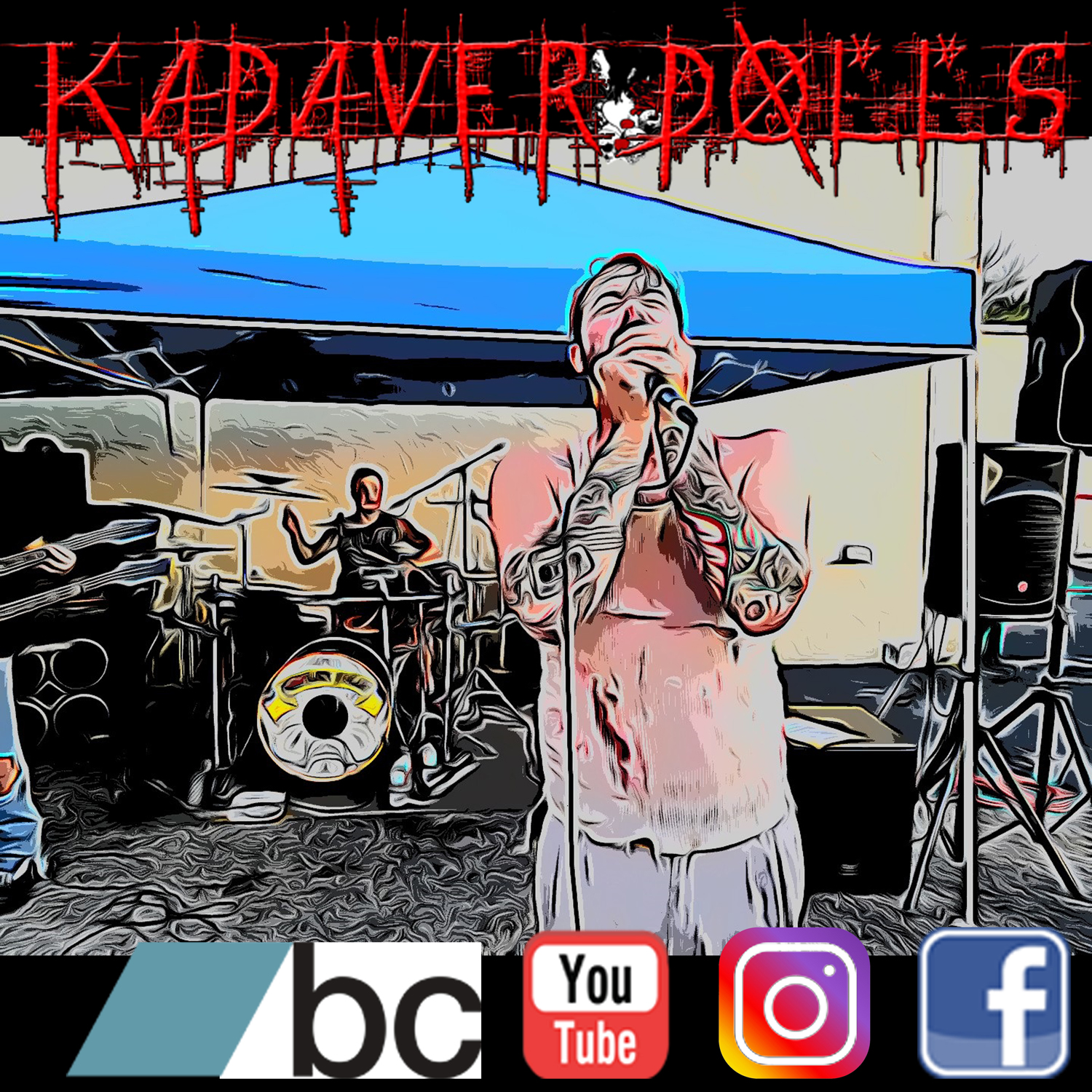
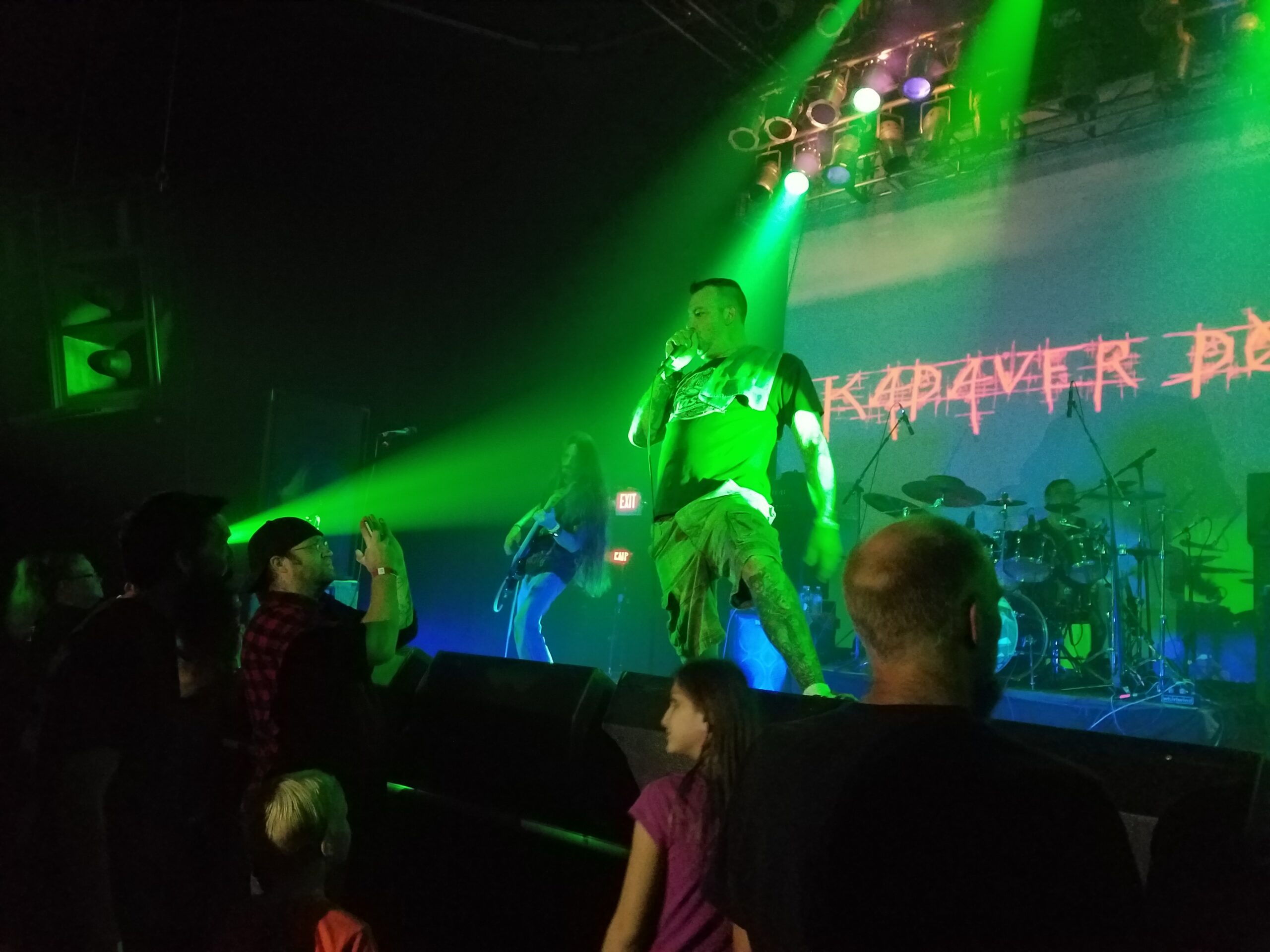
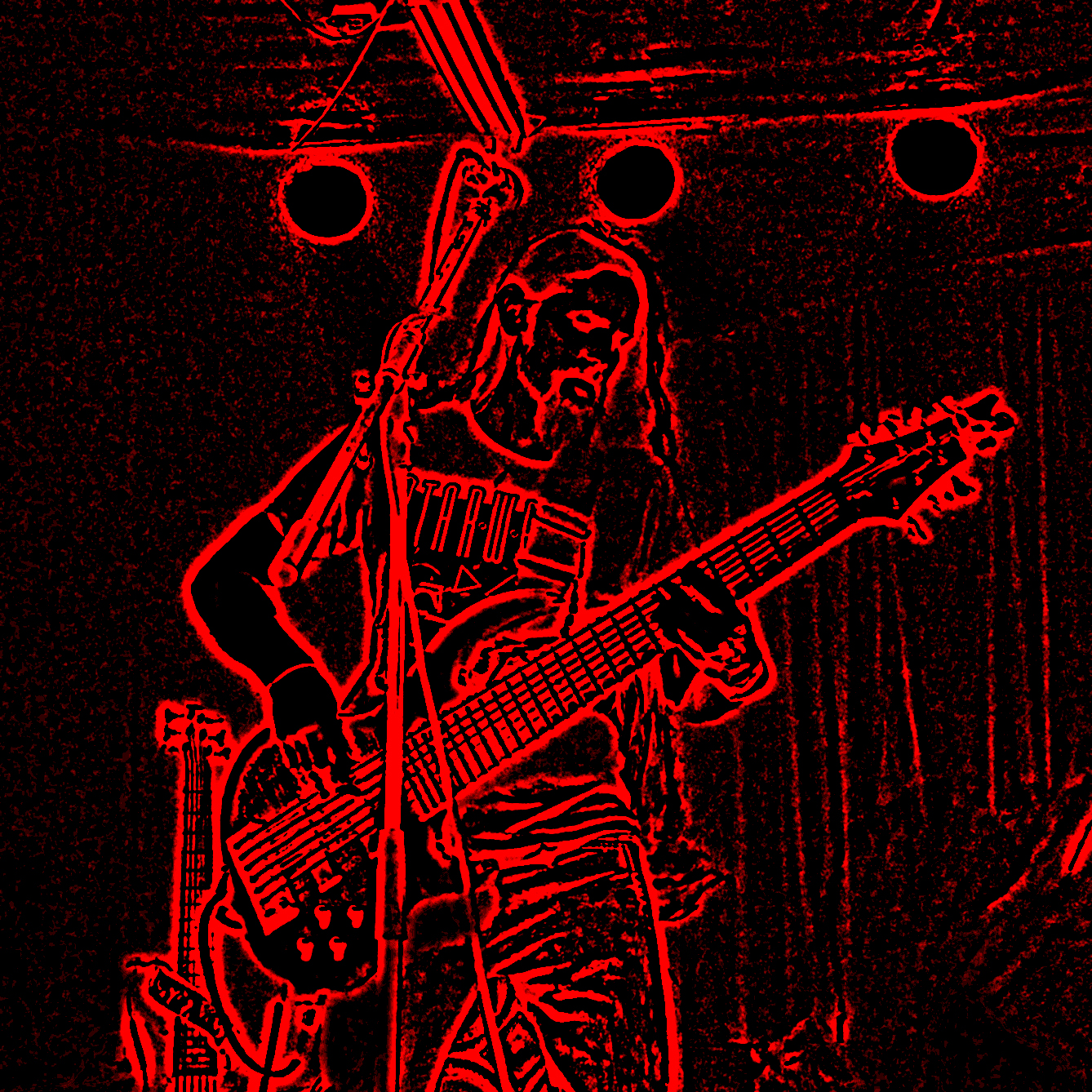
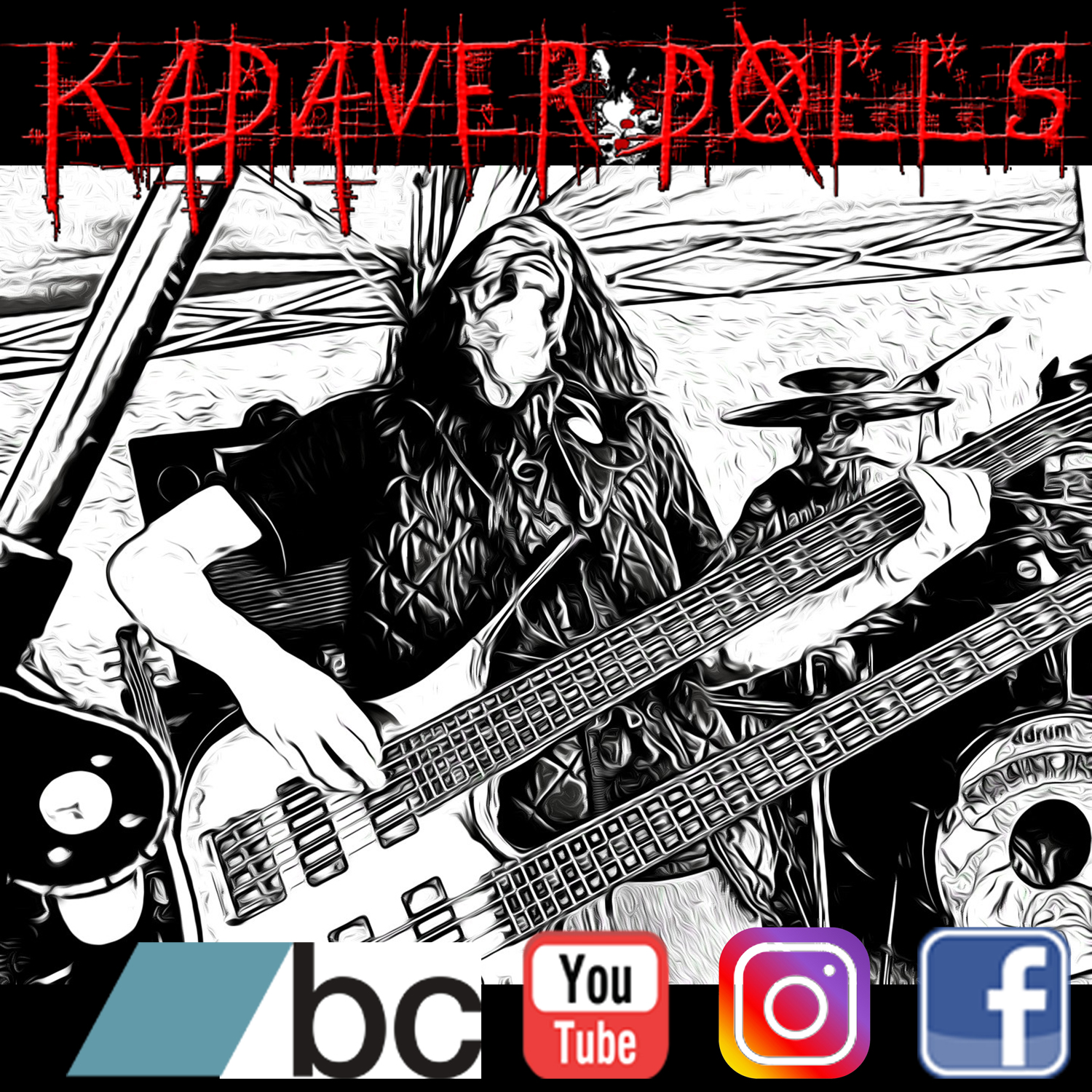
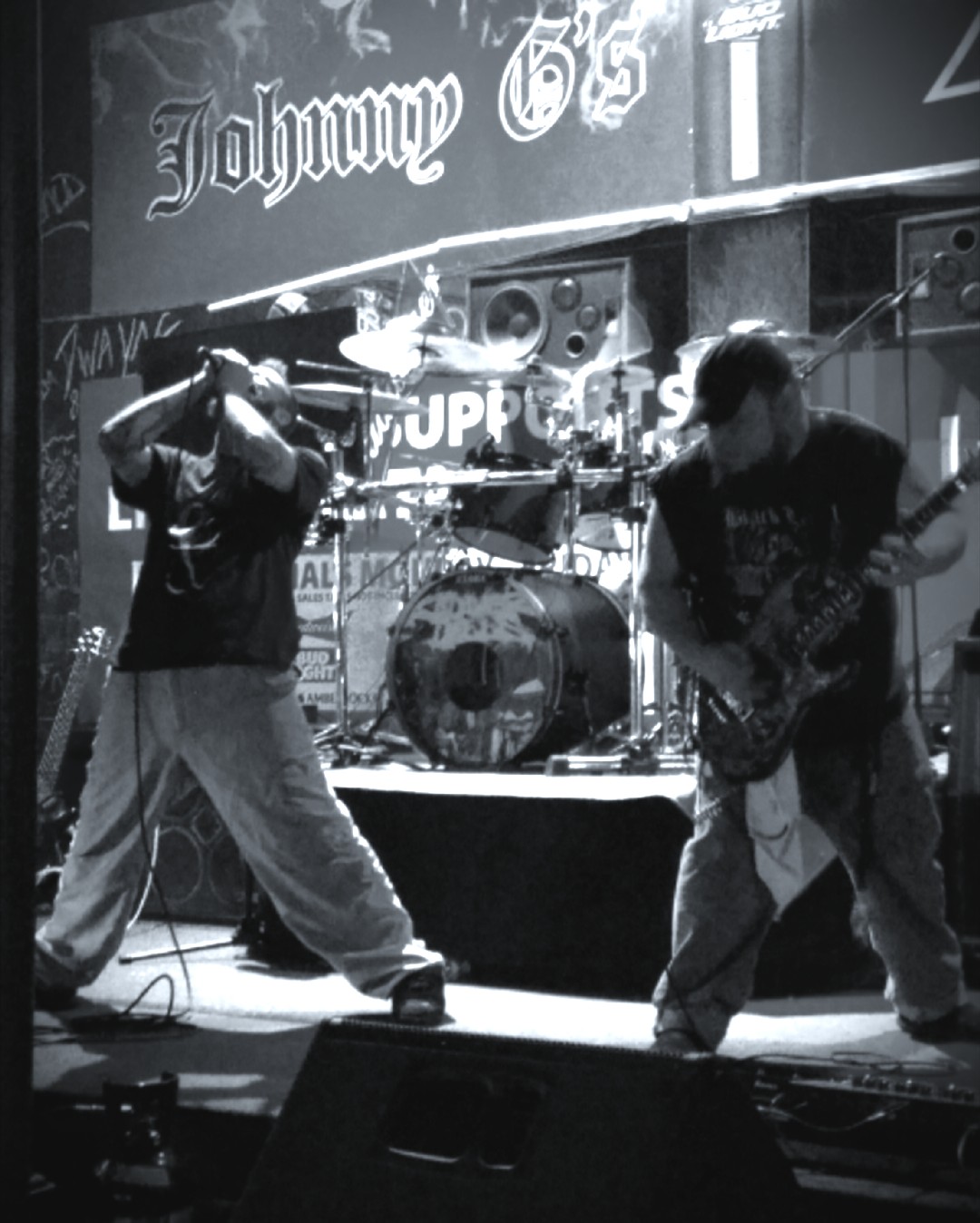
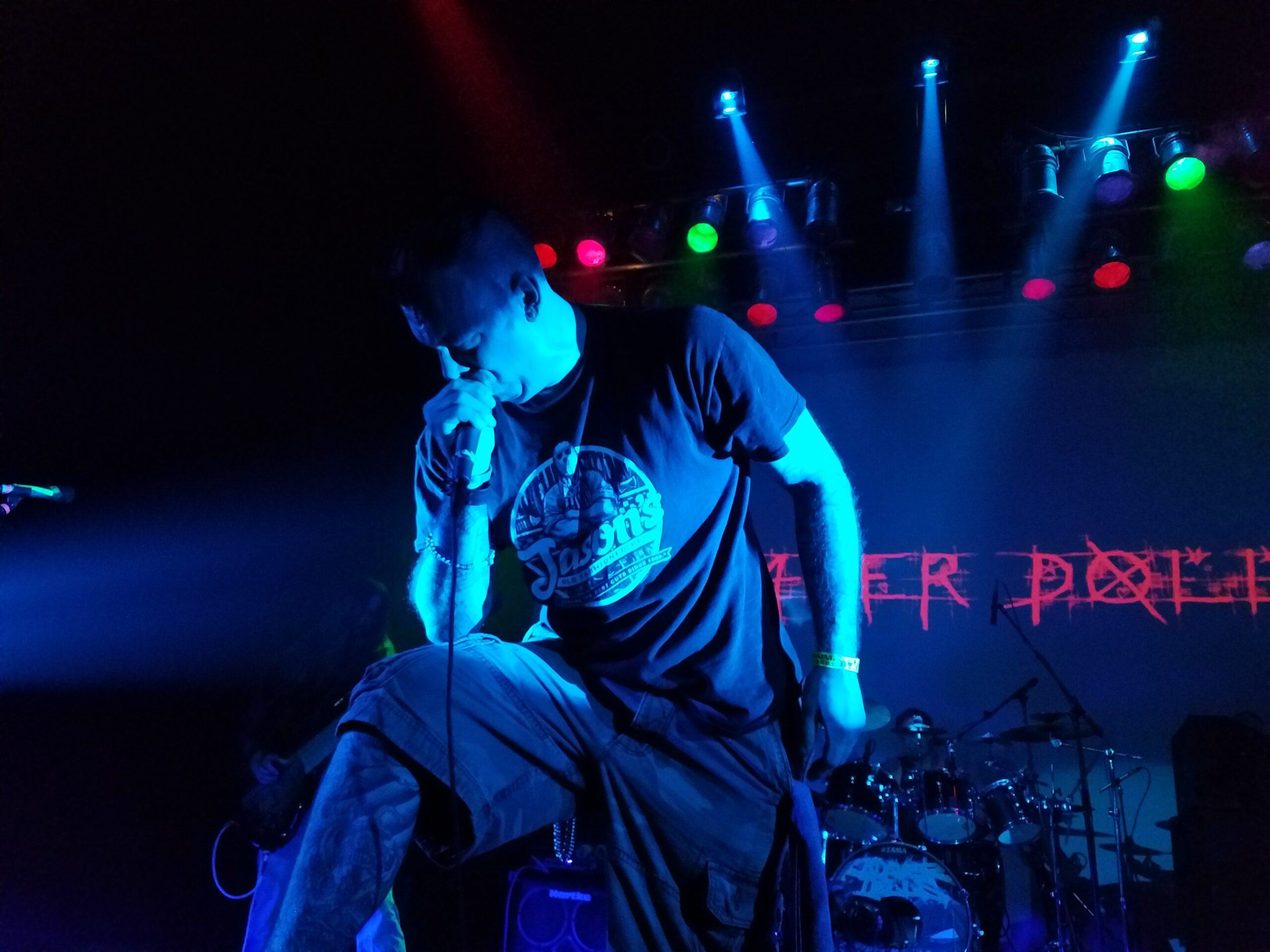
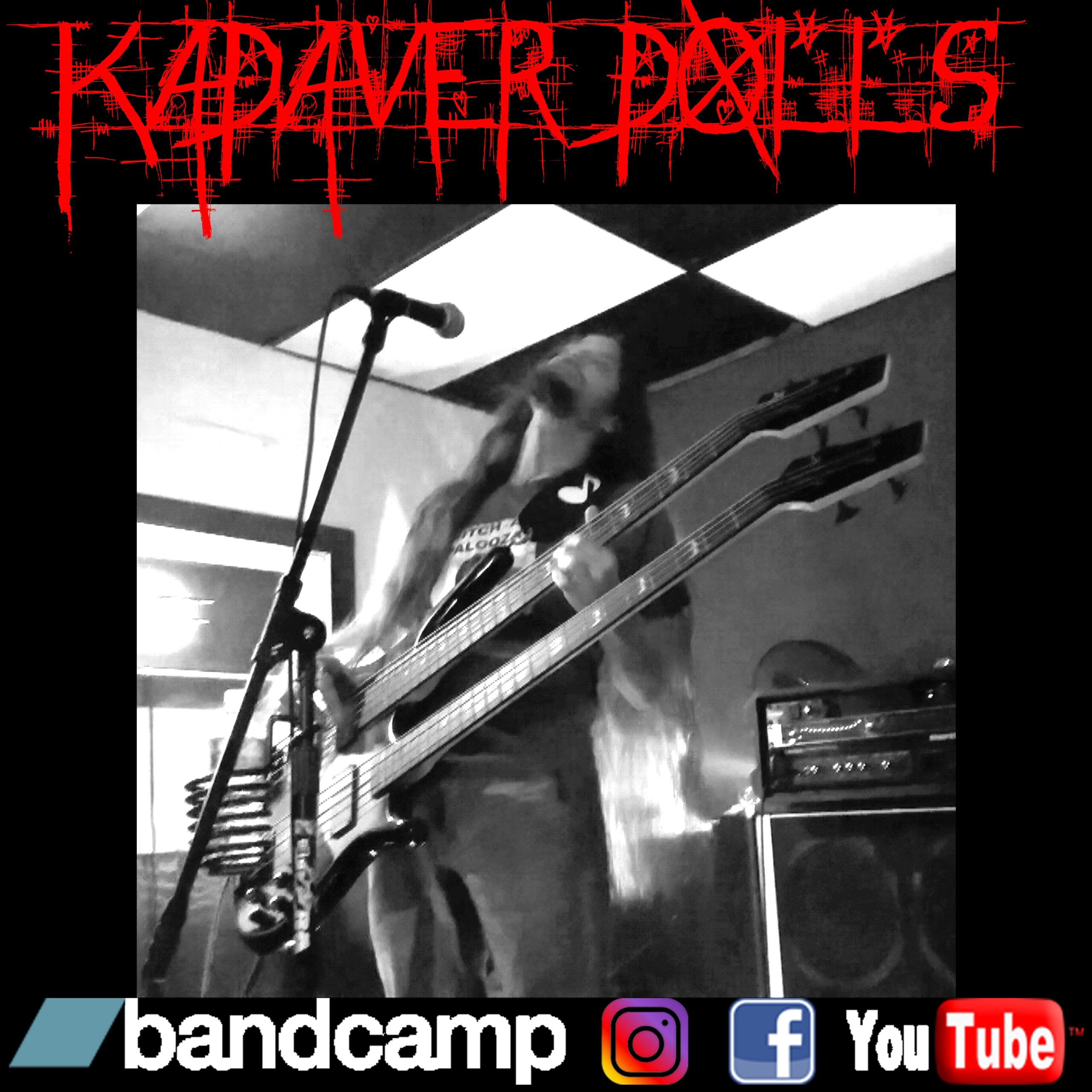
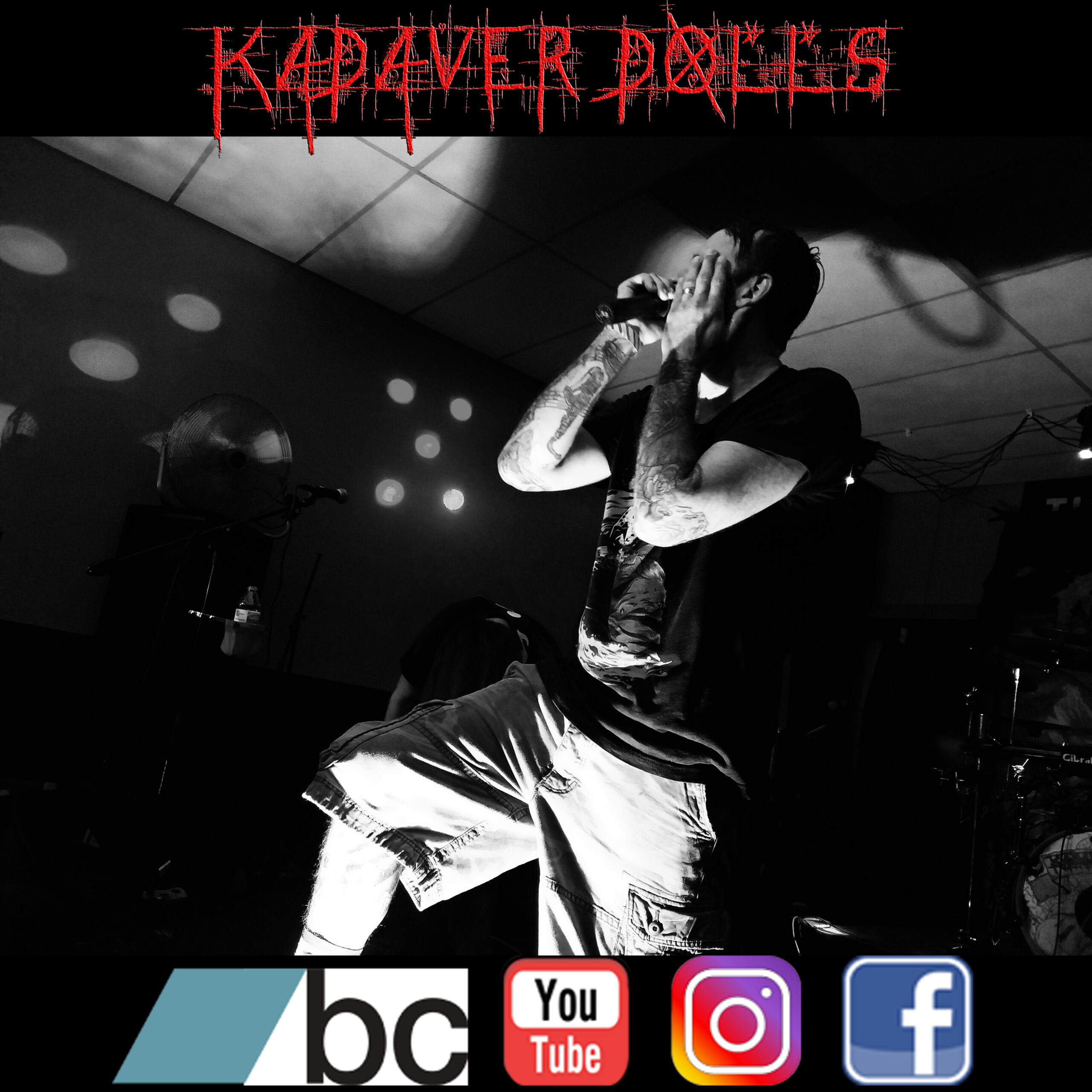
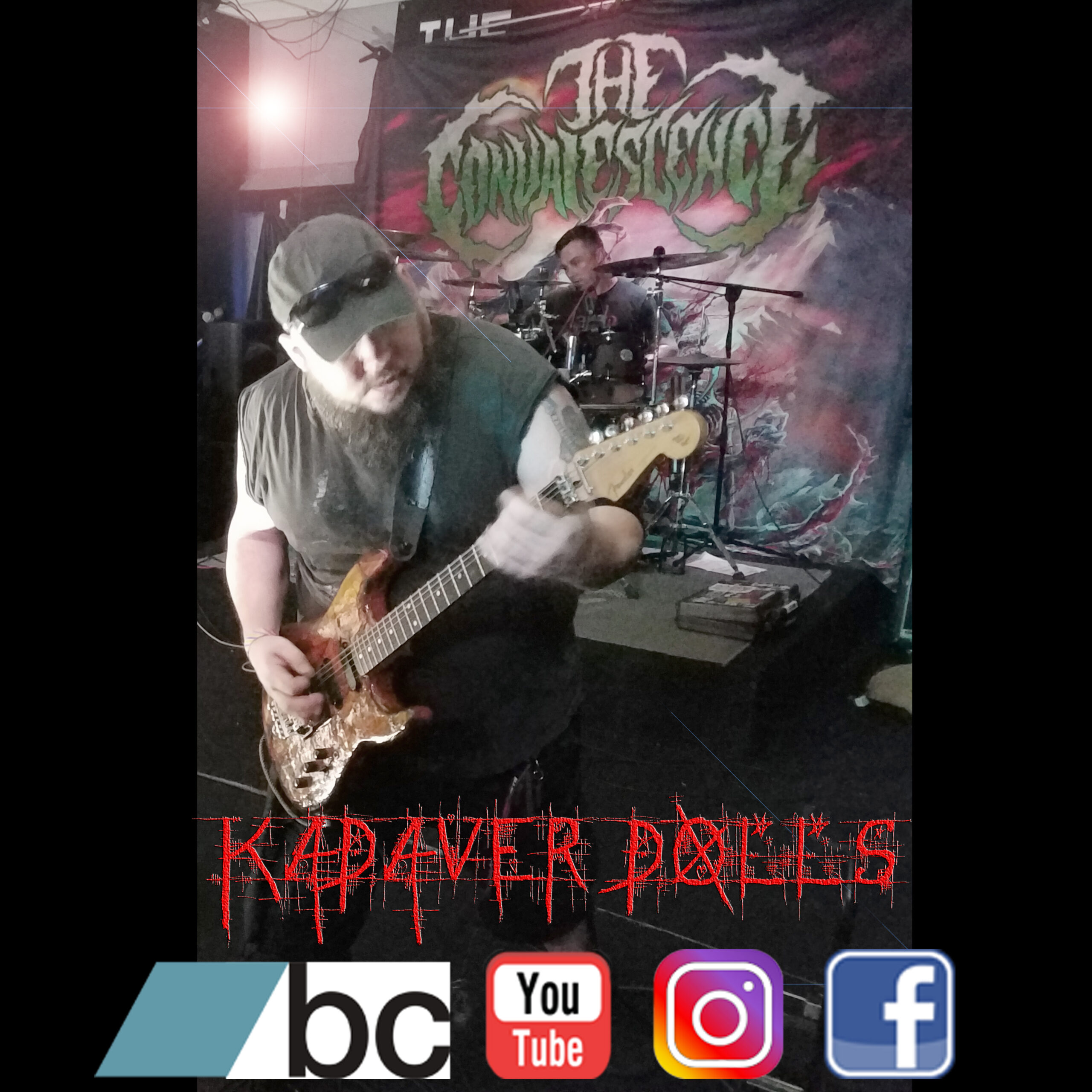
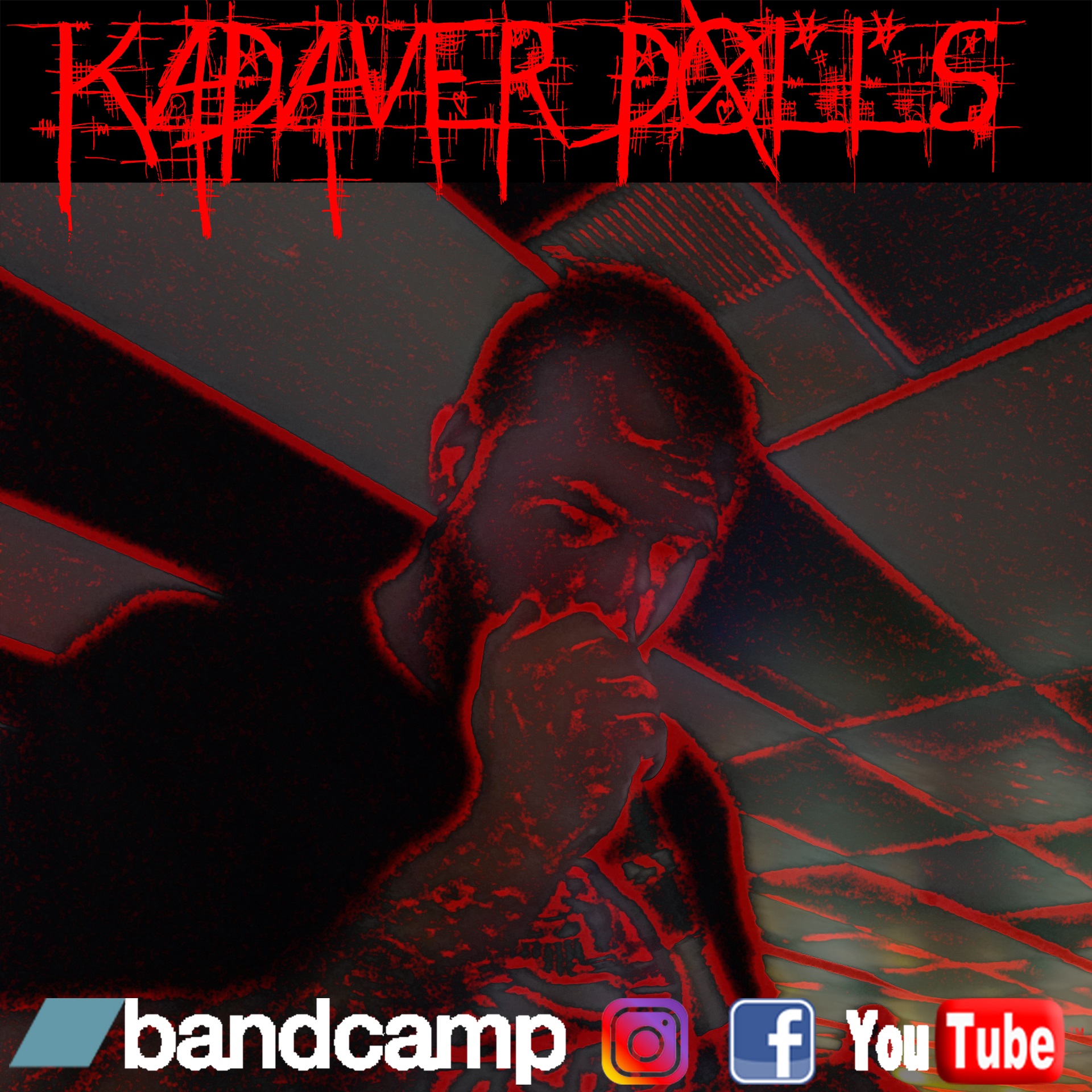
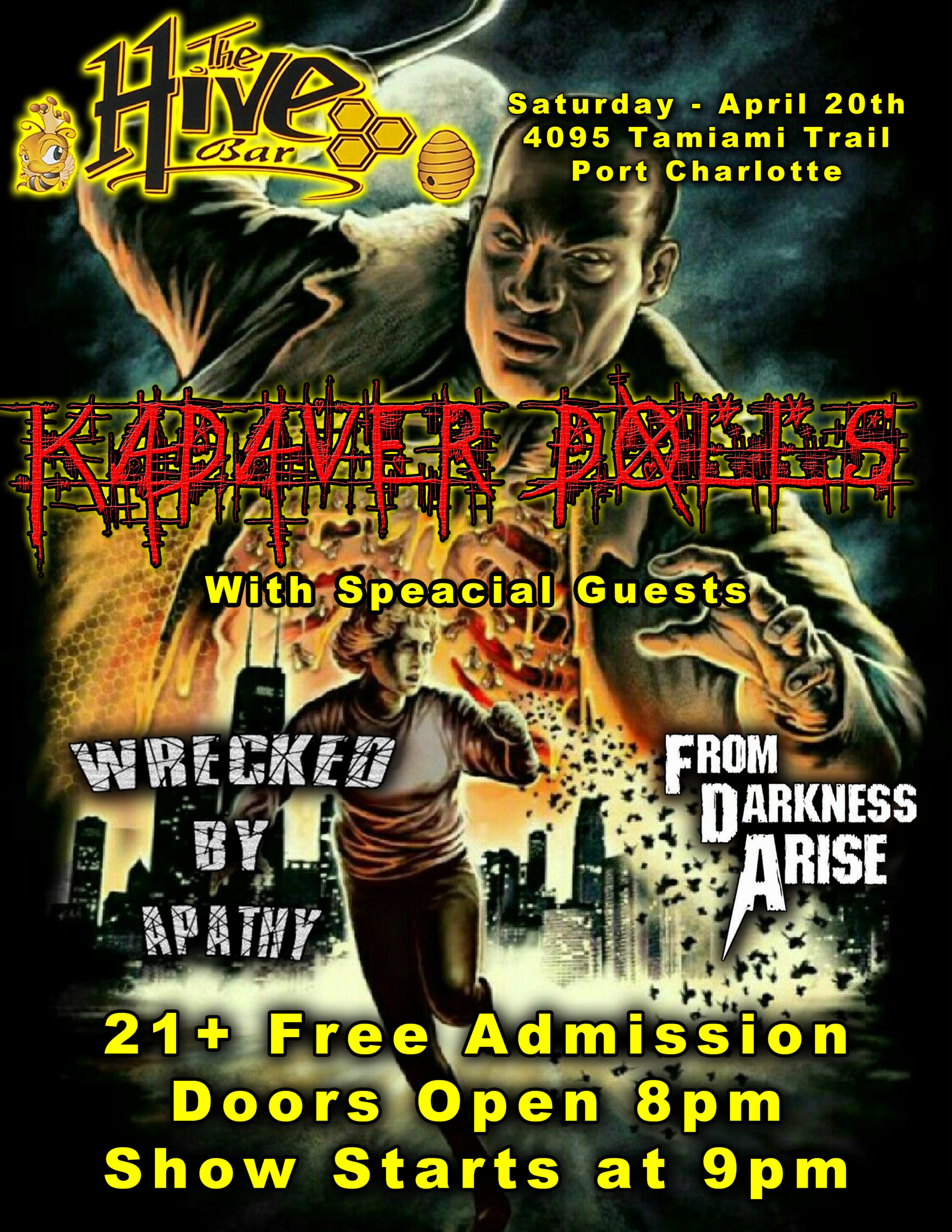
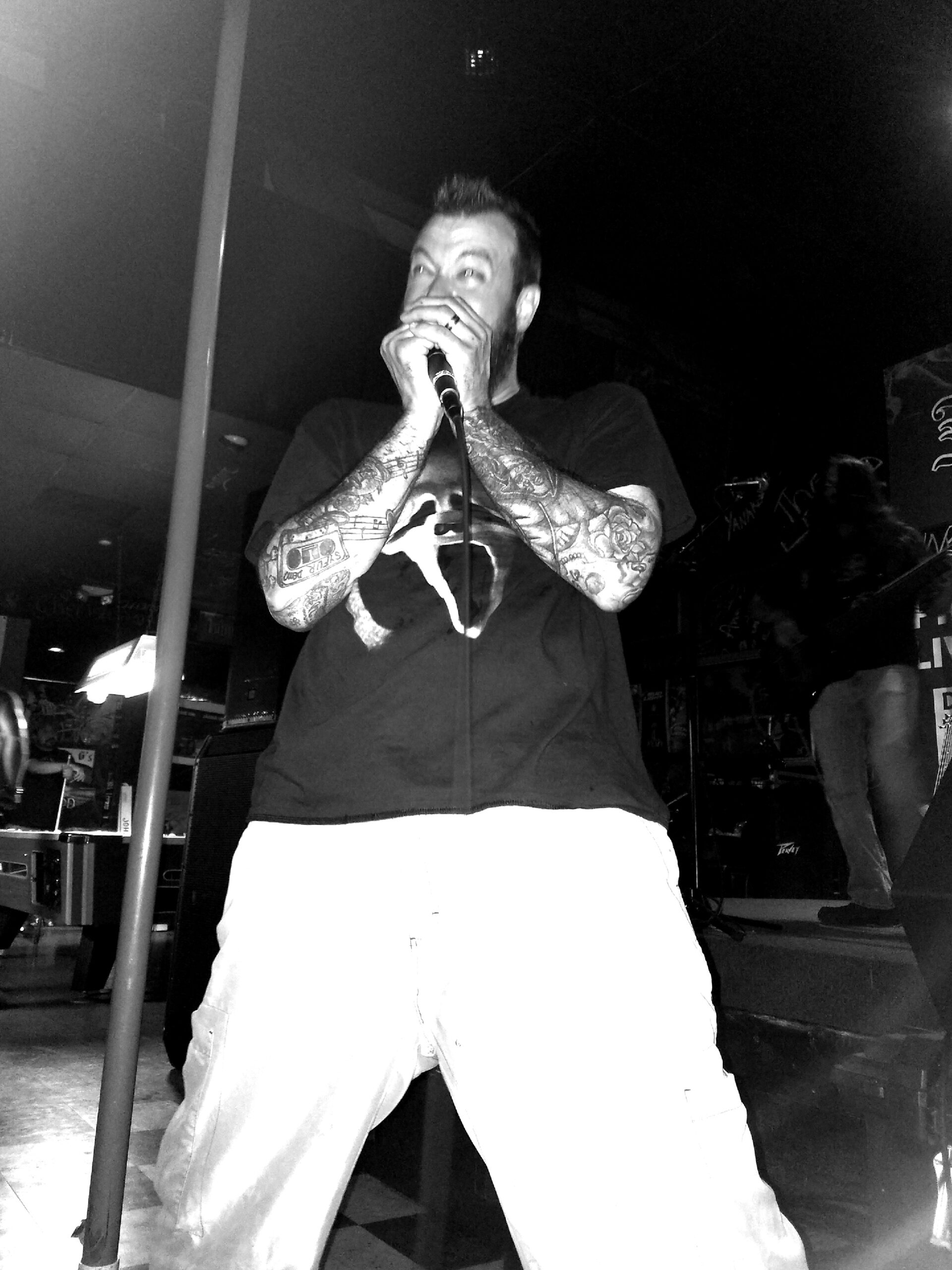
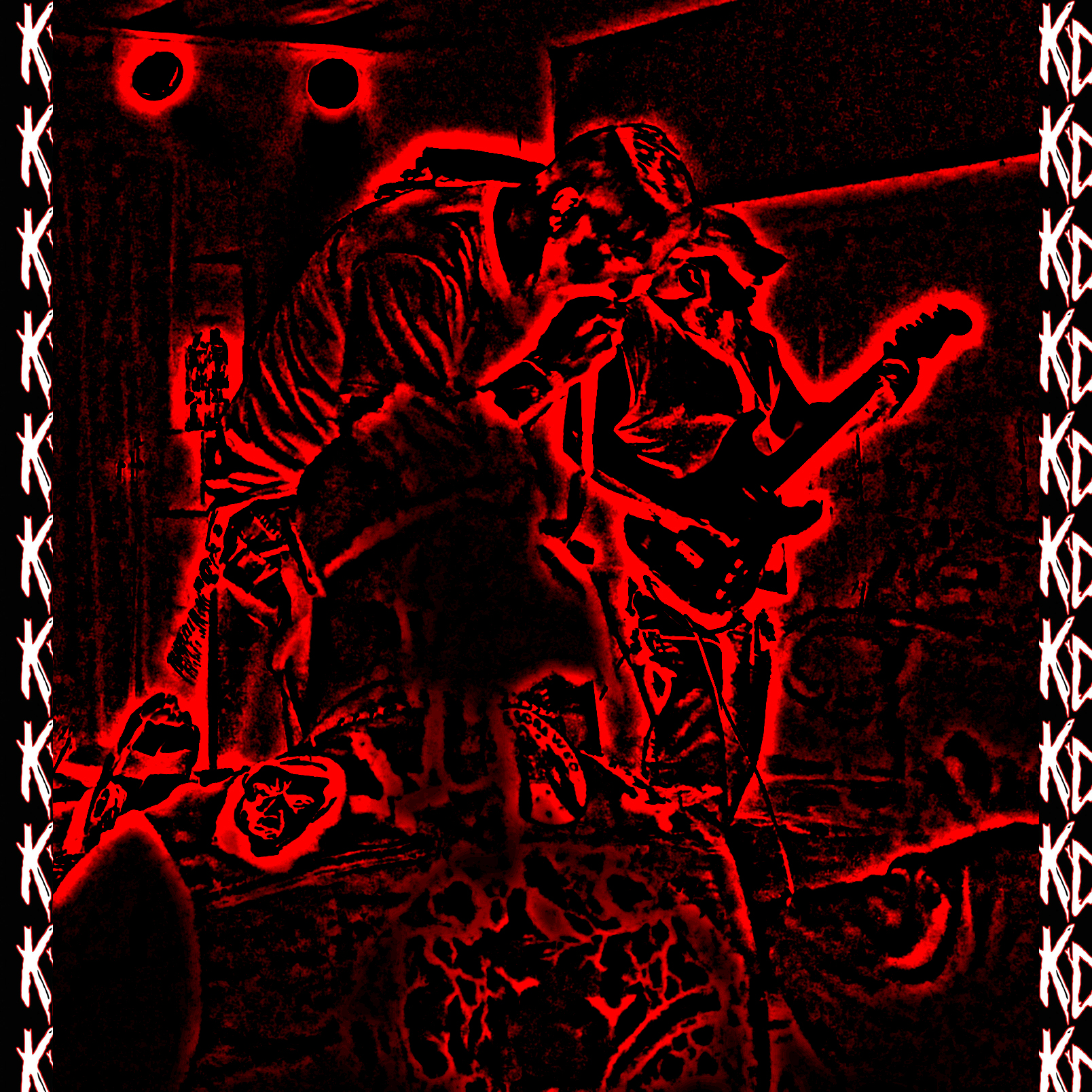
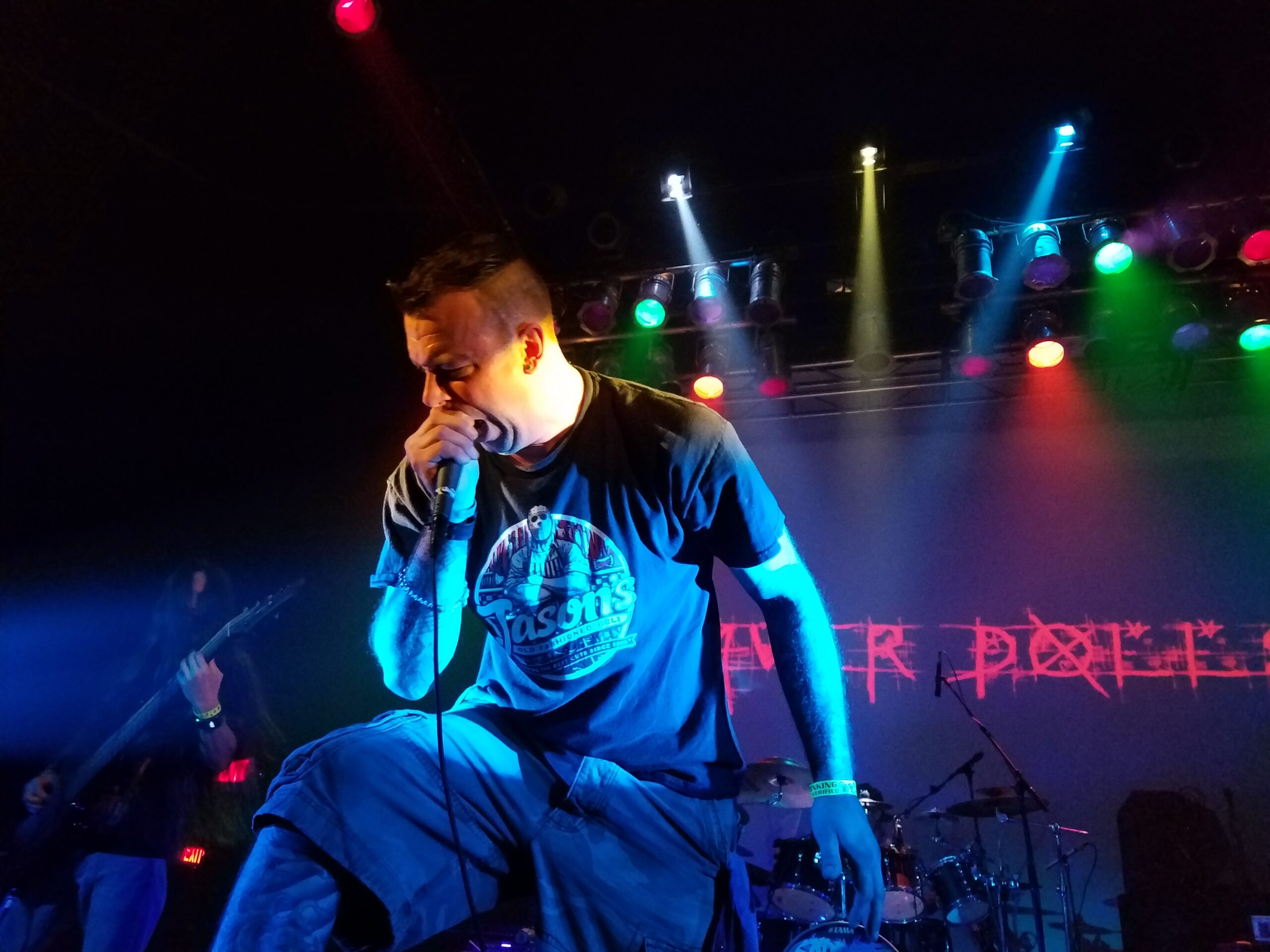
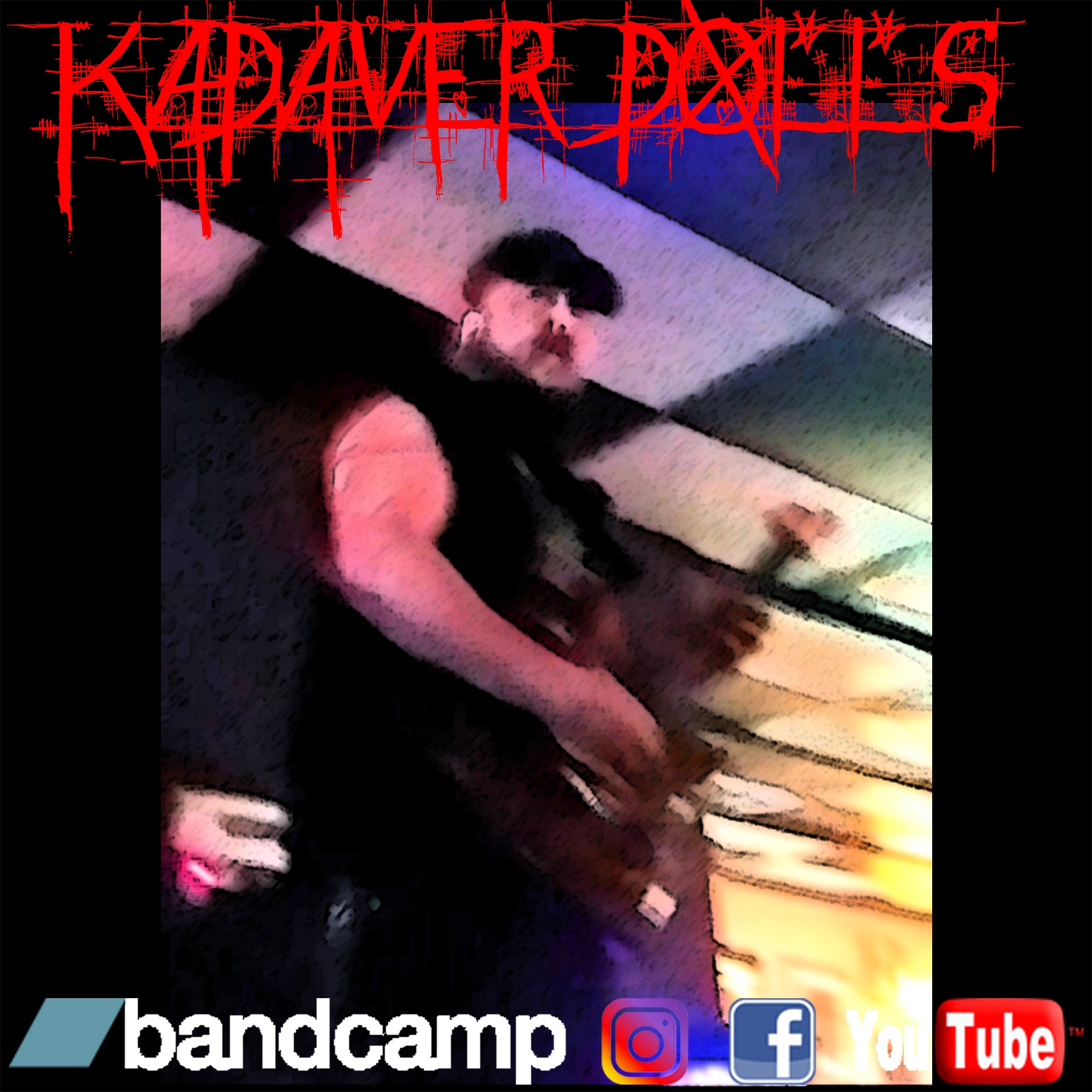
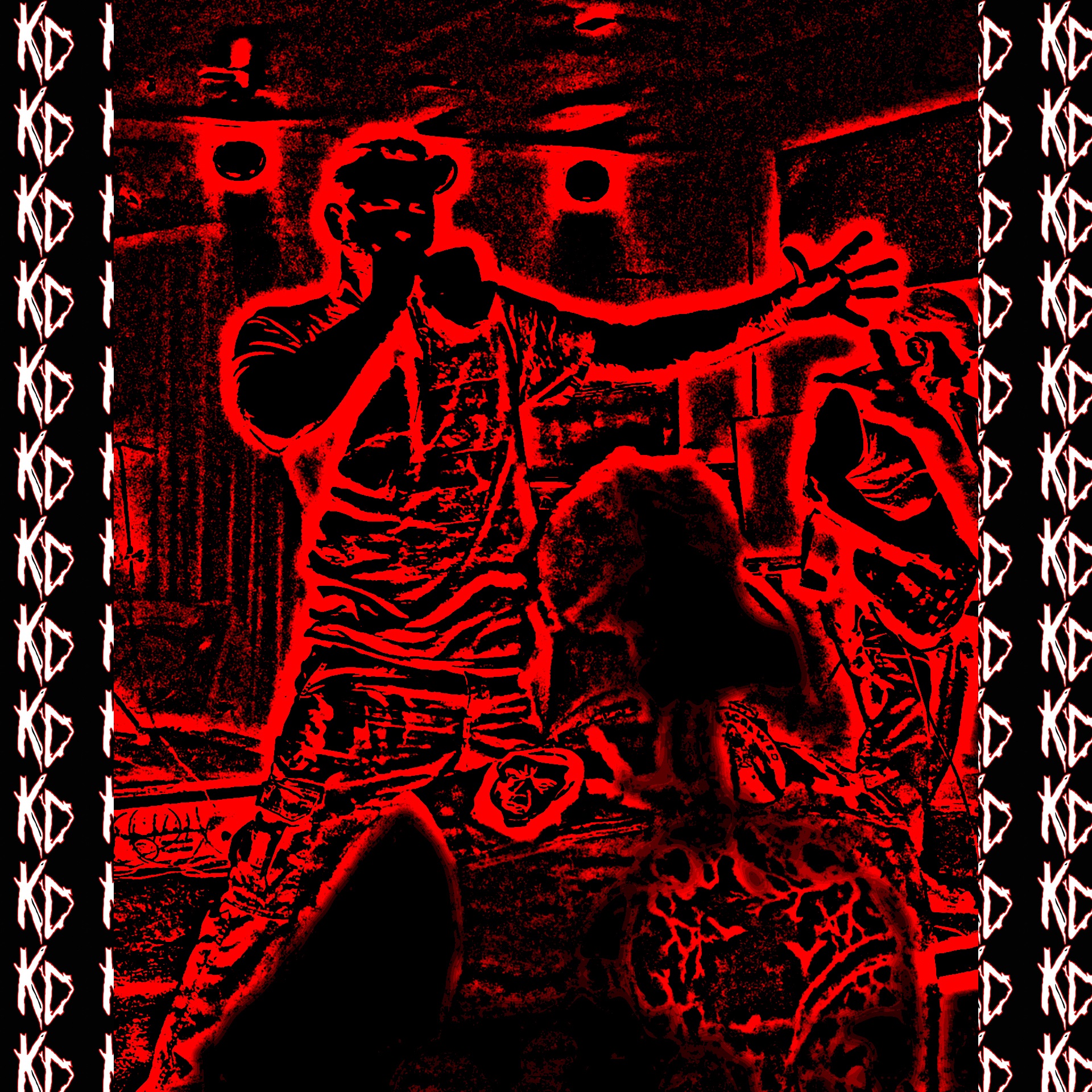
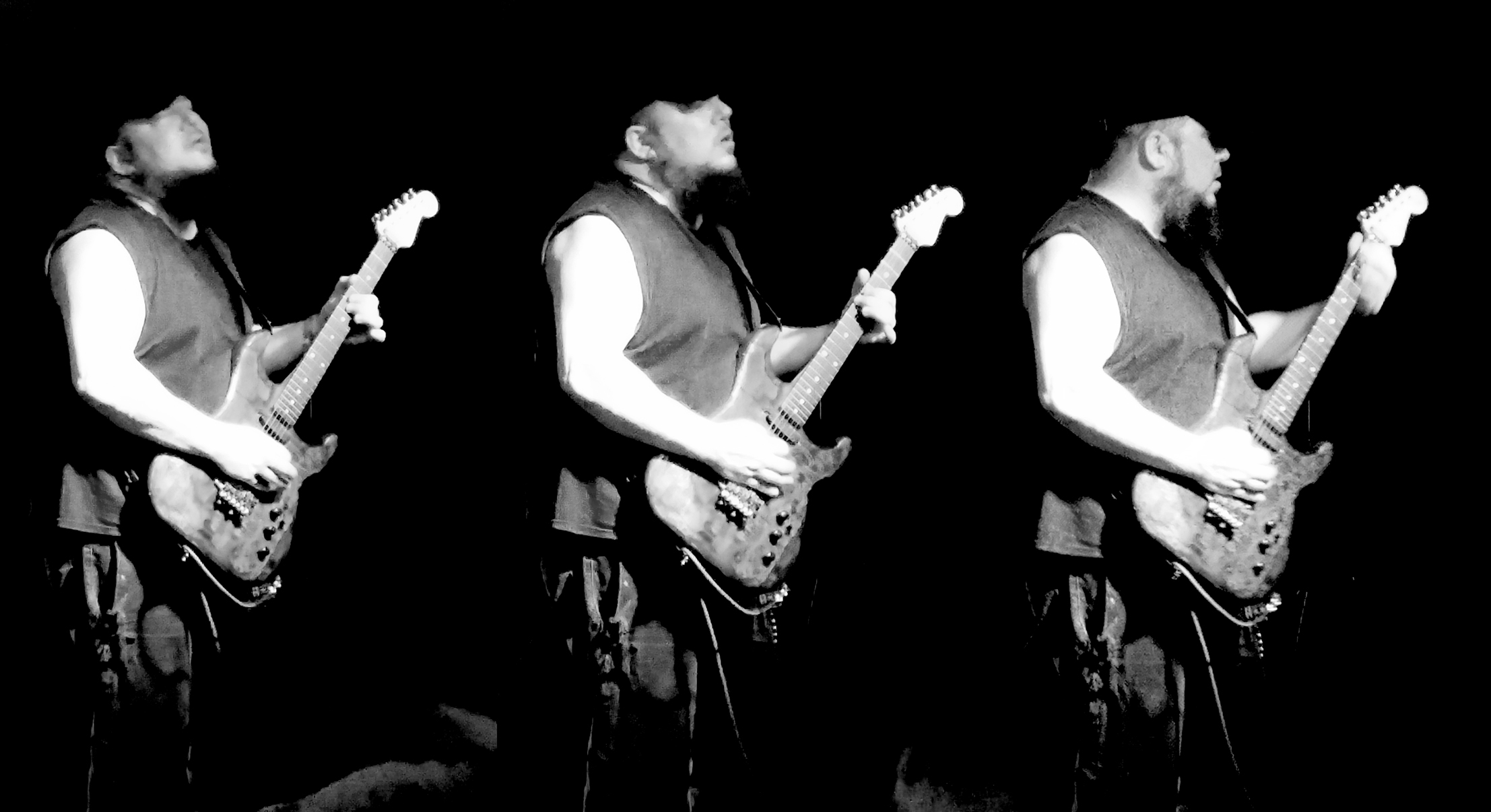
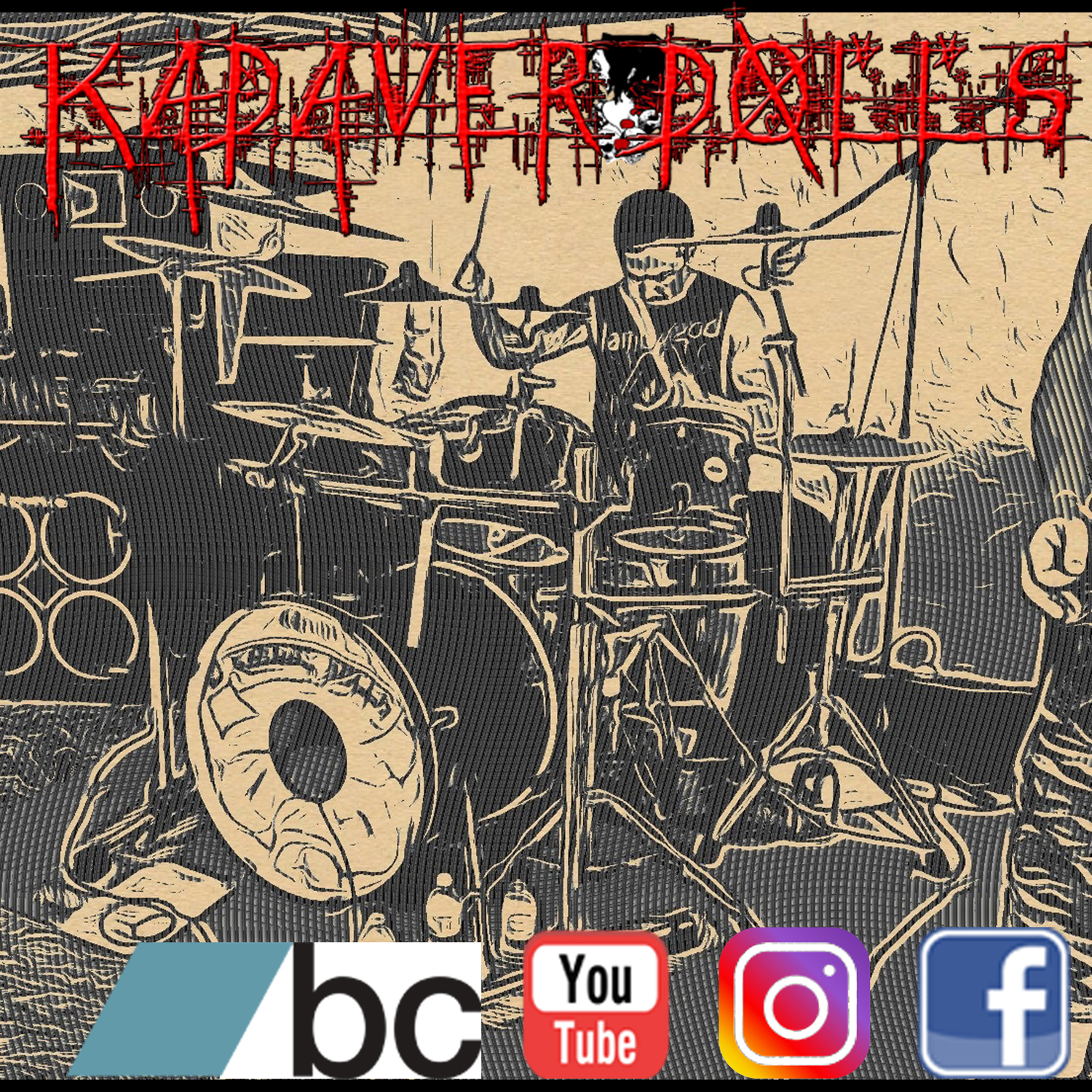
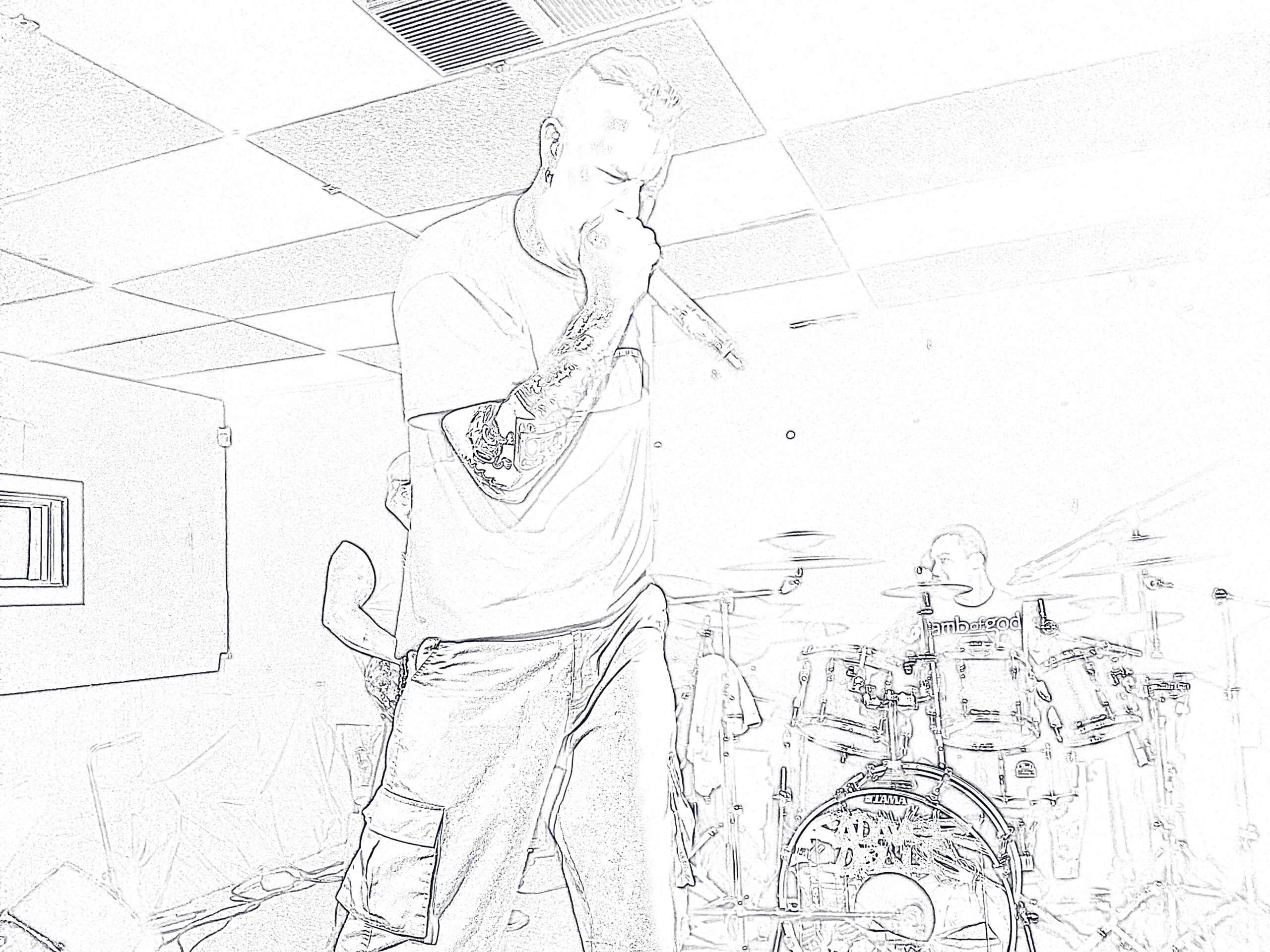
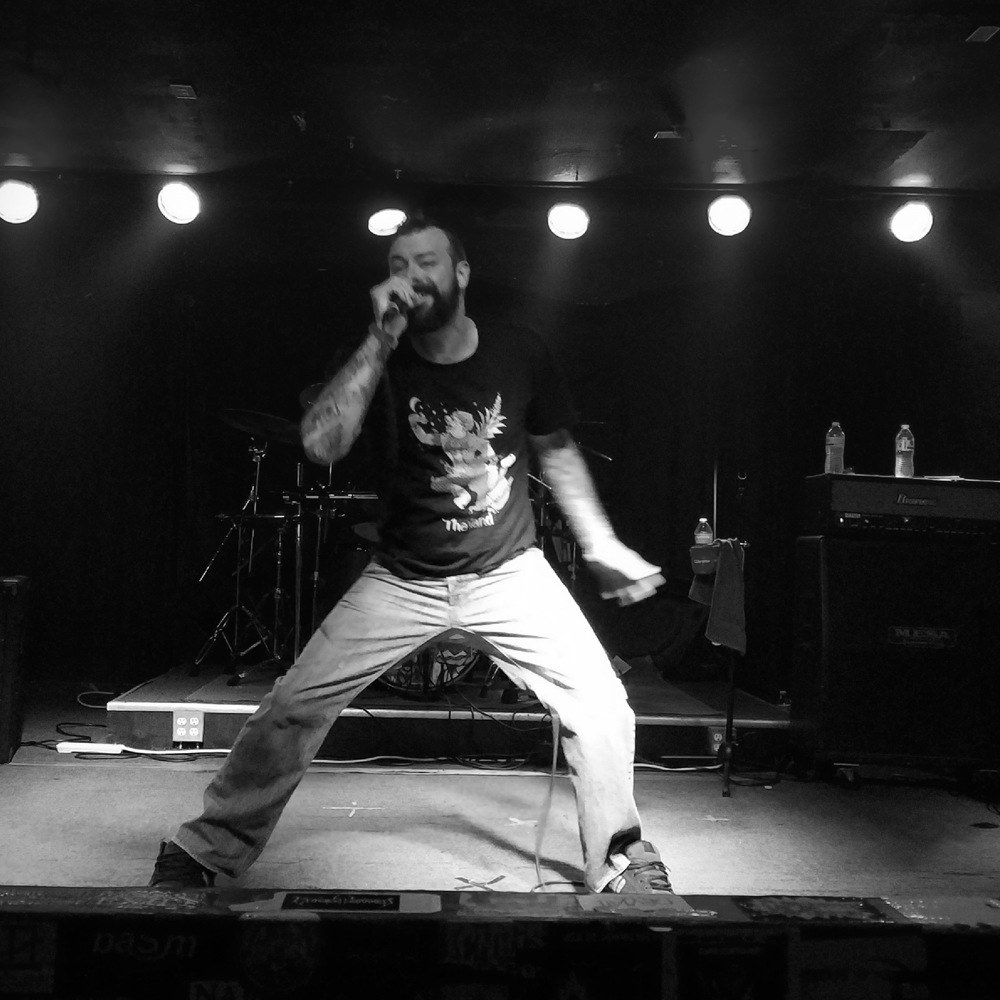
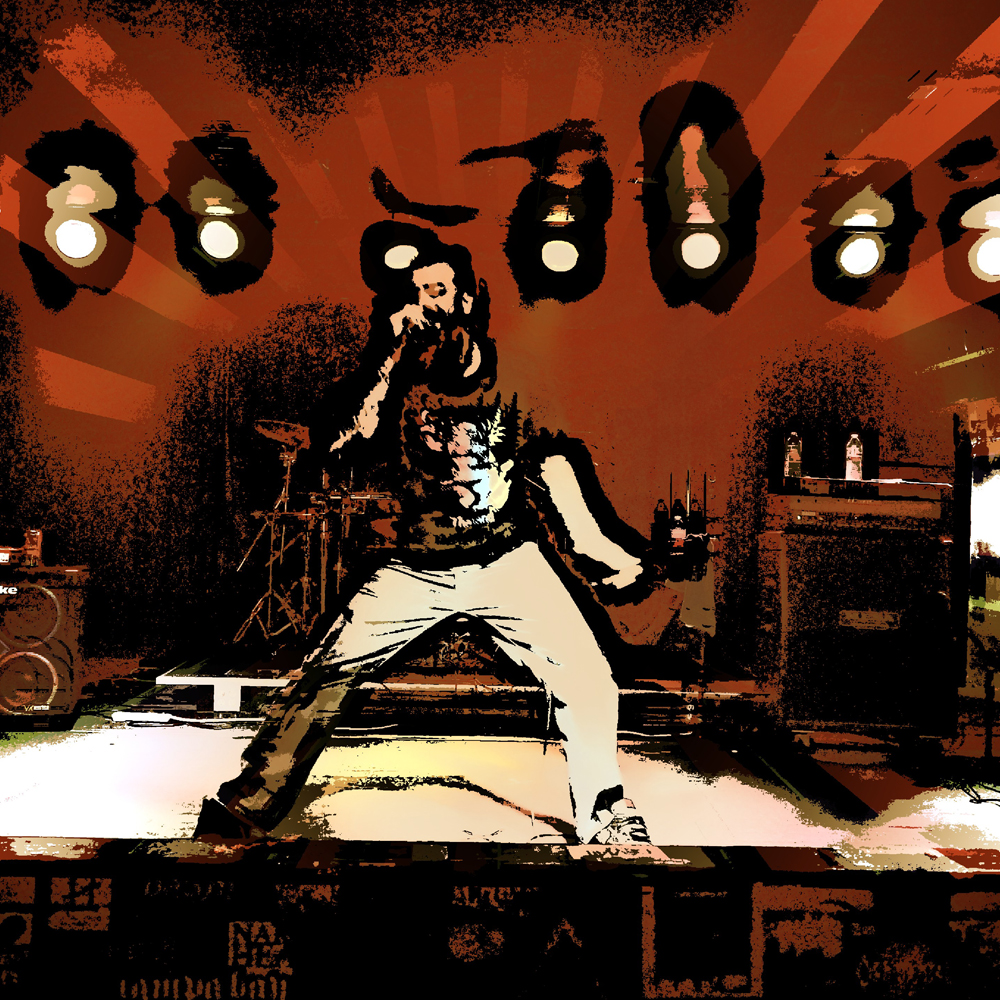
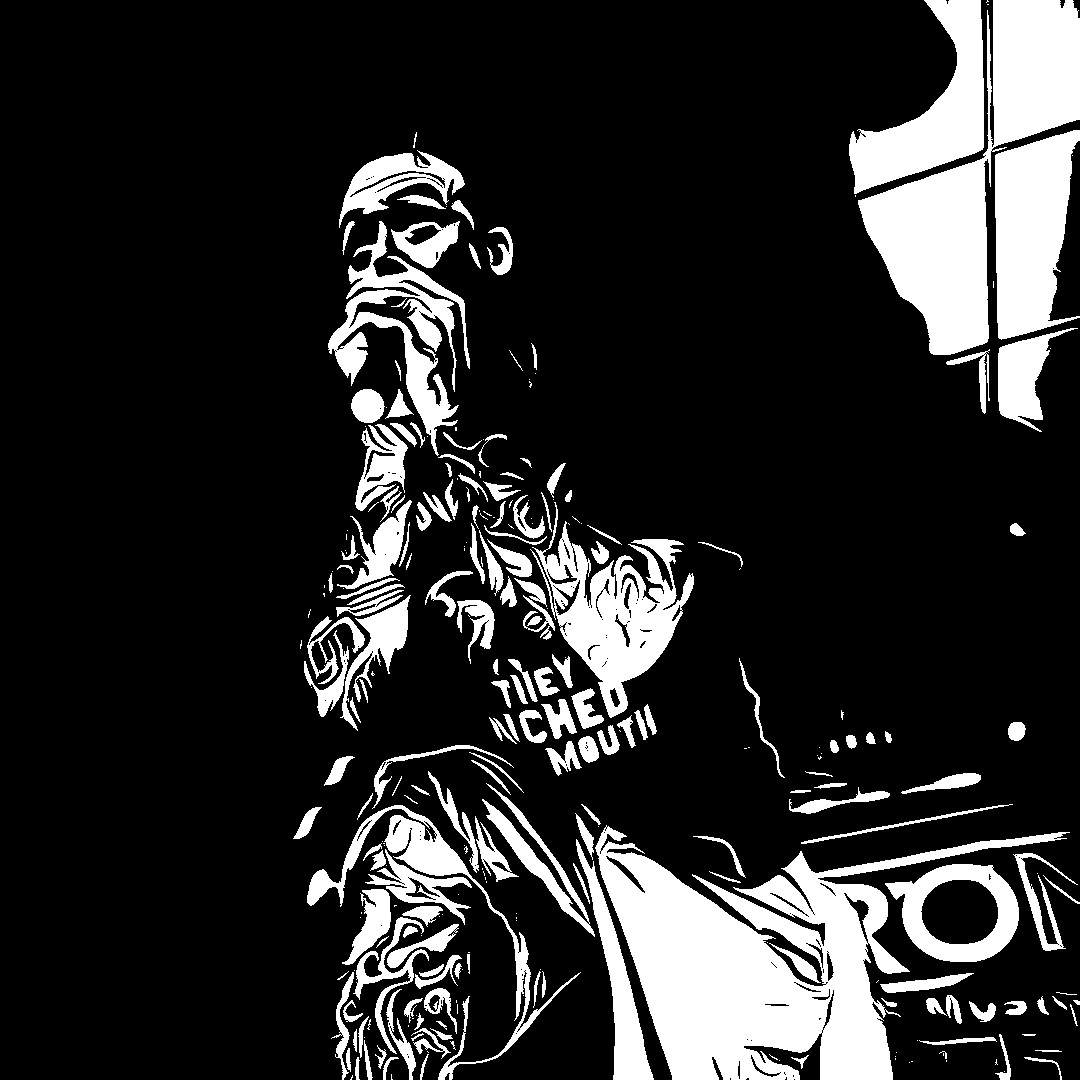
I was introduced to graphic design while attending film school in 2000–2001, where I spent a semester learning Adobe Photoshop and Illustrator. It wasn’t particularly extensive training, but it was enough to get me started down another creative rabbit hole that I’ve been exploring, on and off, for more than 25 years.
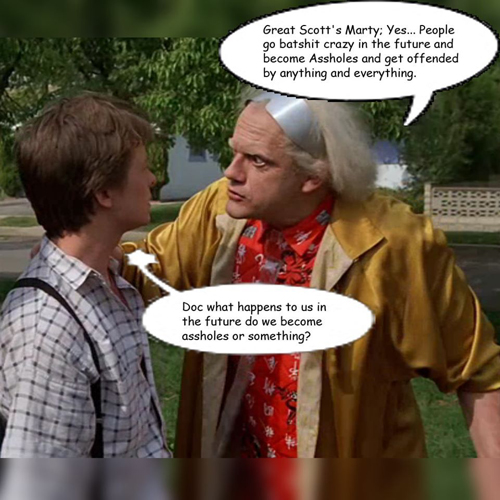
Photoshop eventually became my primary tool for anything graphic design. So much so, I stopped using Illustrator altogether and I have been playing catchup ever since. I’m not a graphic designer by trade. Never claimed to be. I’m essentially a computer and film nerd who learned how to use the software well enough to accomplish what I needed to accomplish. Much of that involved figuring out how to make something work when I didn’t necessarily have the equipment, resources, or budget to do it the conventional way.
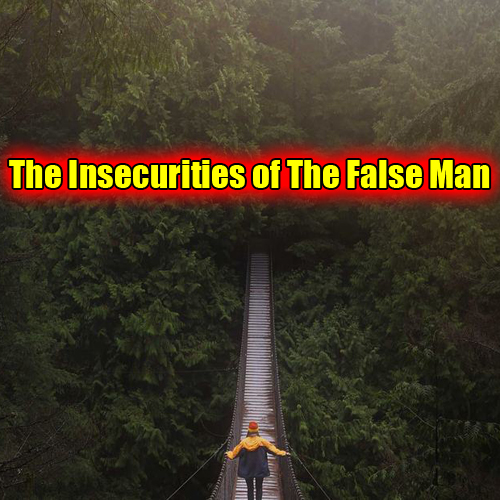
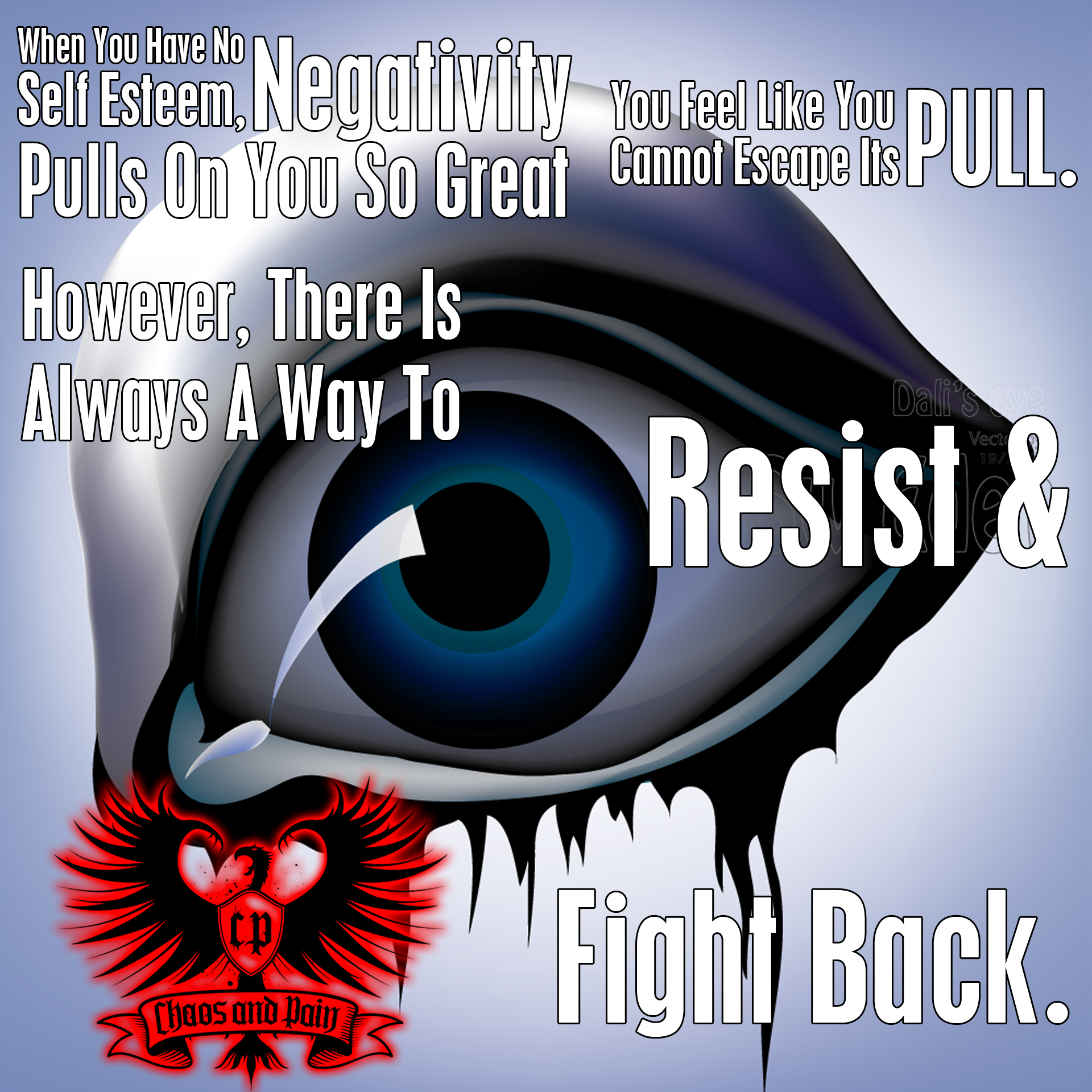
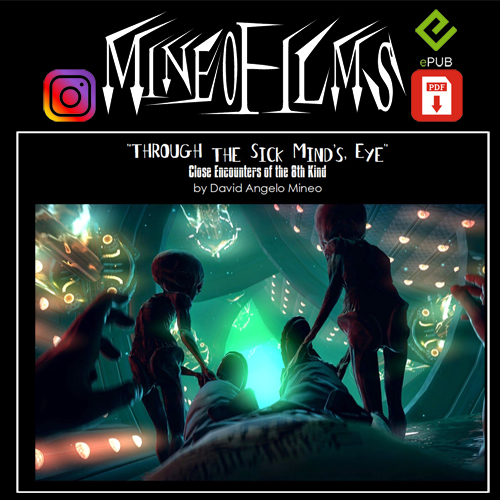
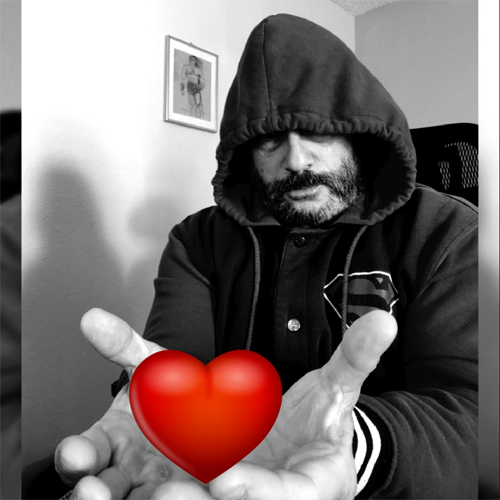
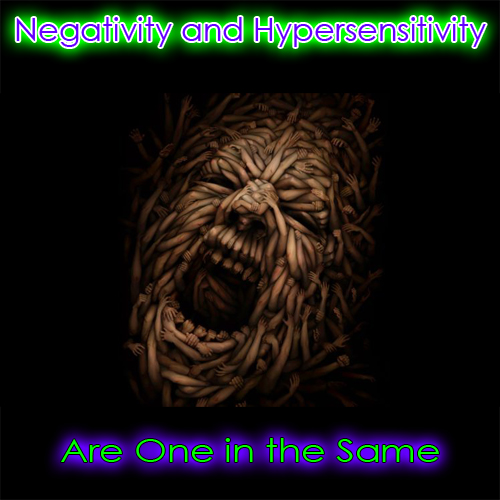
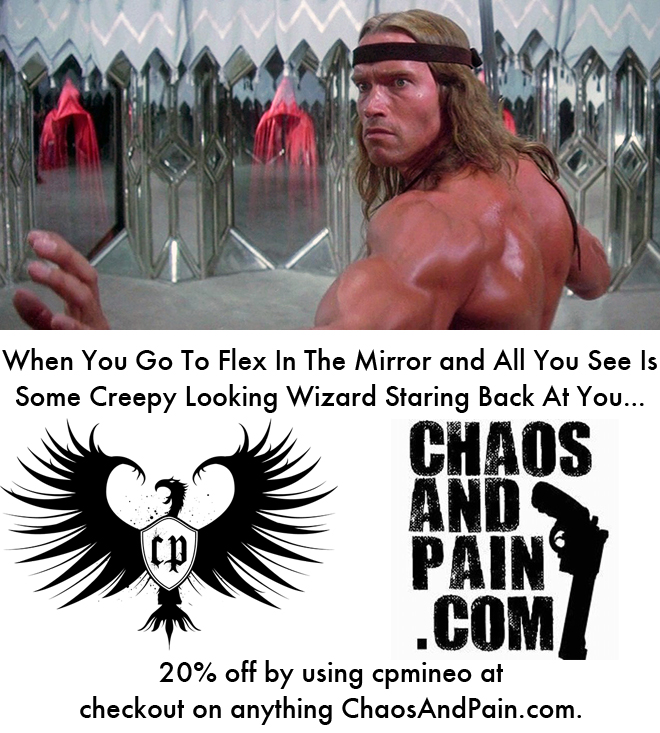
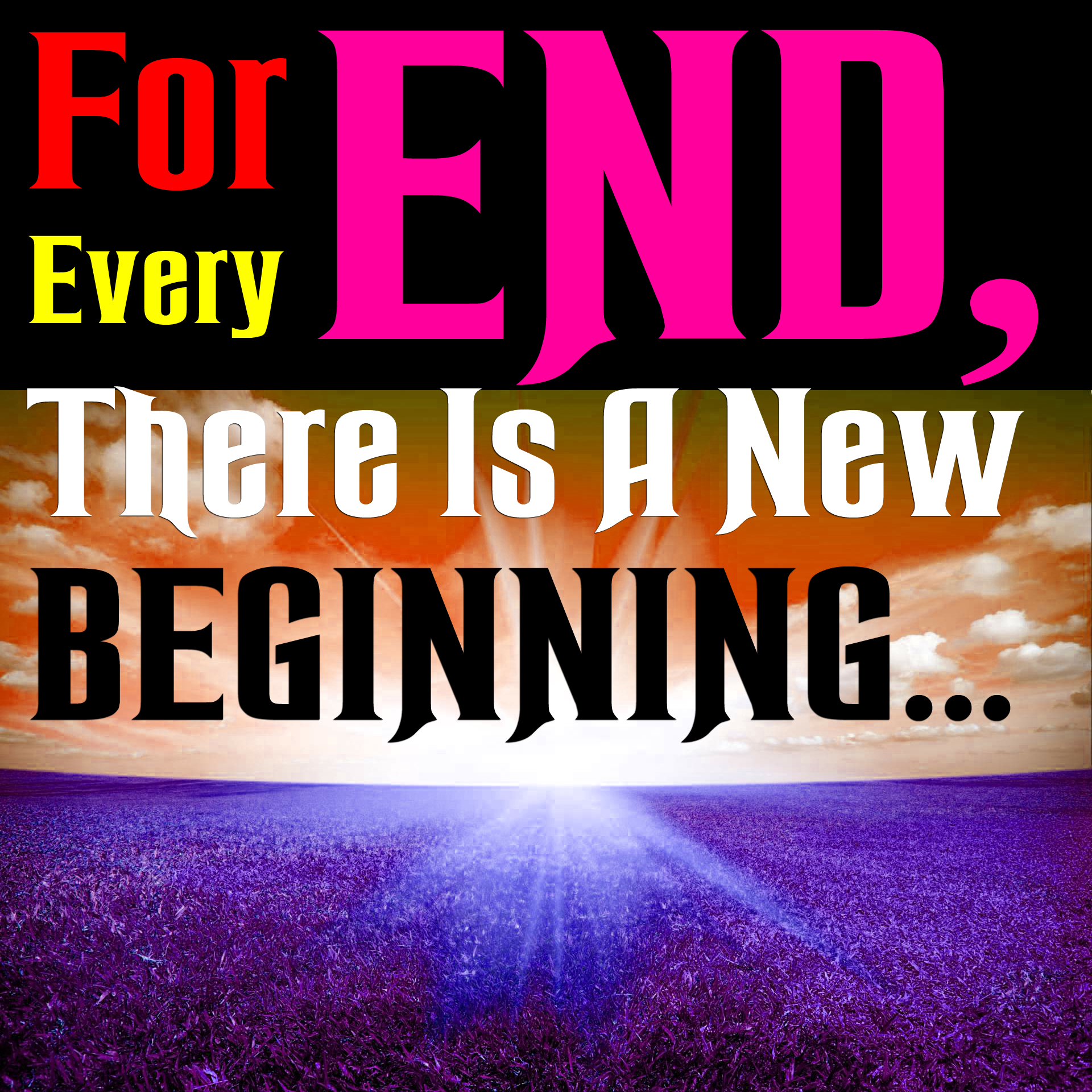
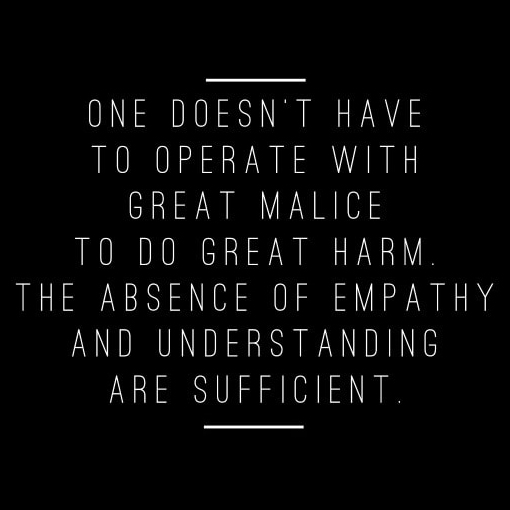
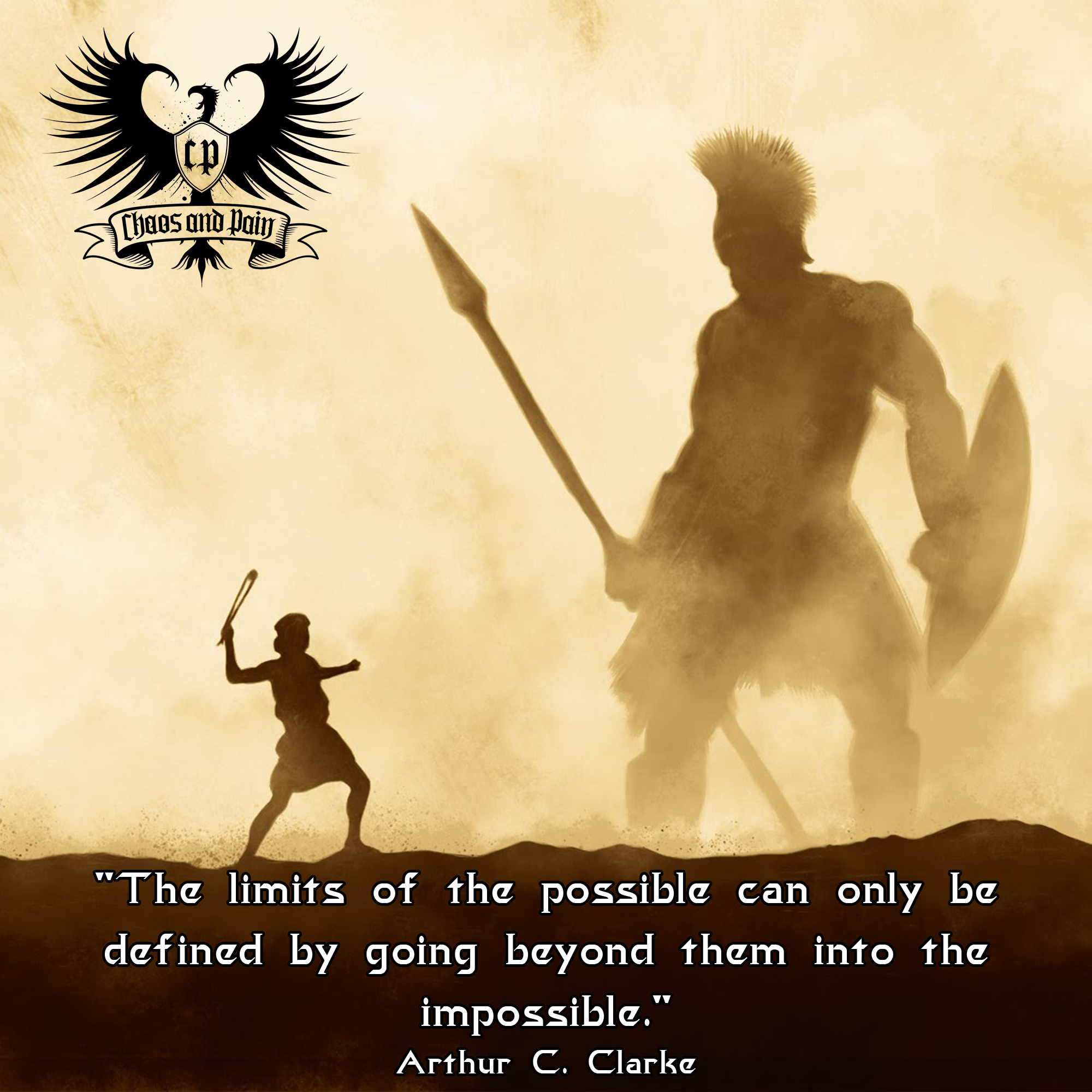
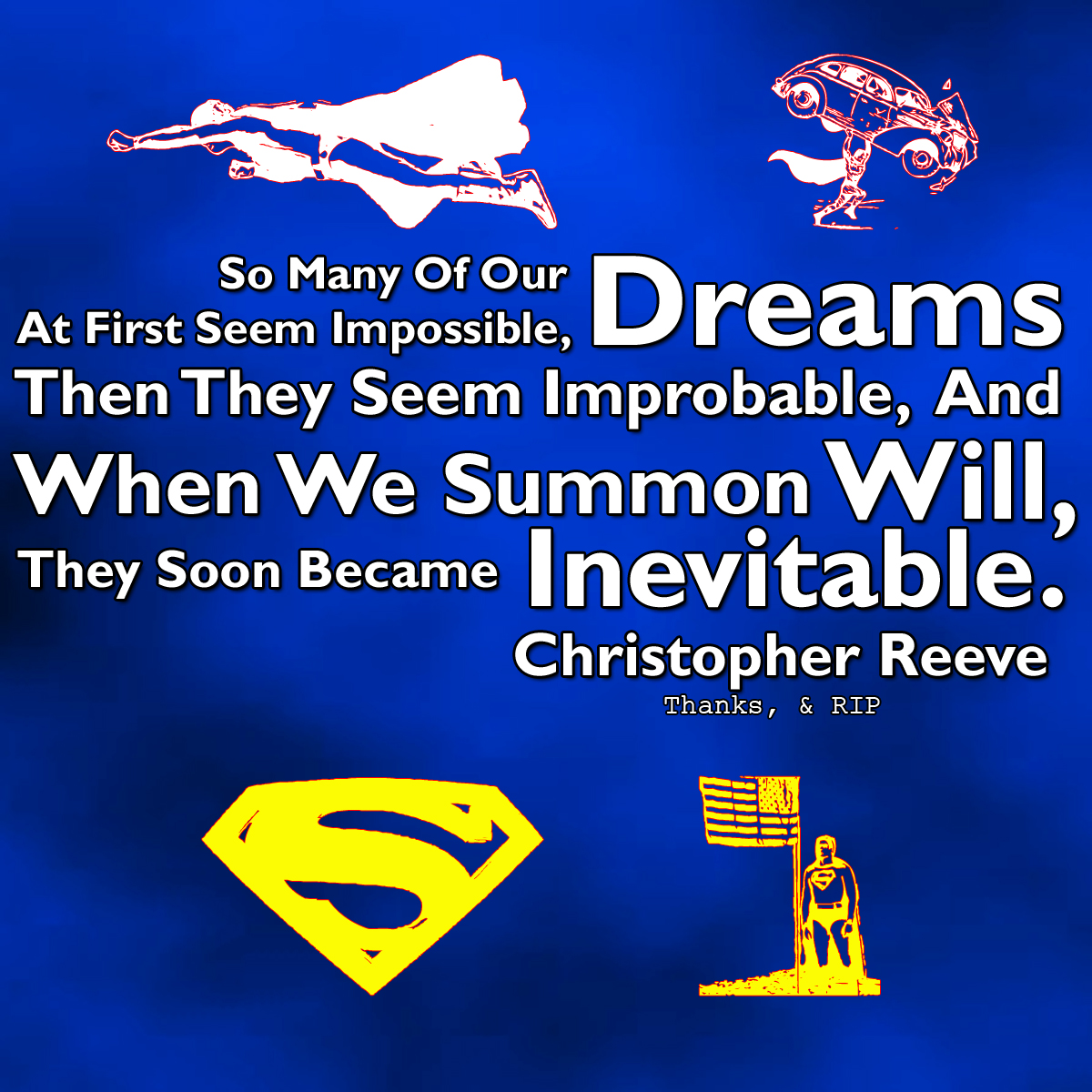
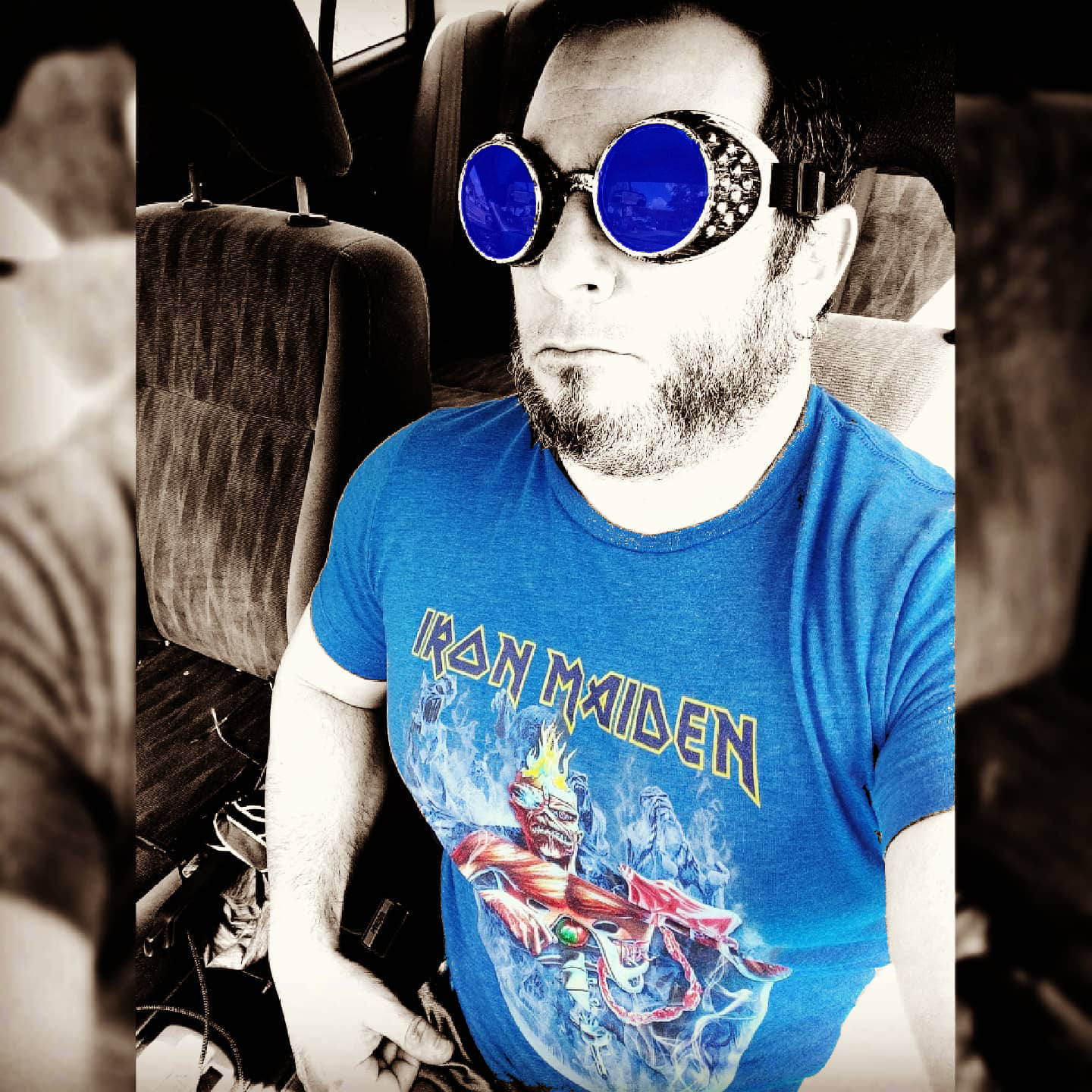
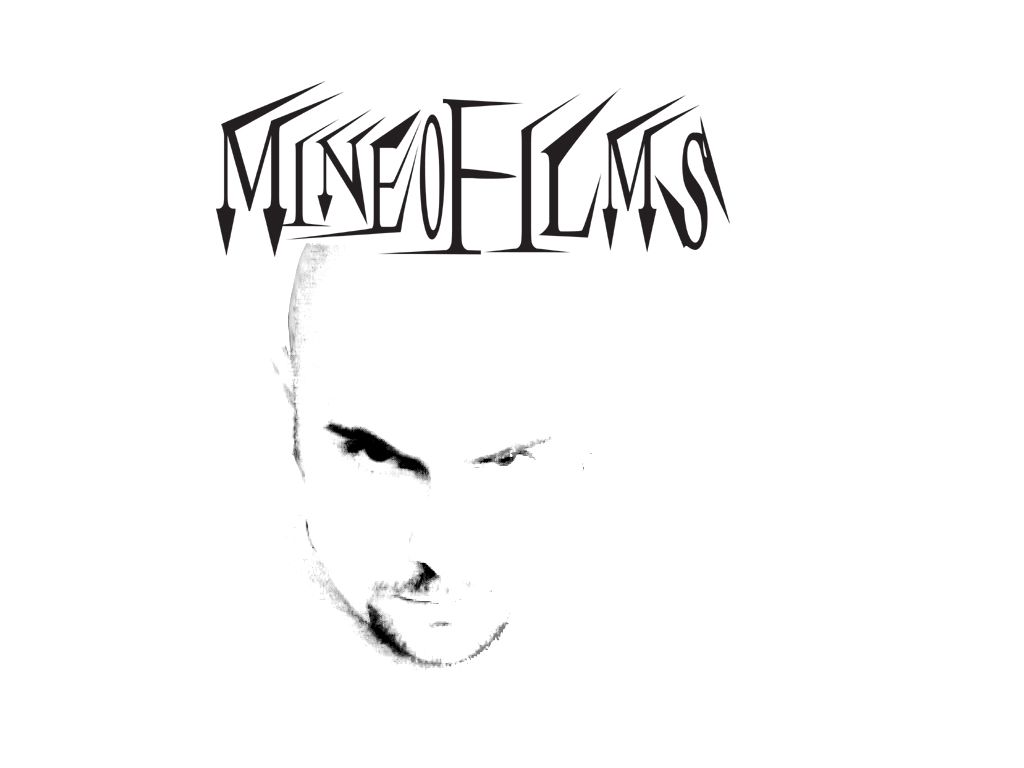
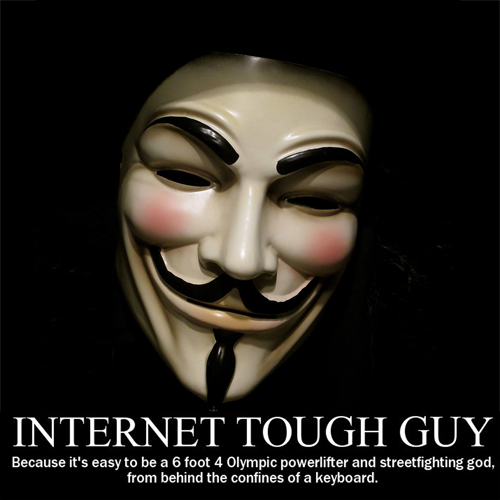
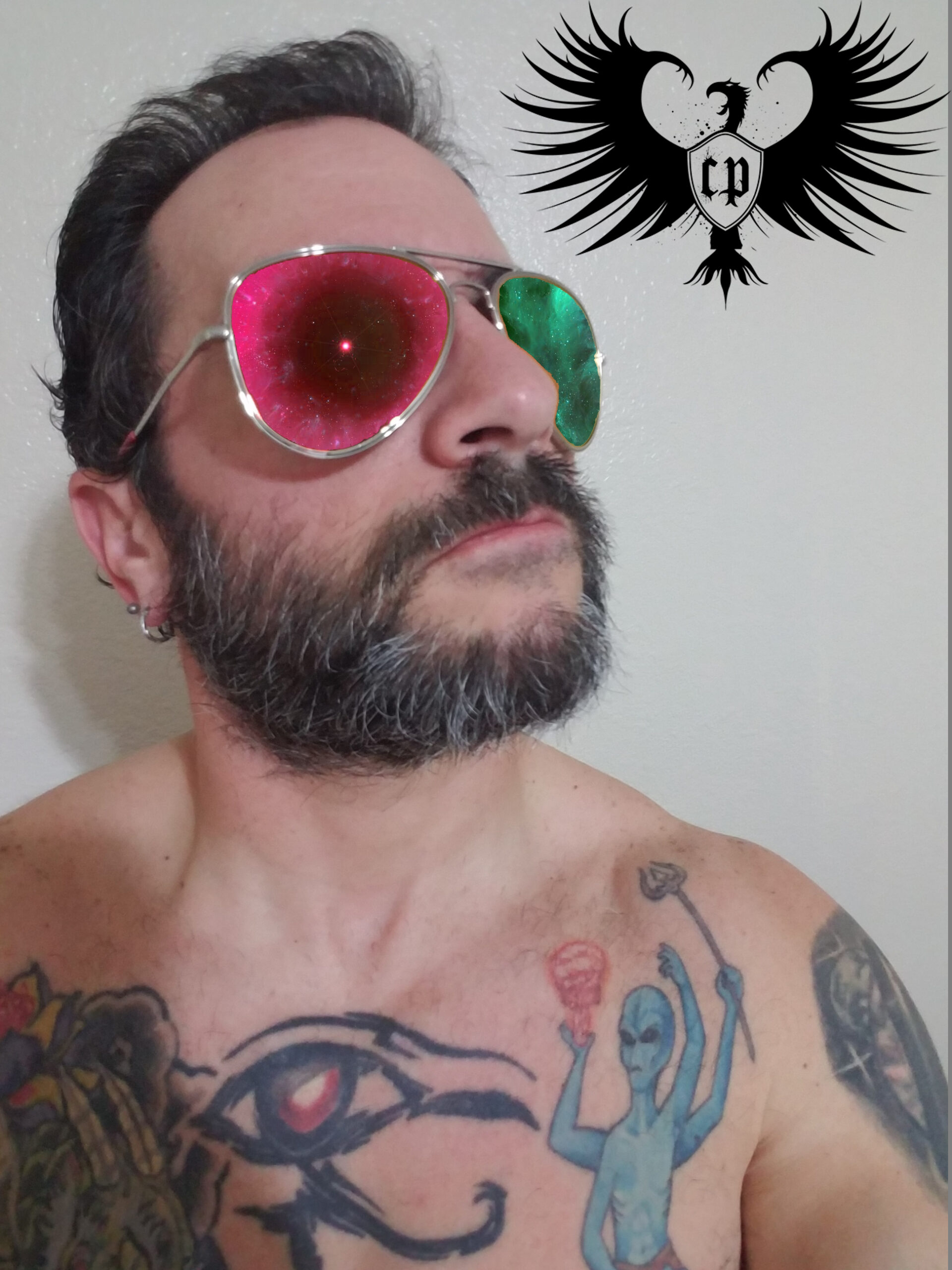
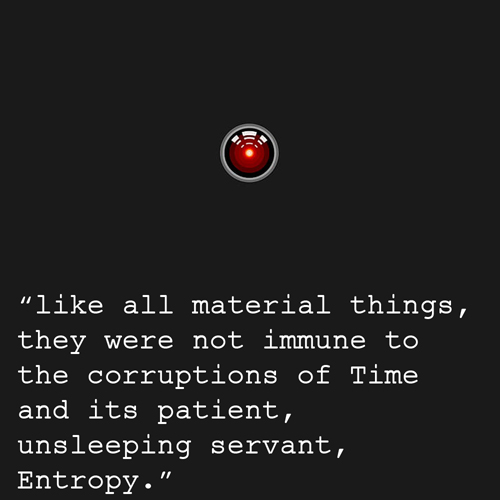
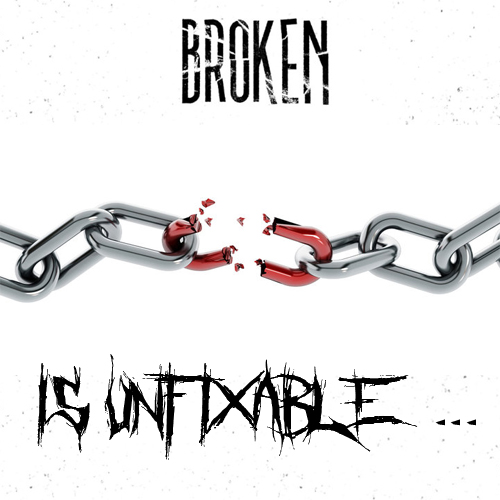
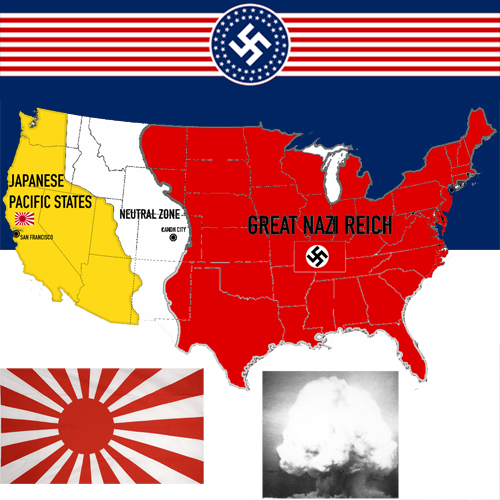
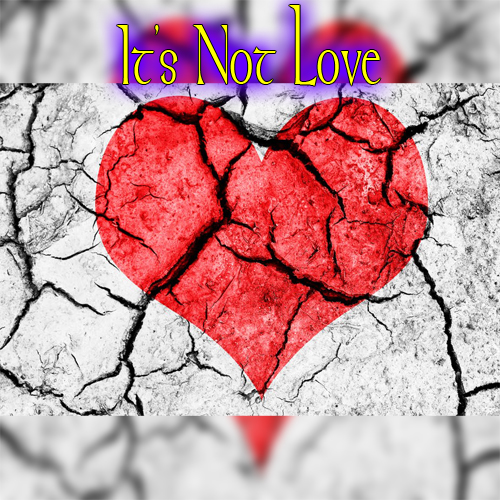
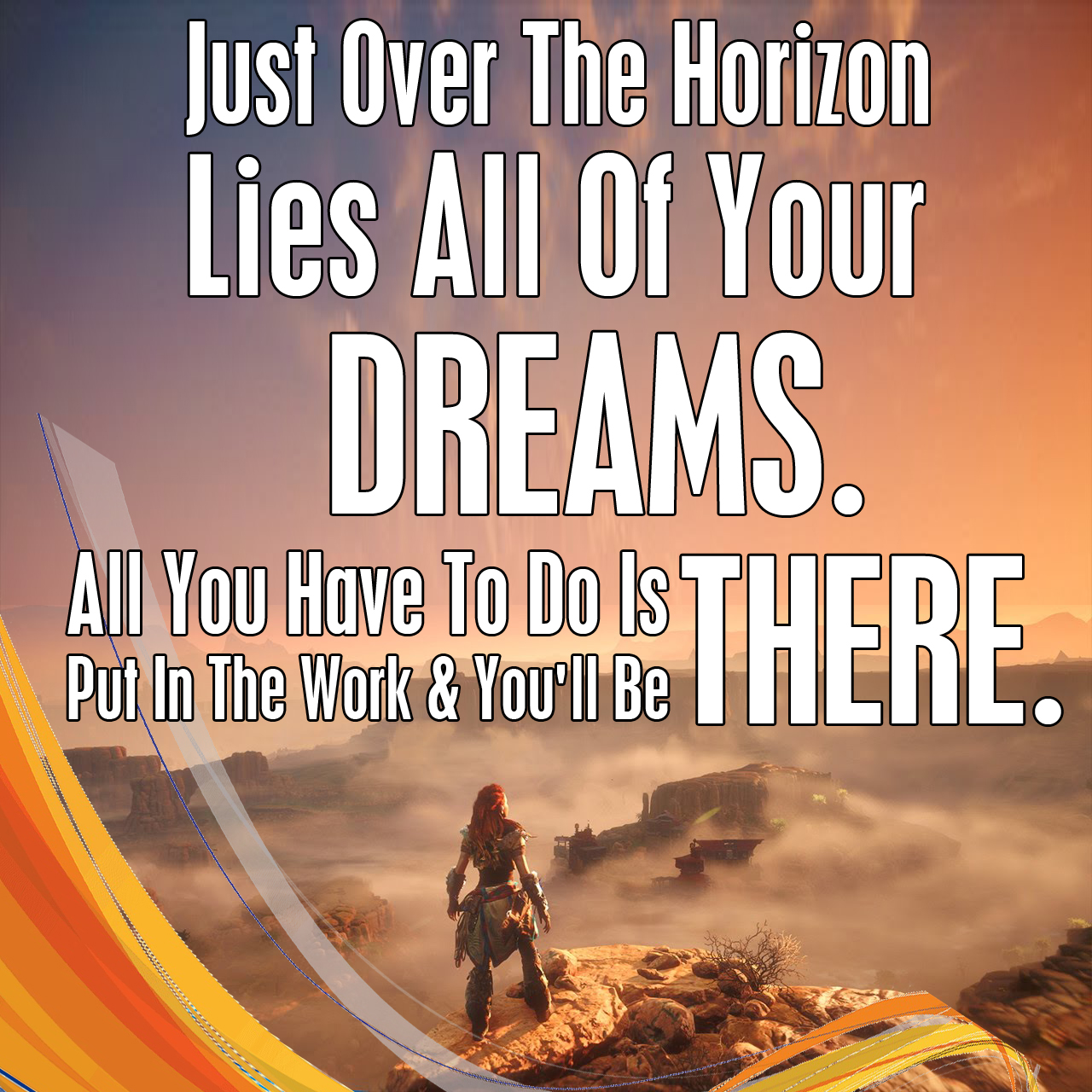
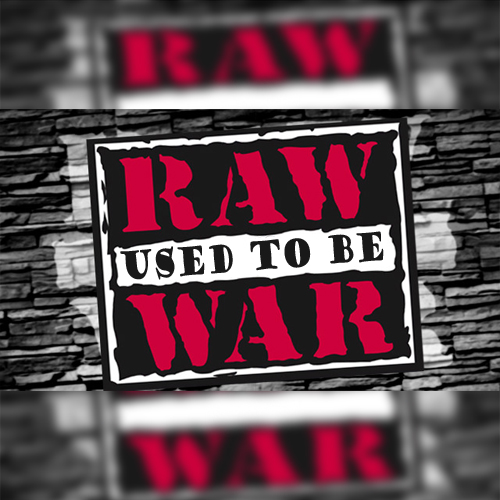
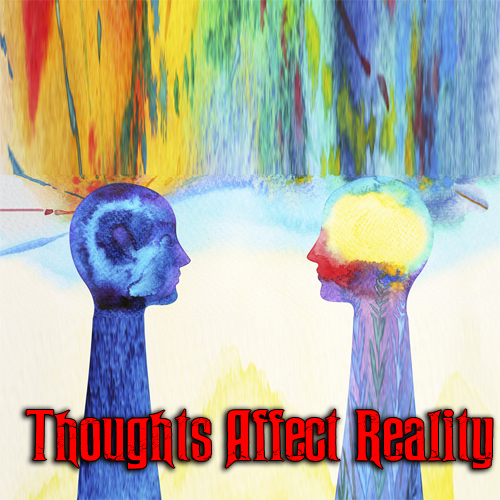
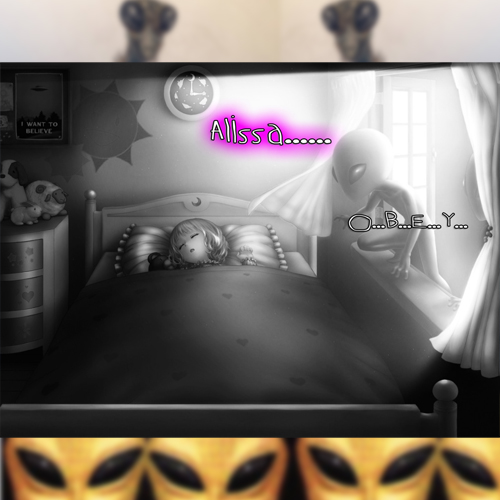
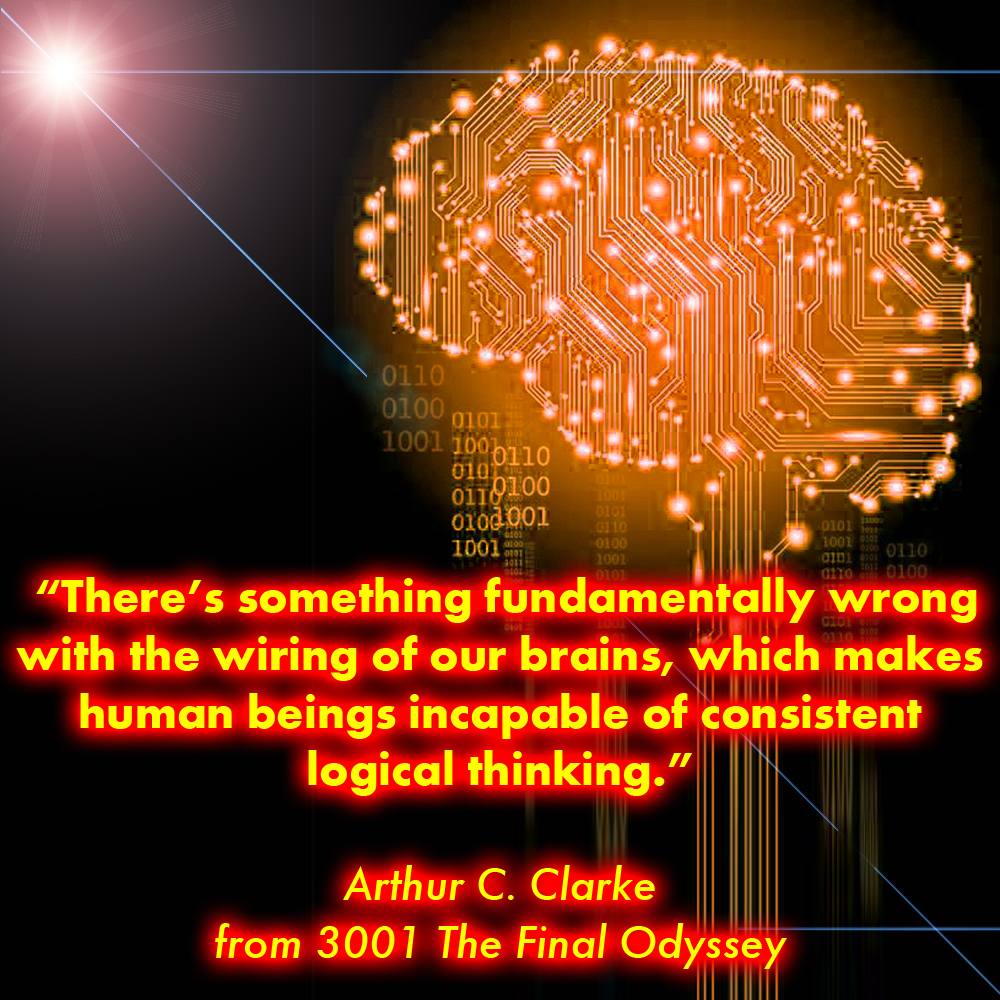
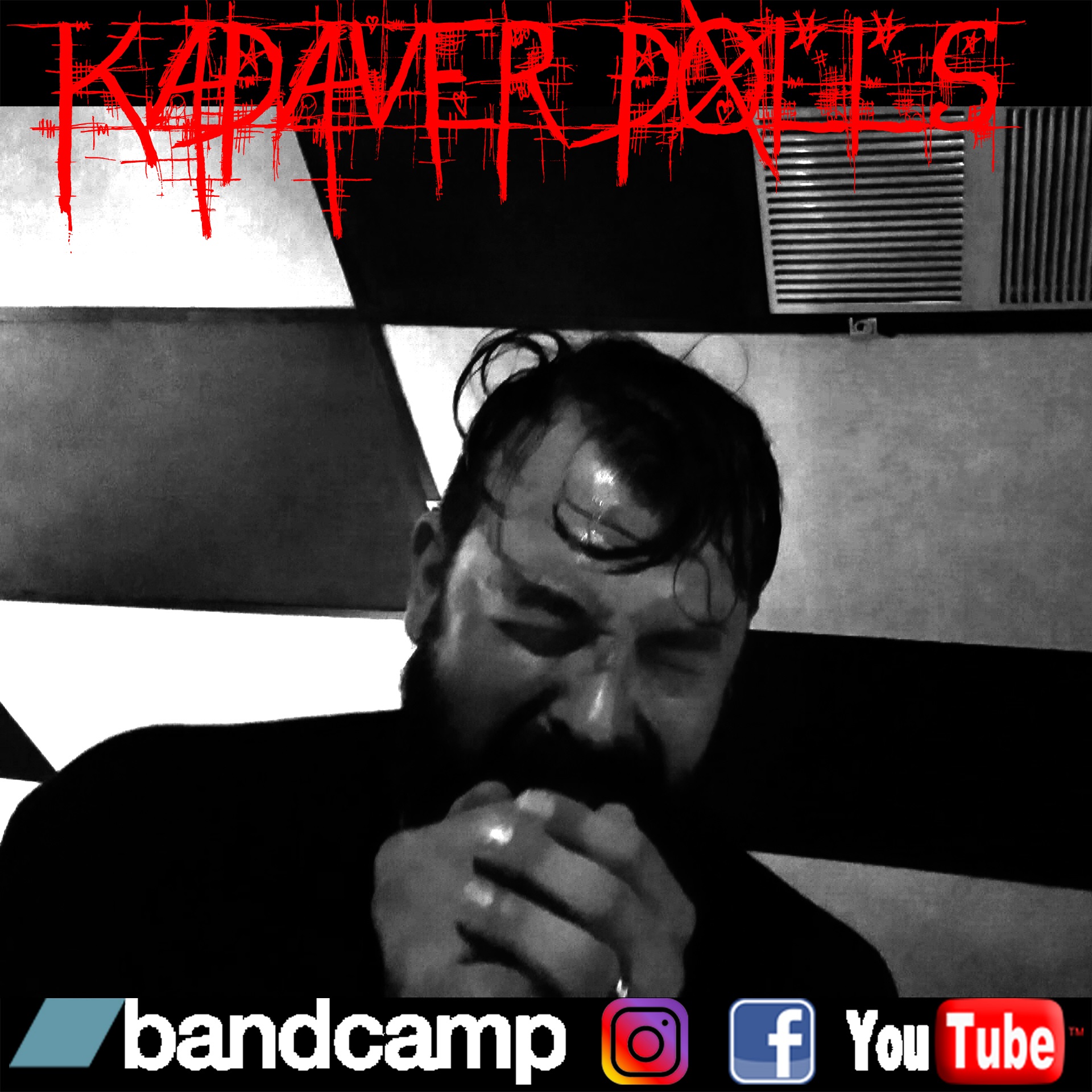
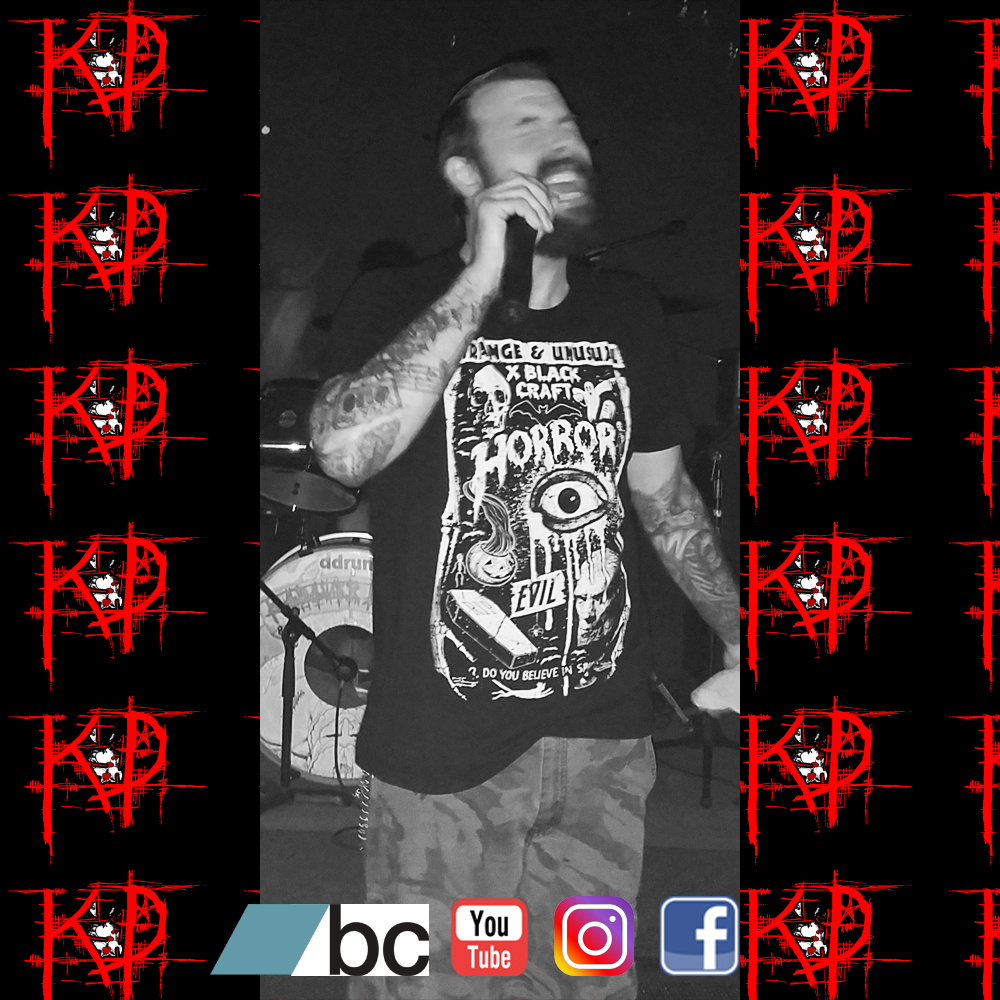
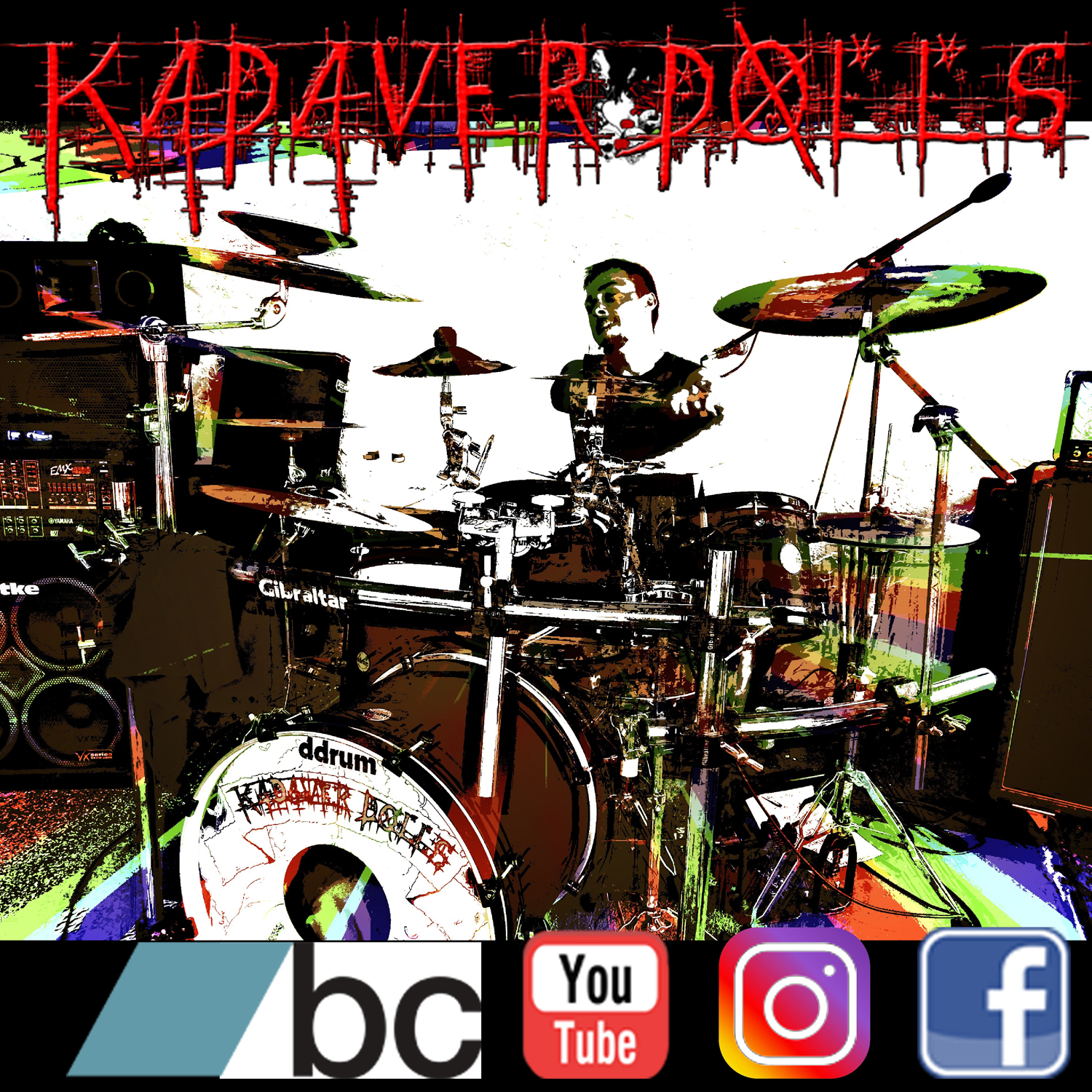
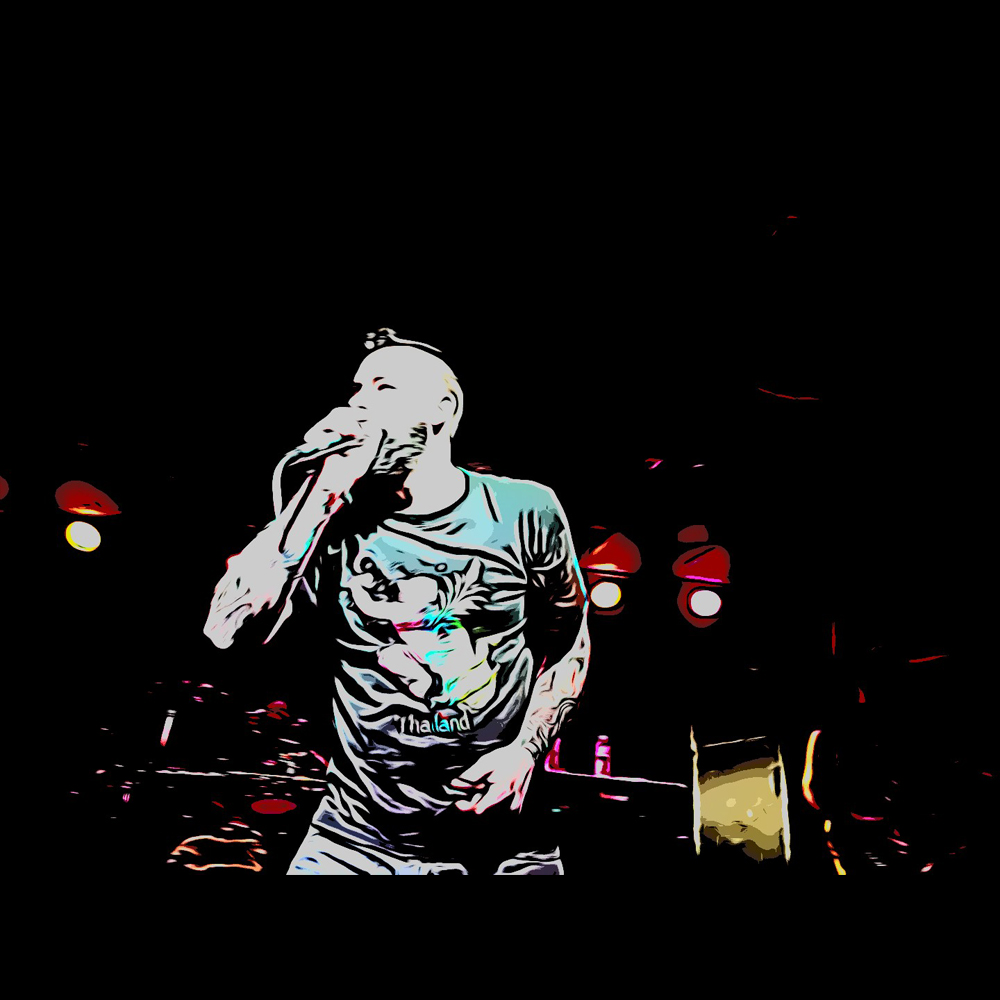
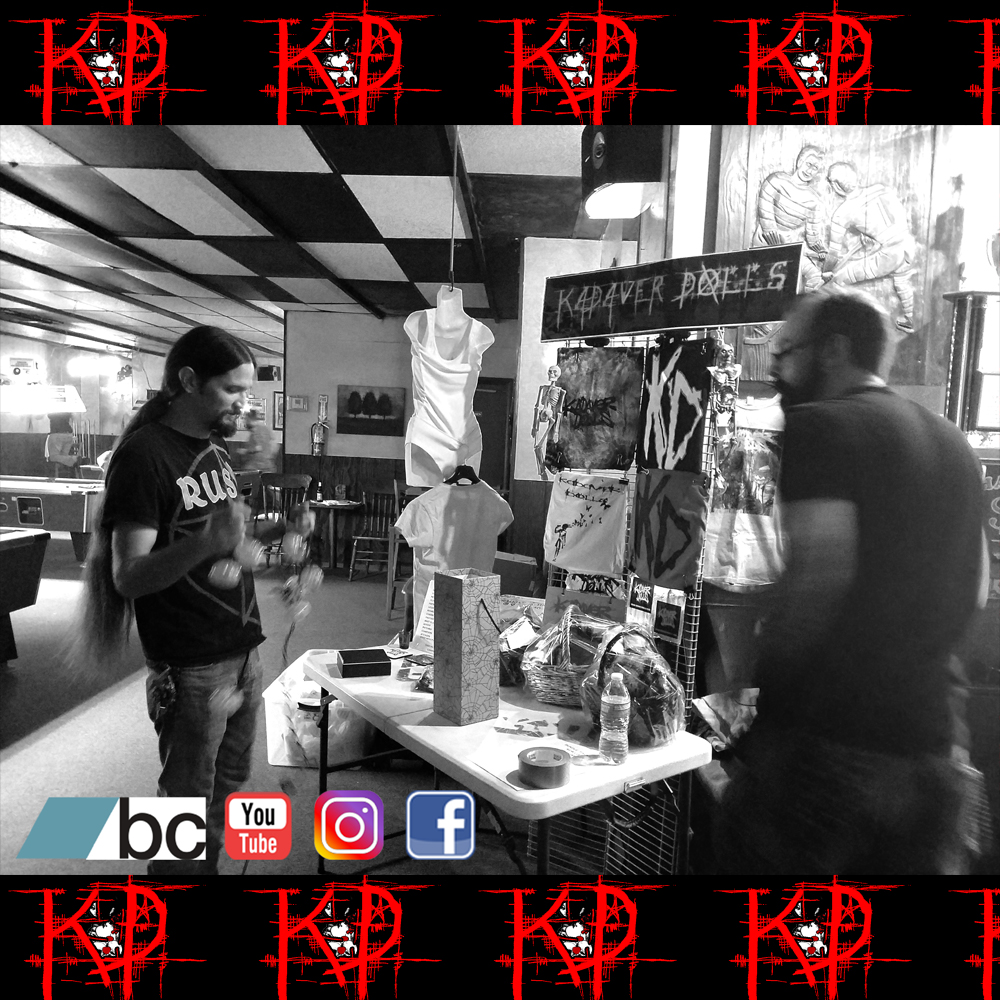
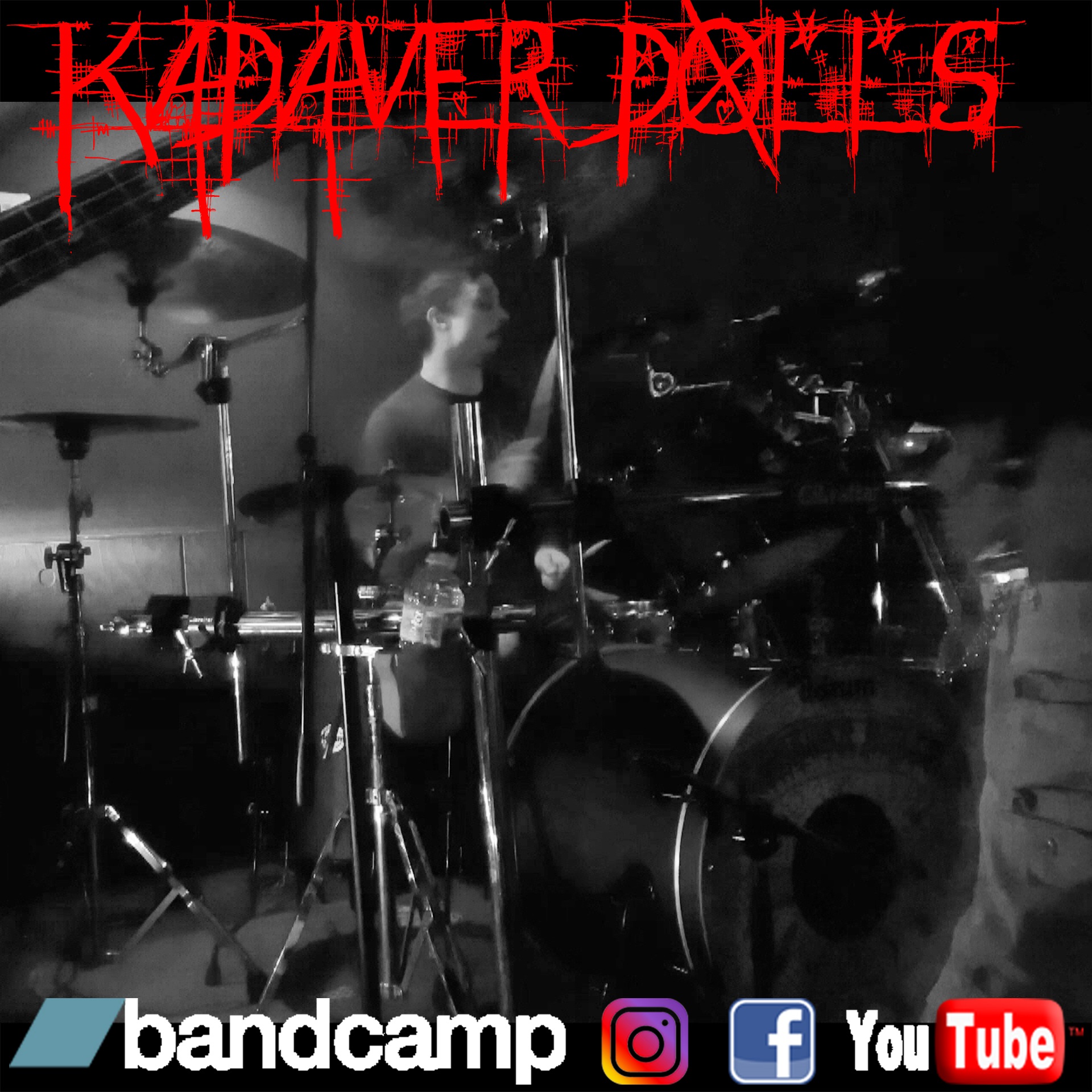
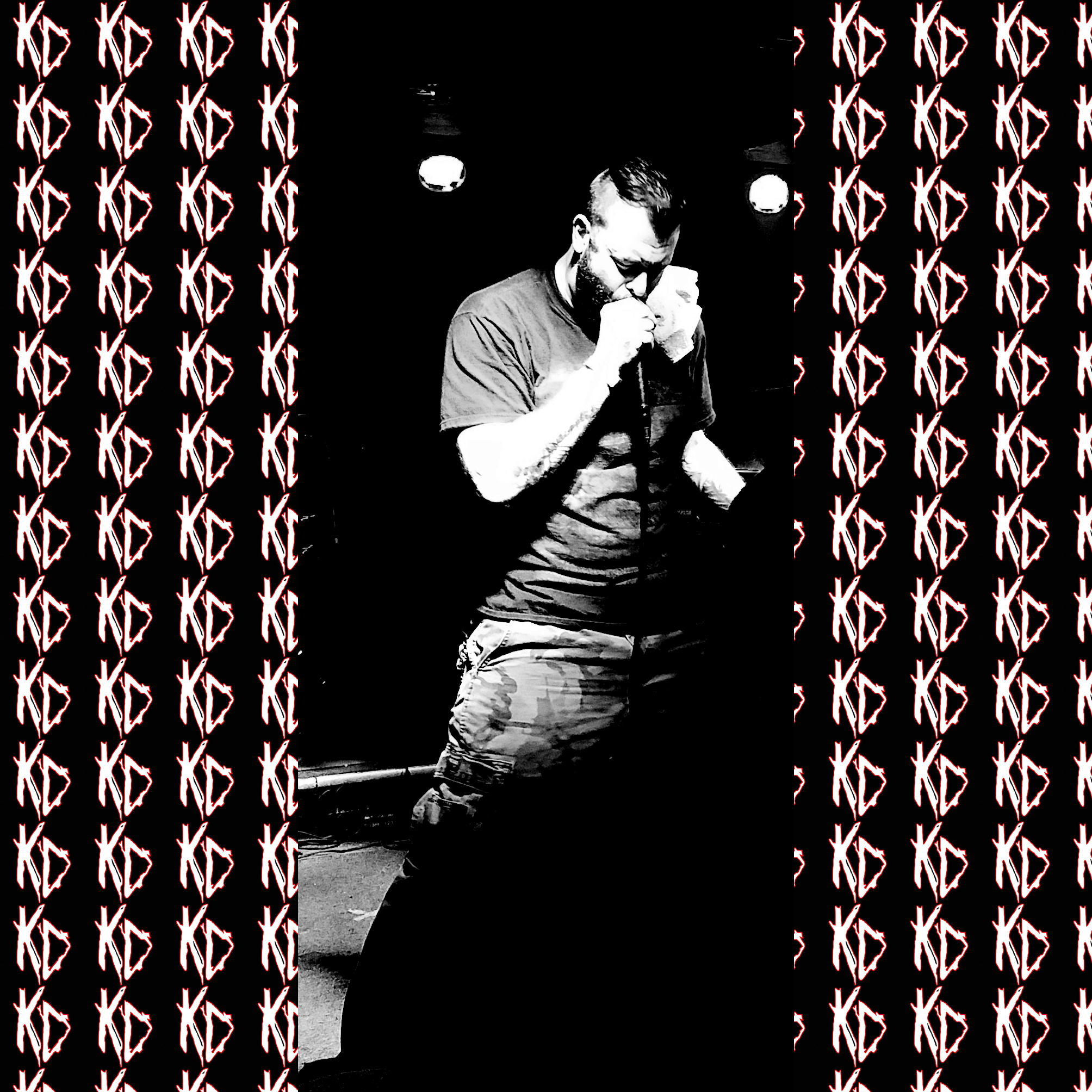
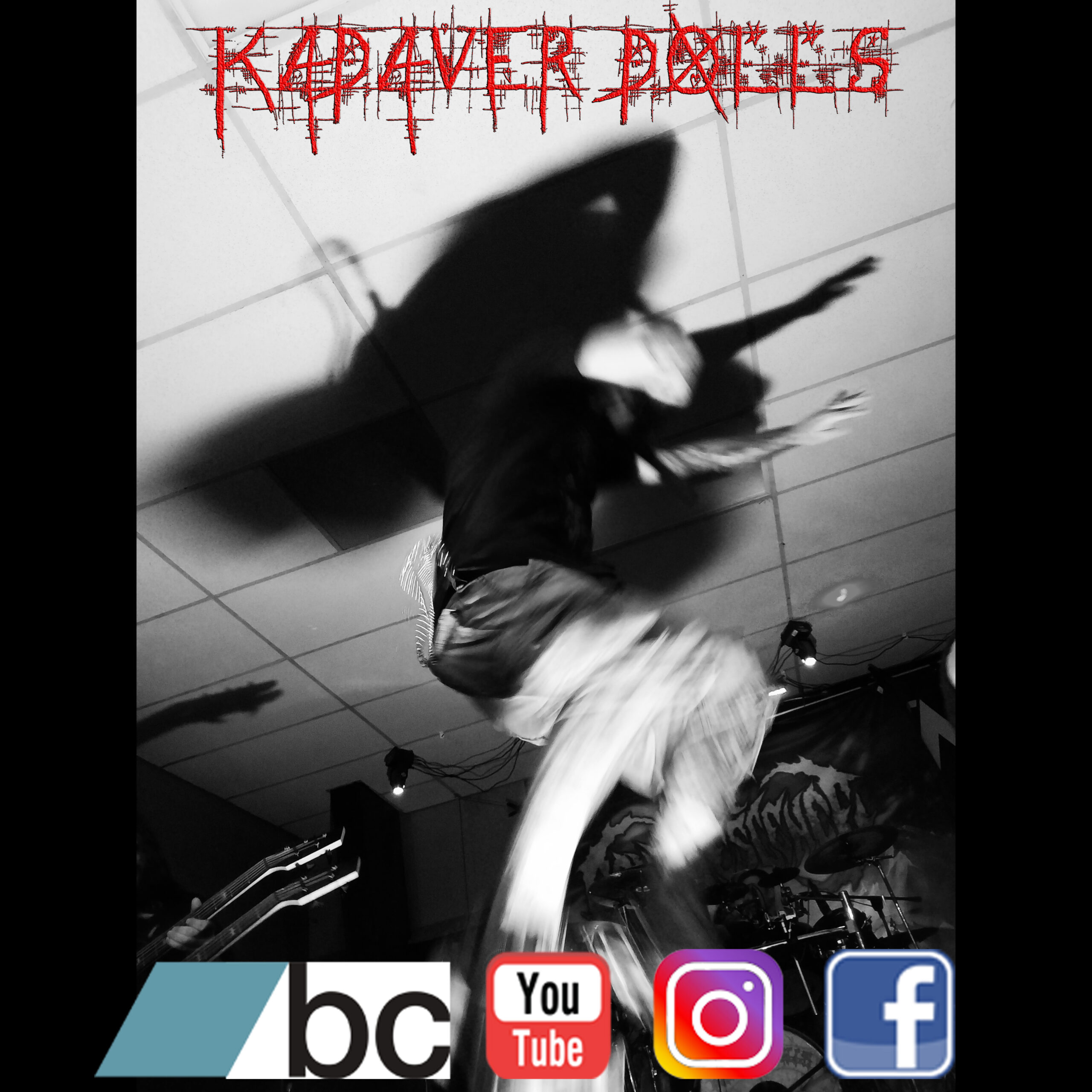
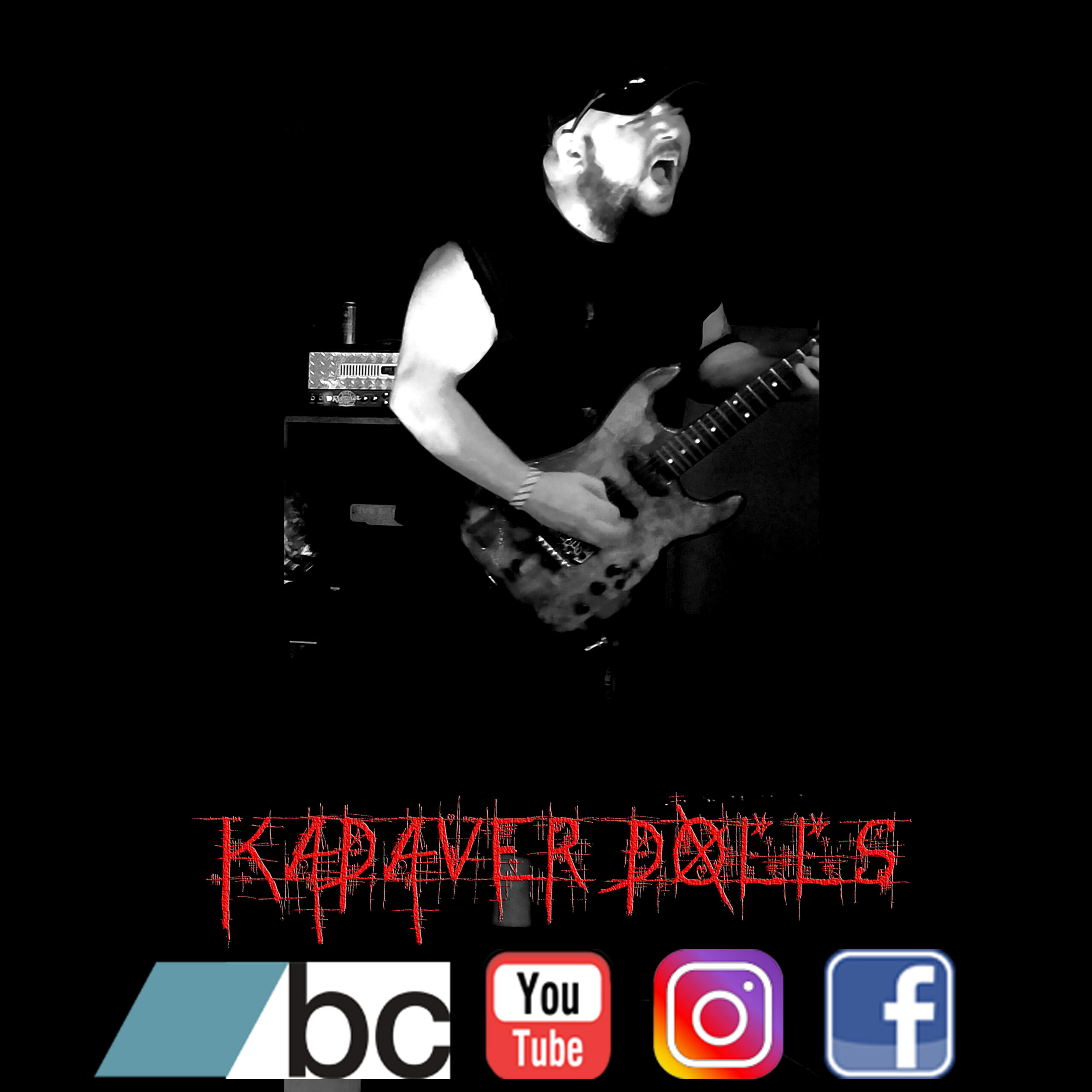
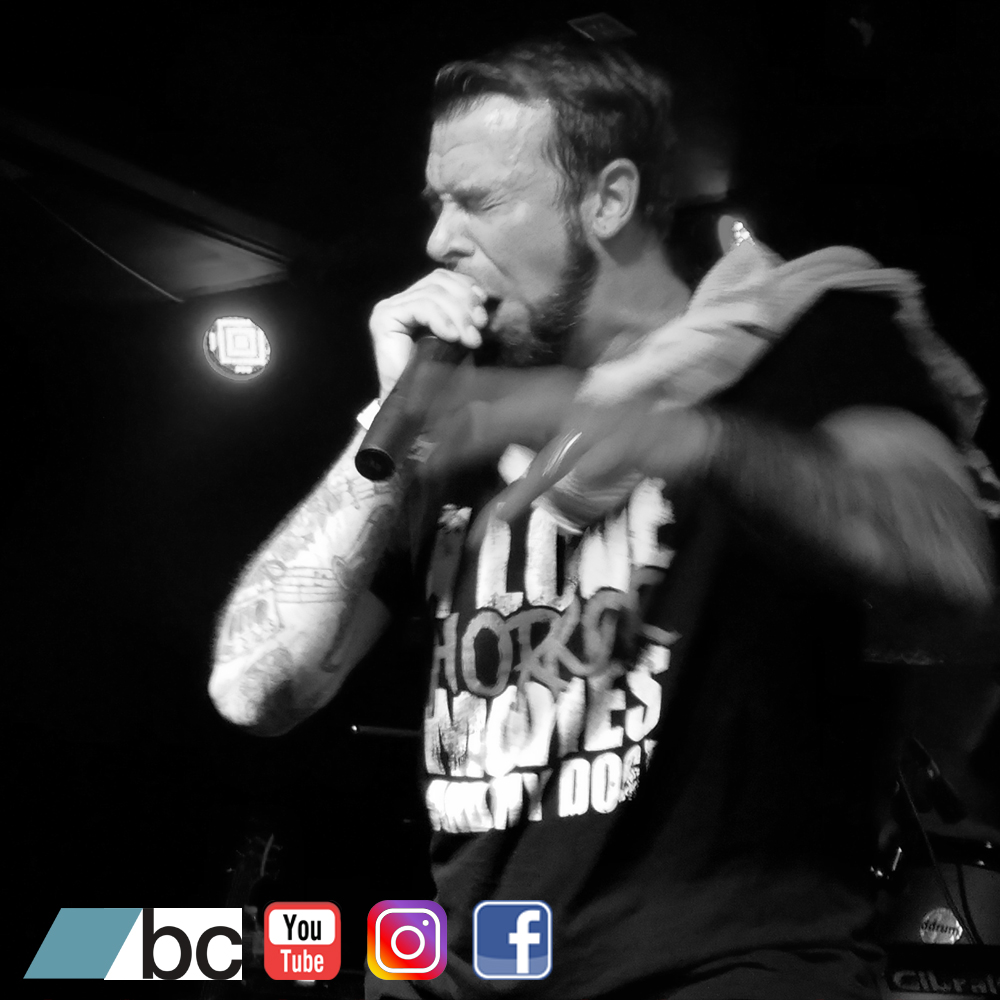
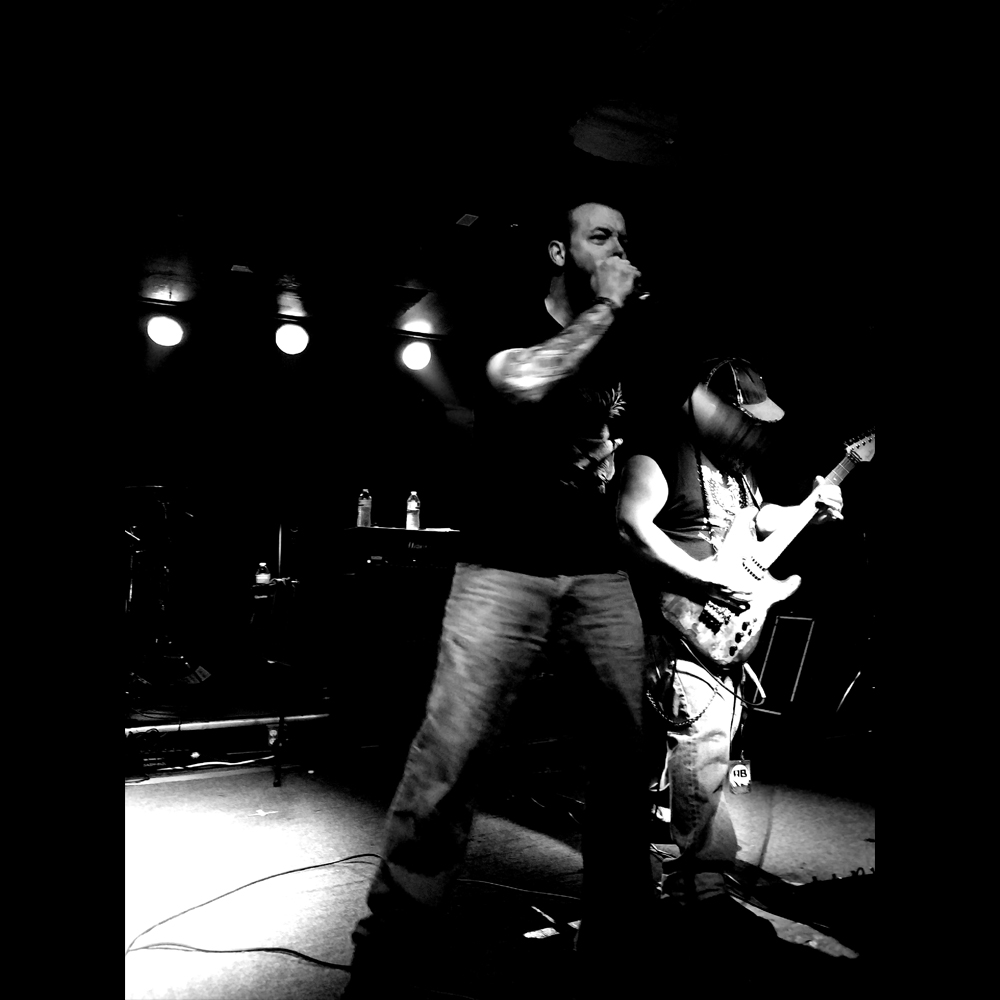
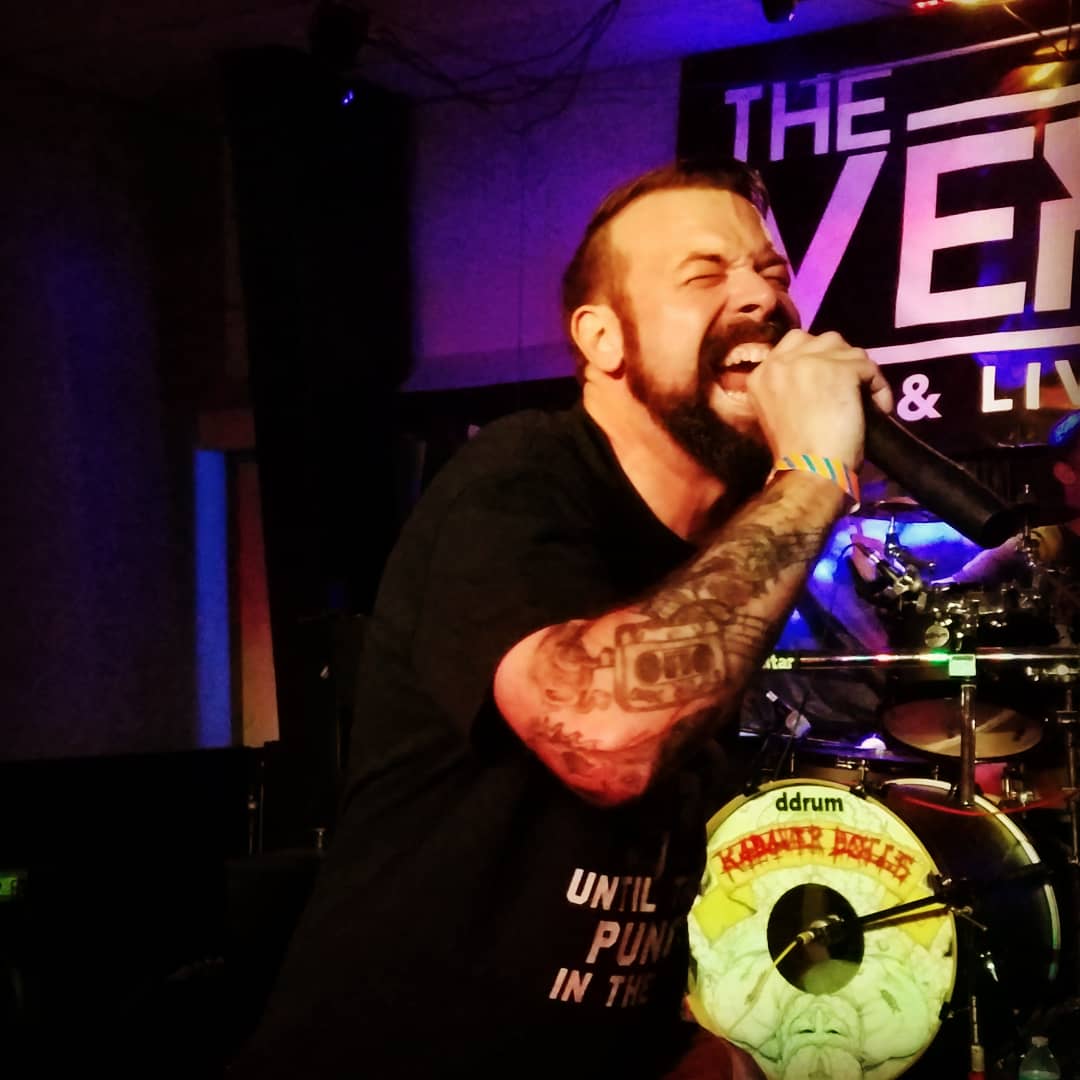
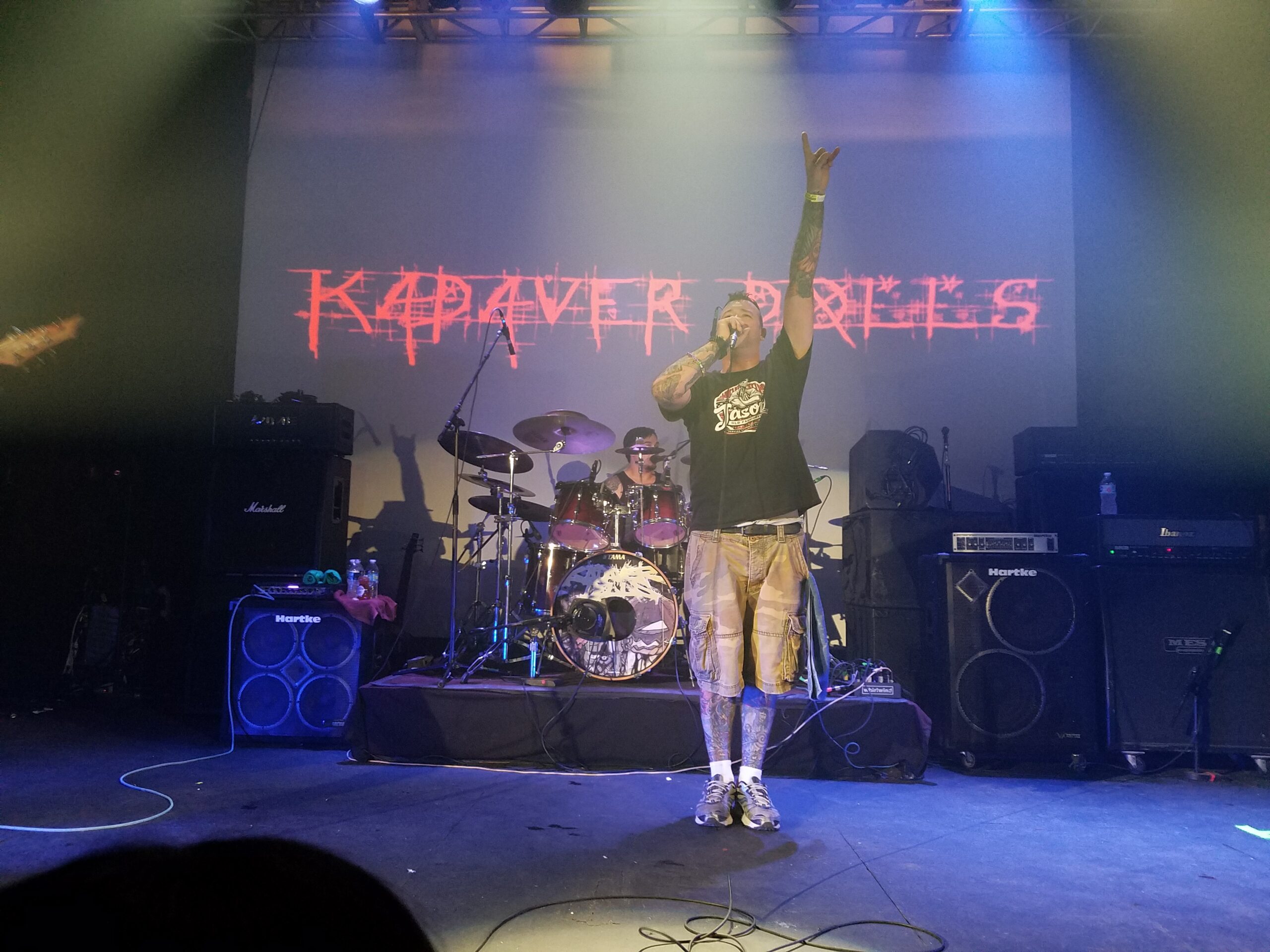
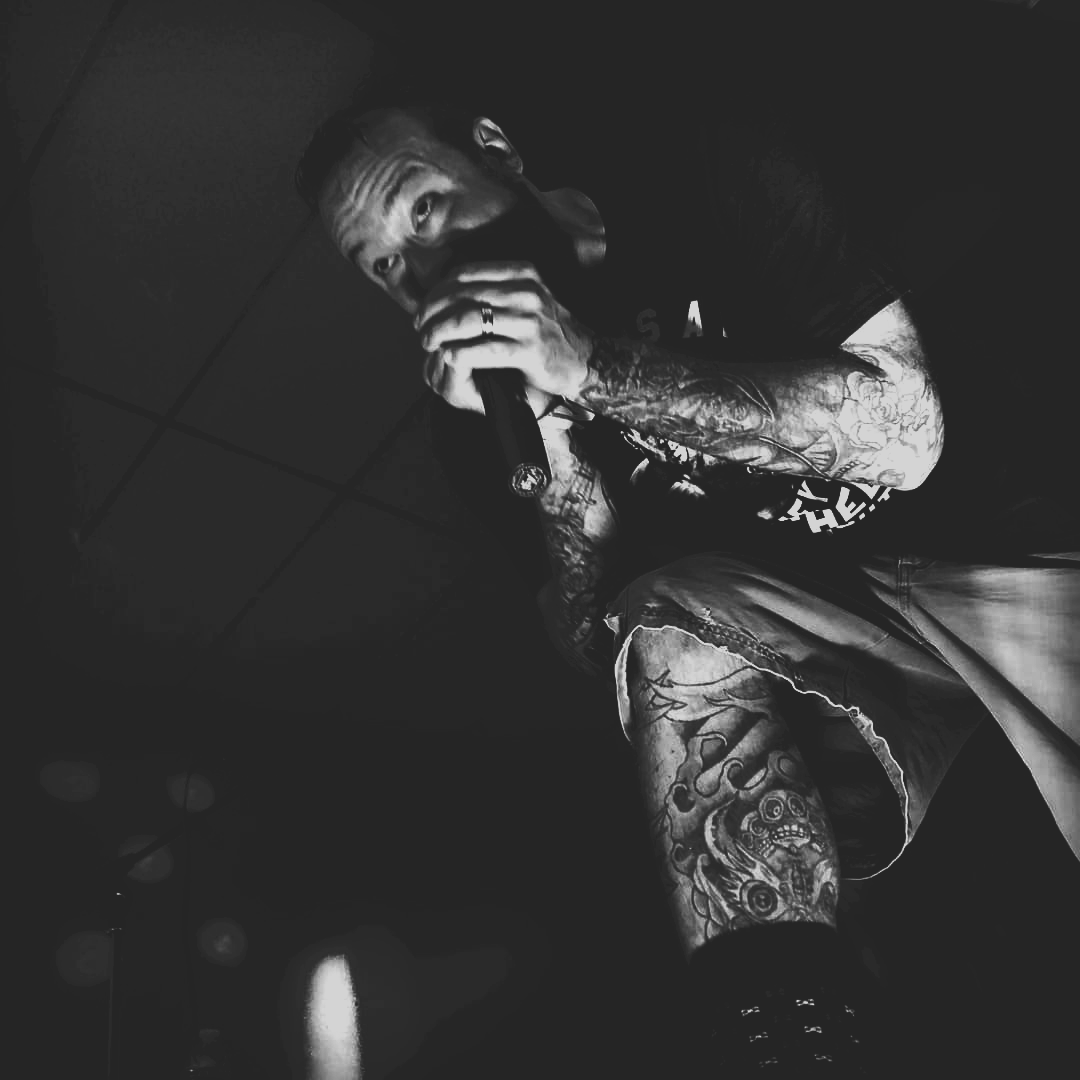
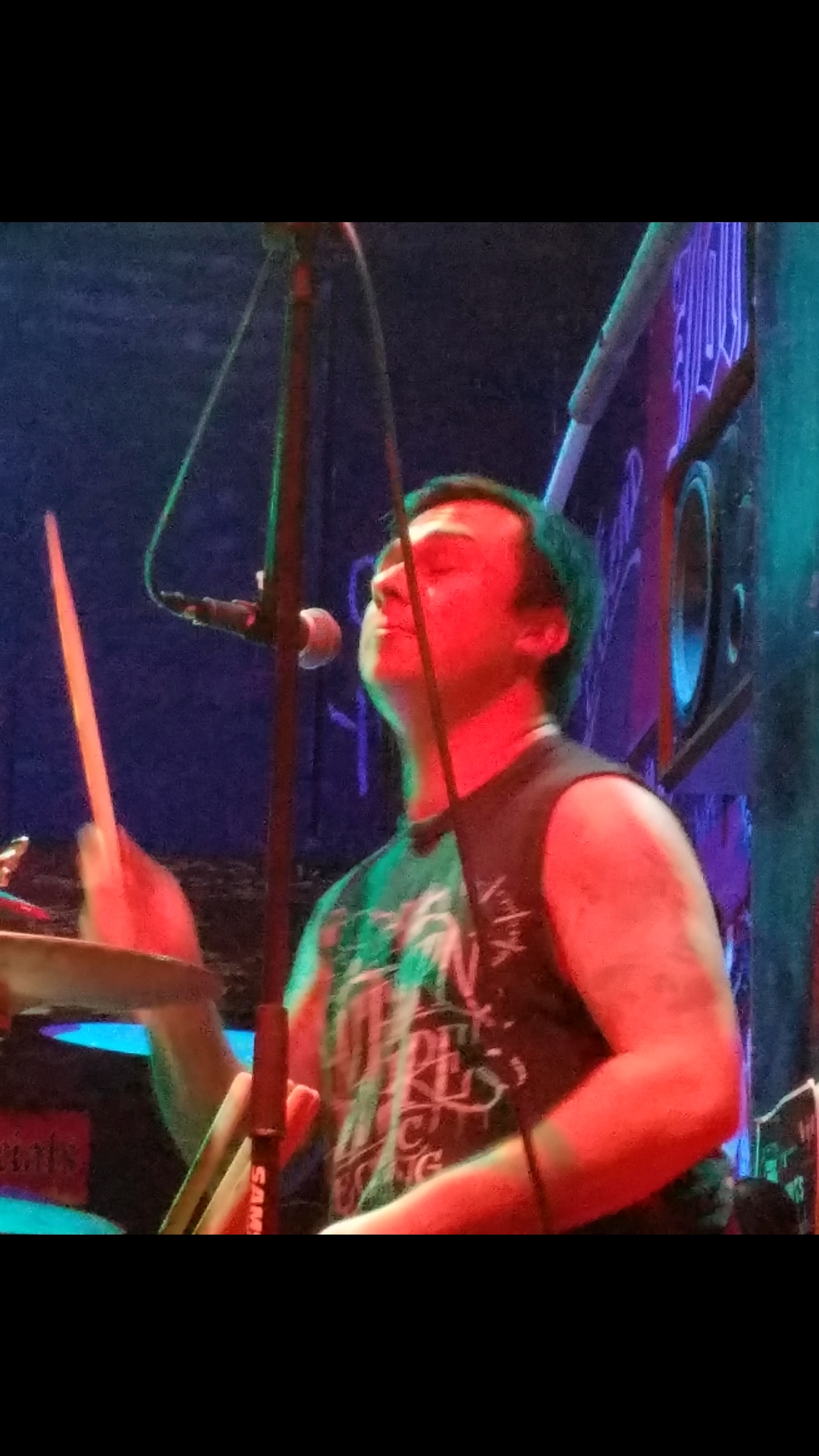
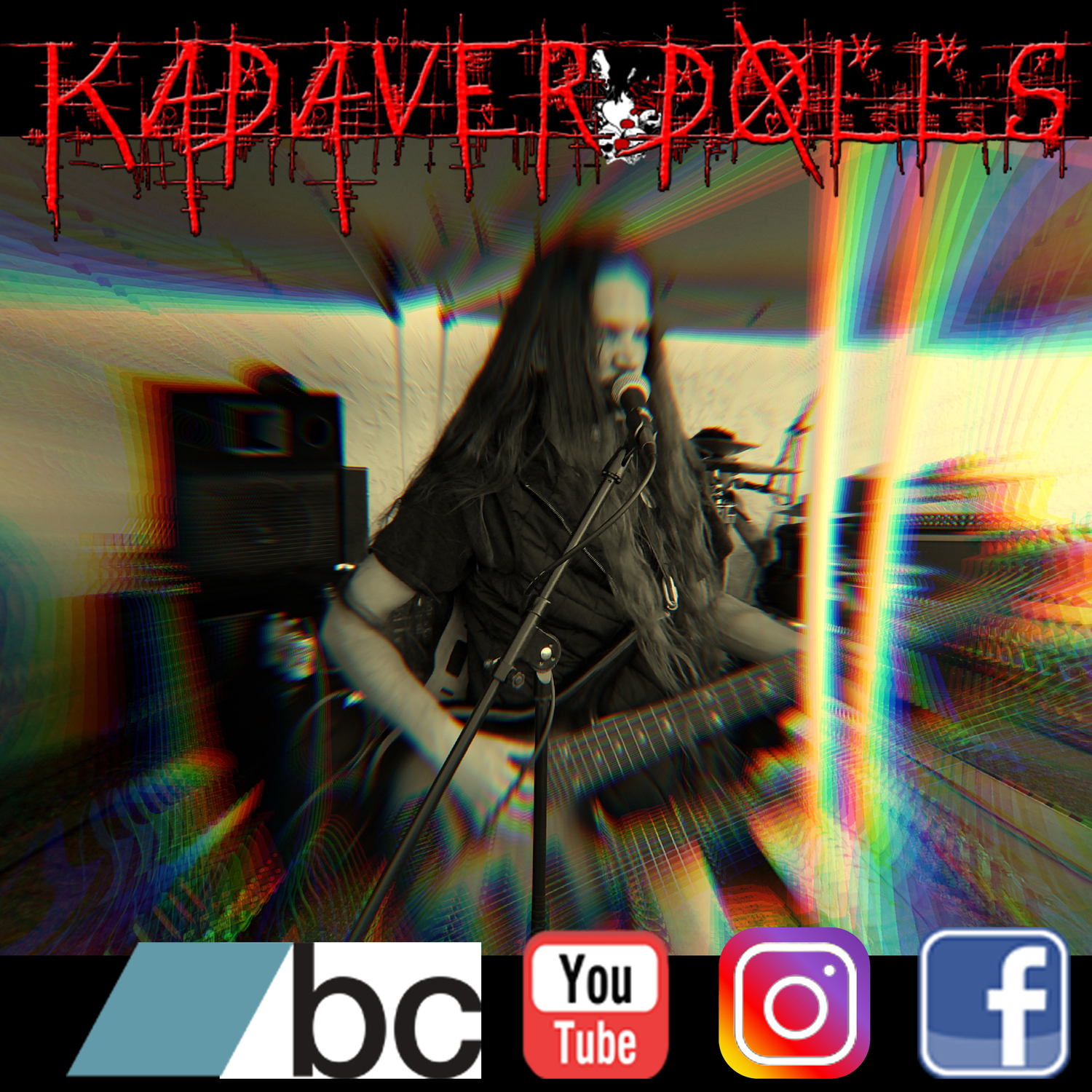
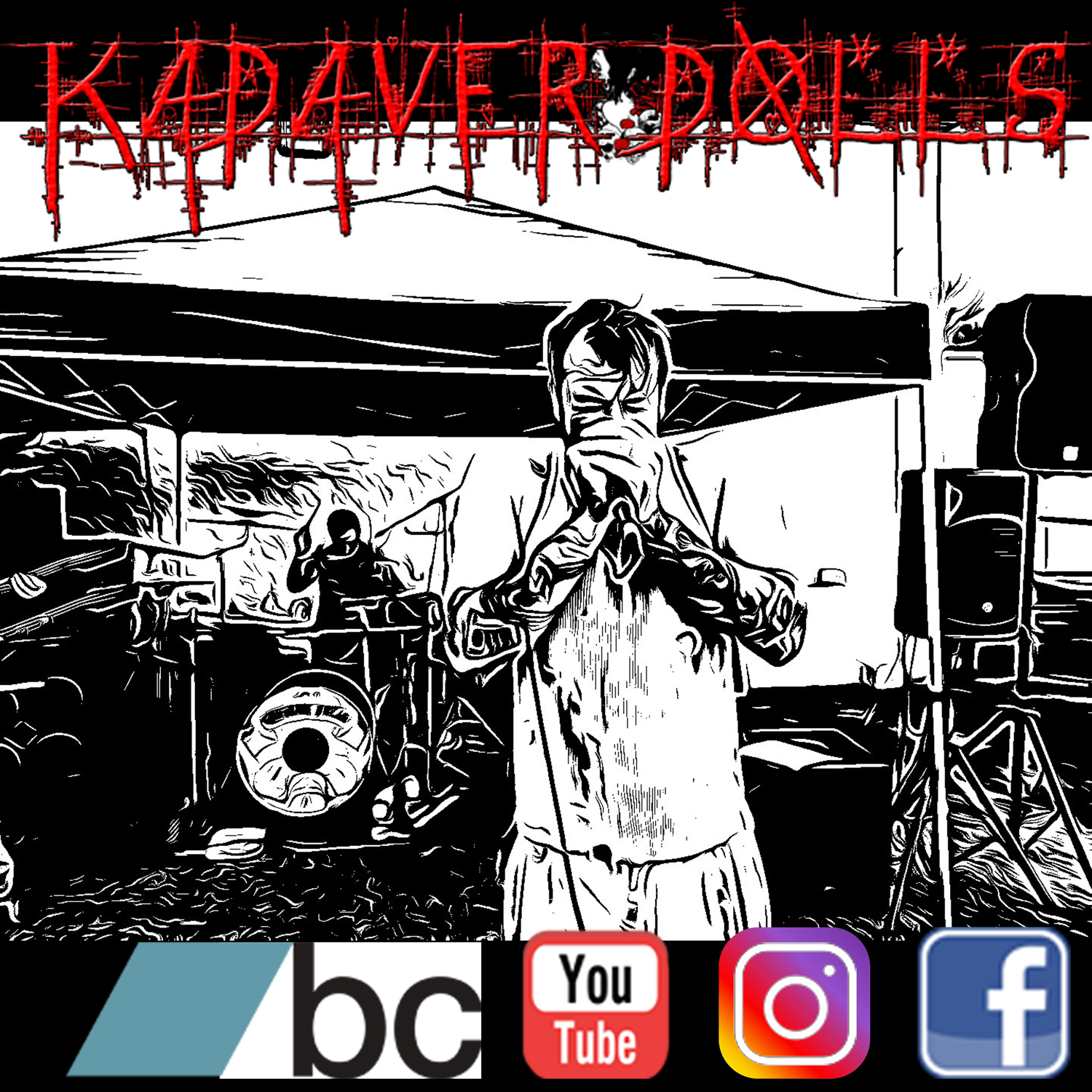
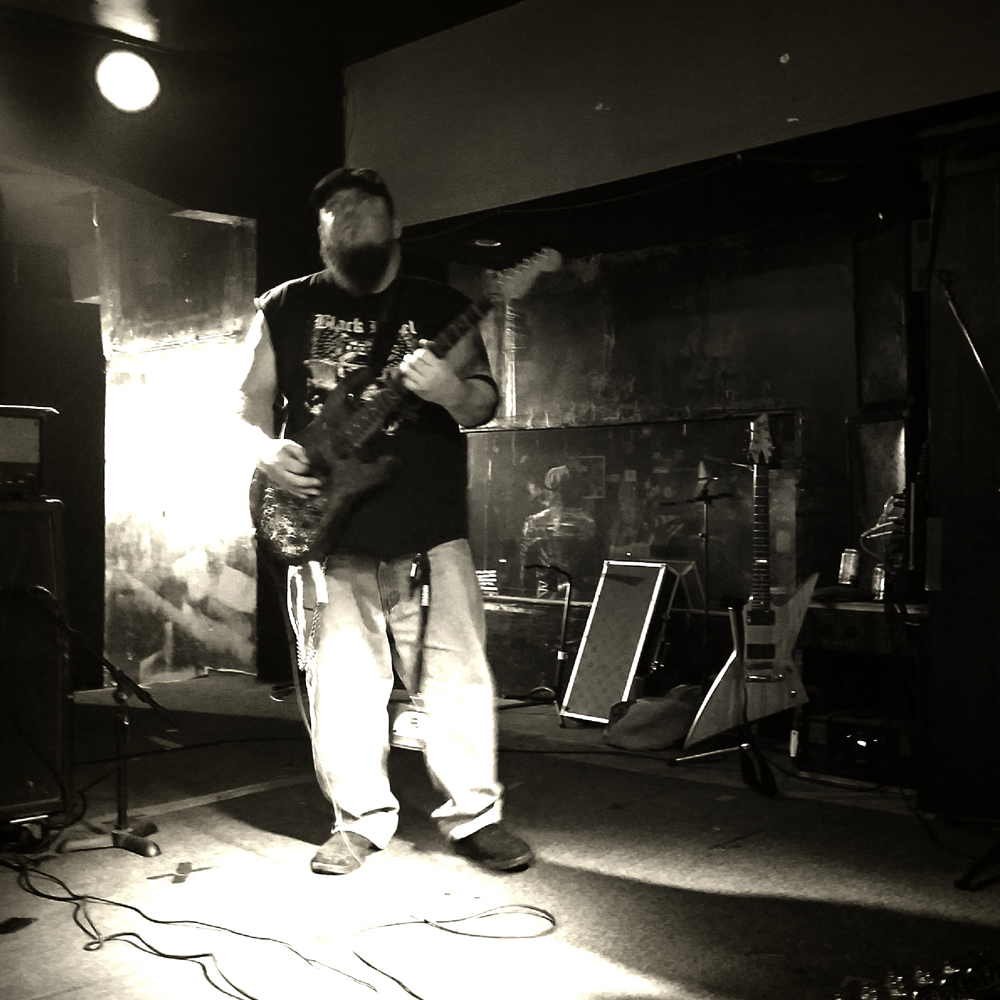
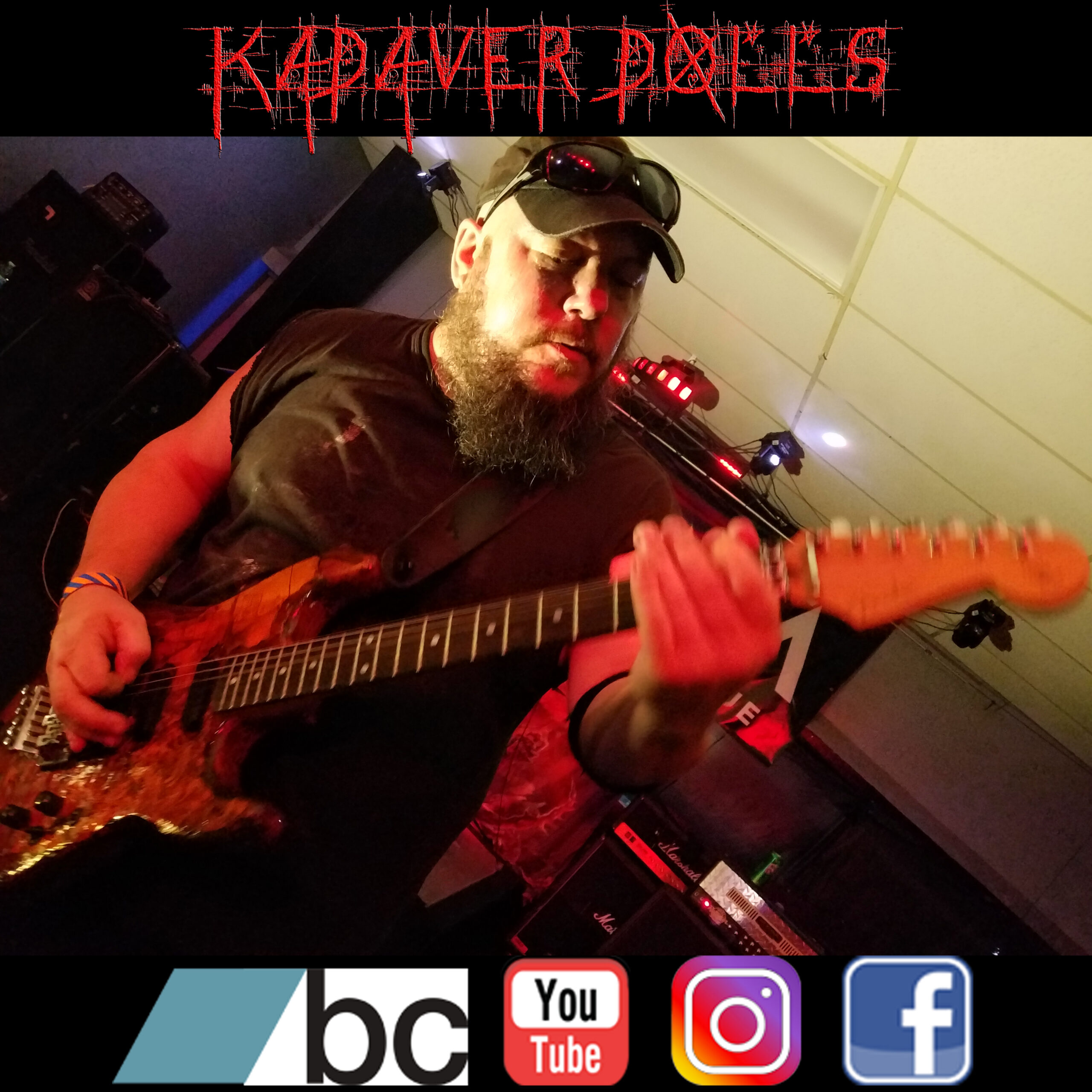
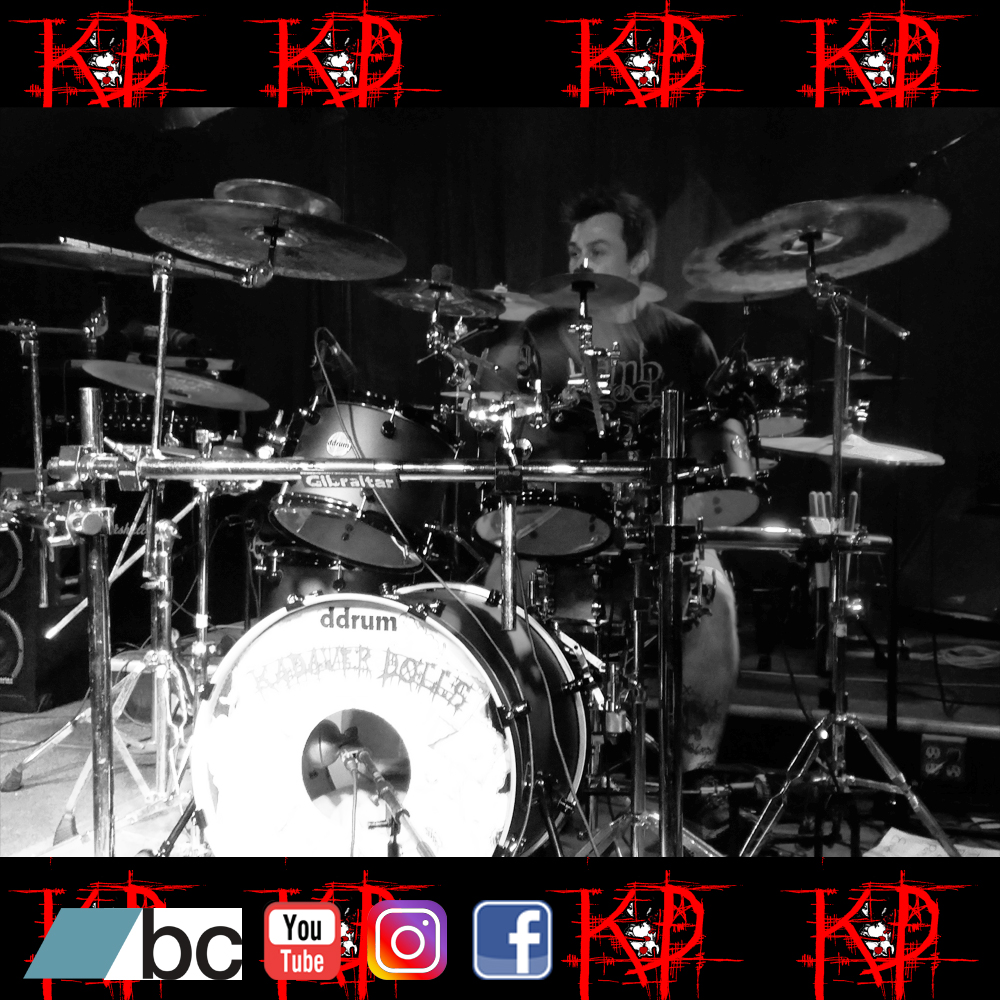
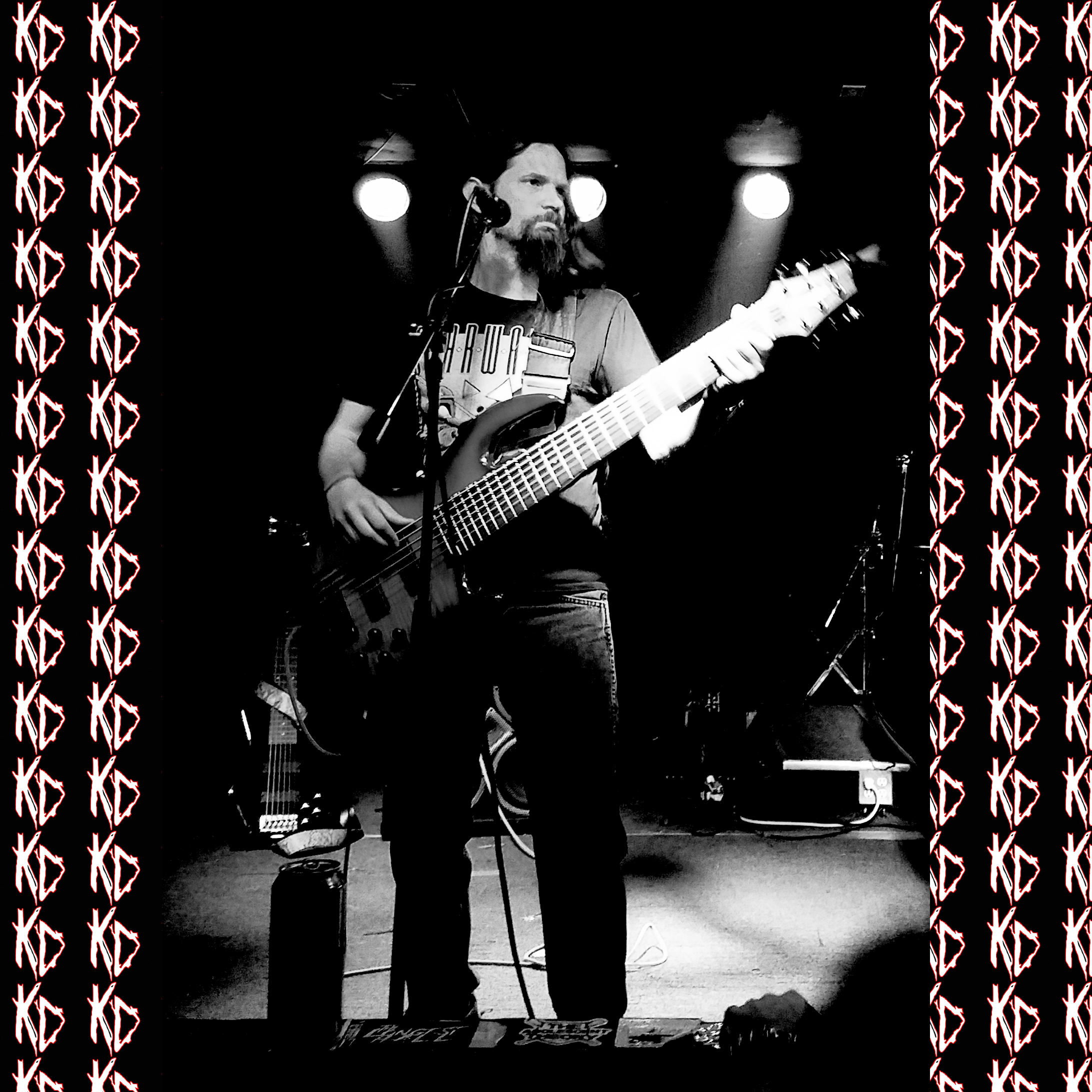
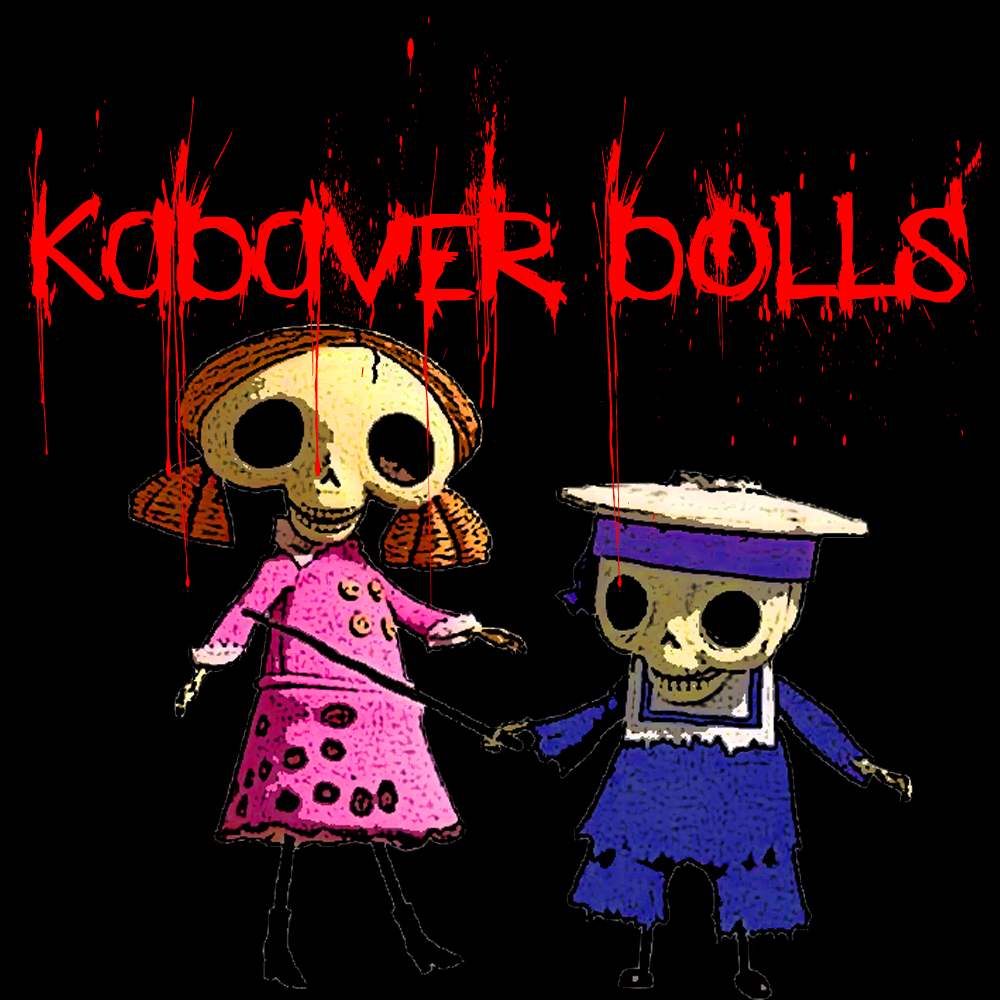
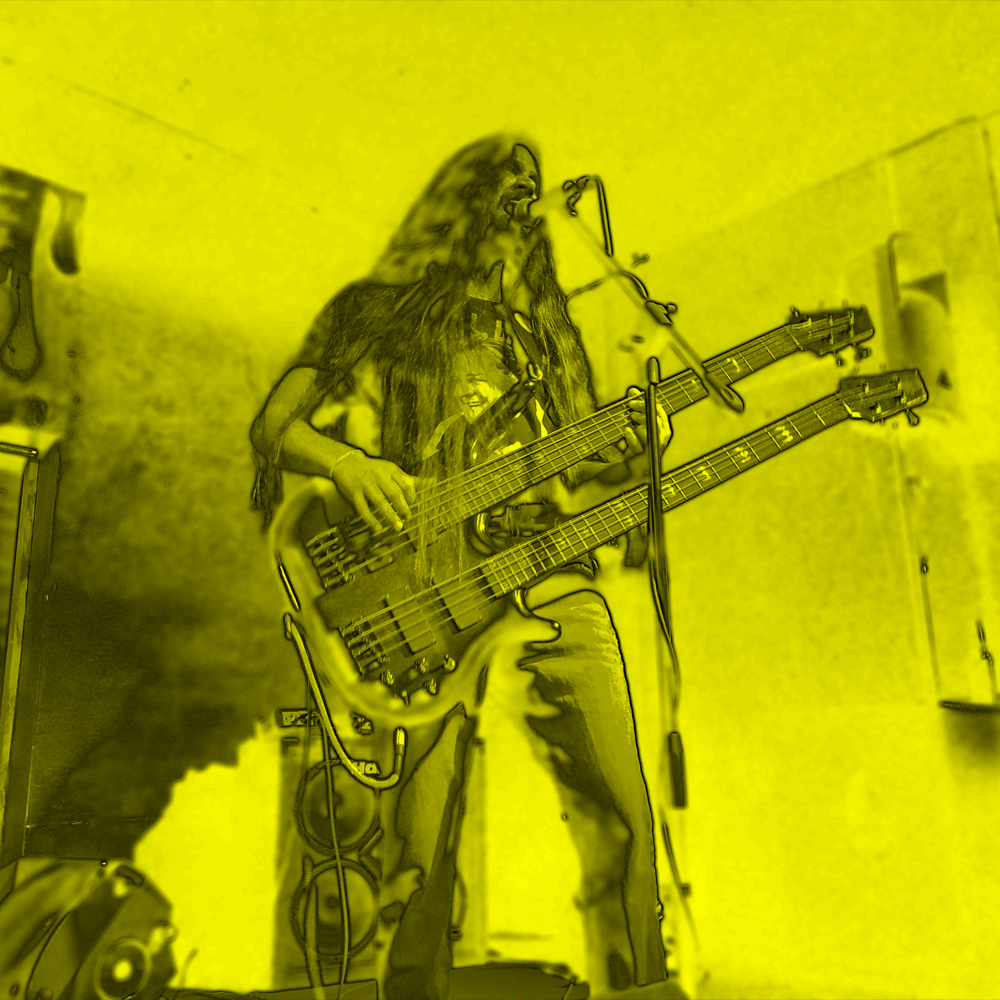
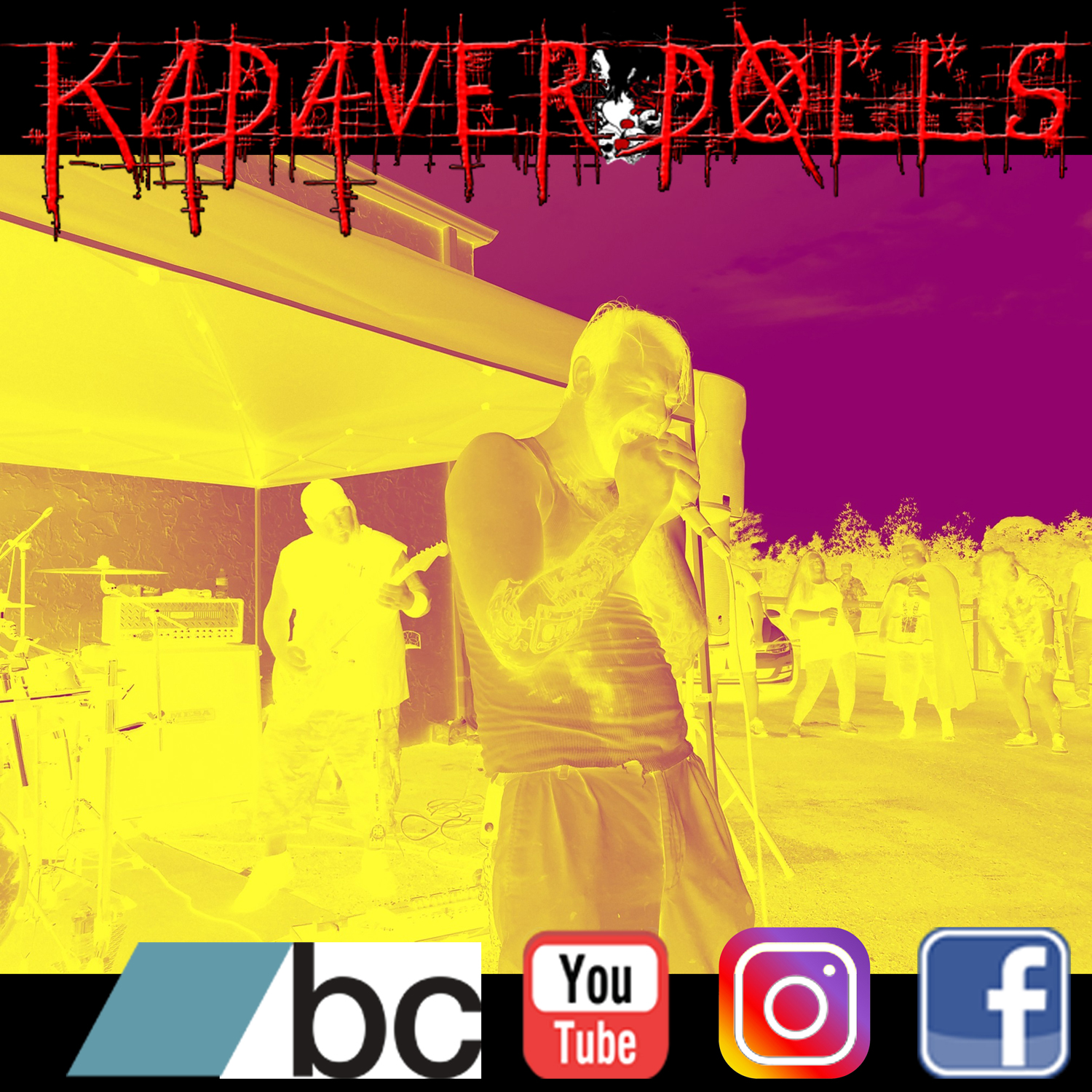
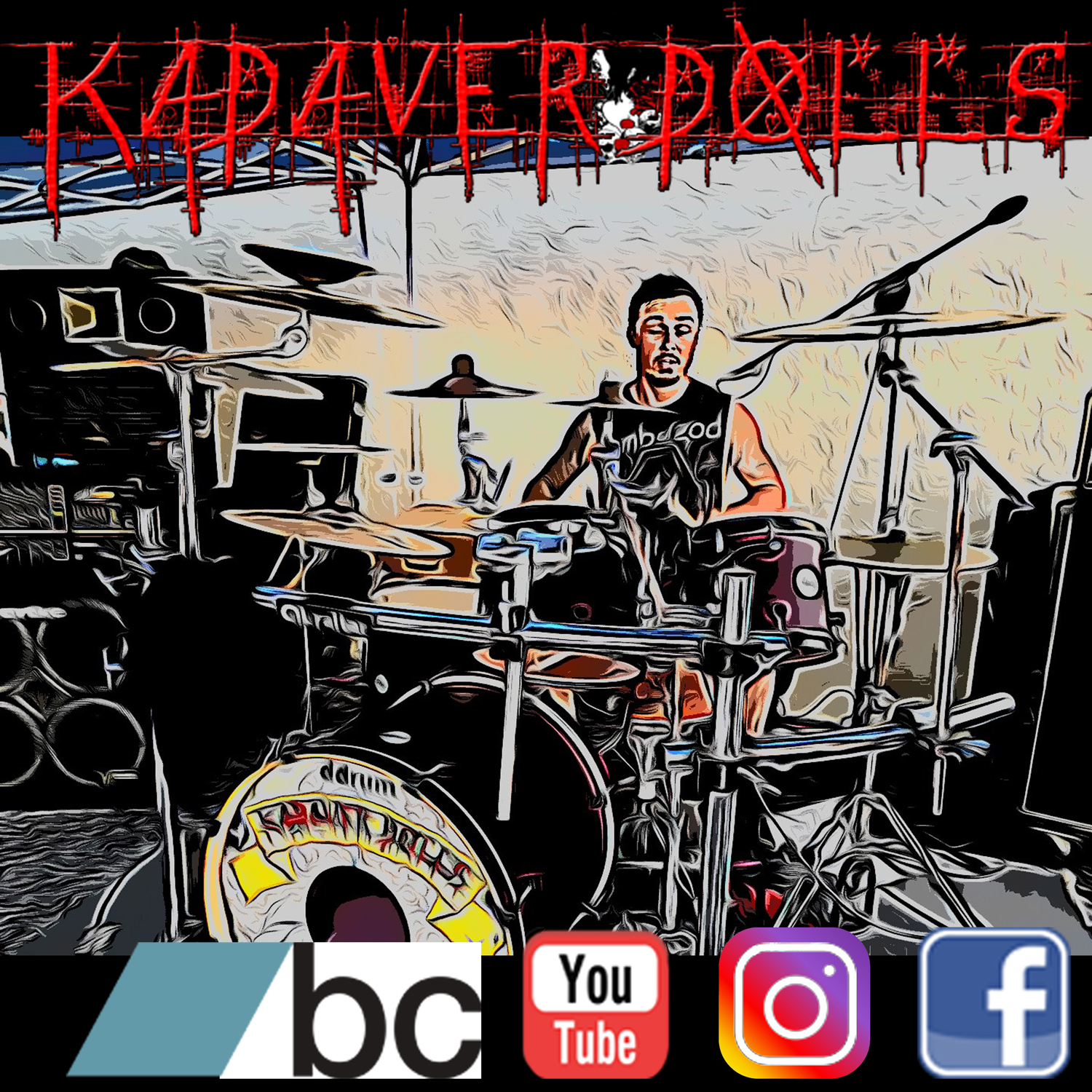
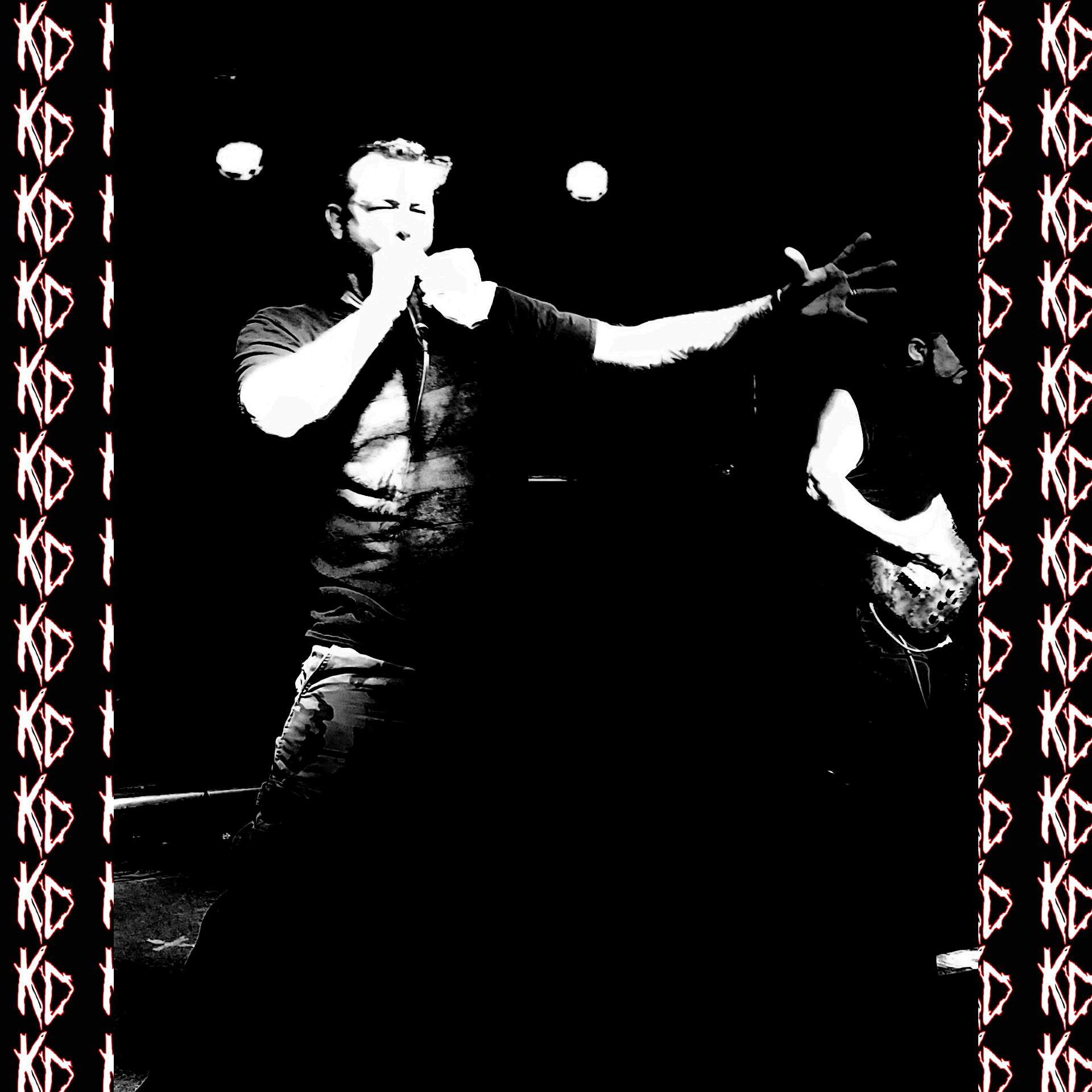
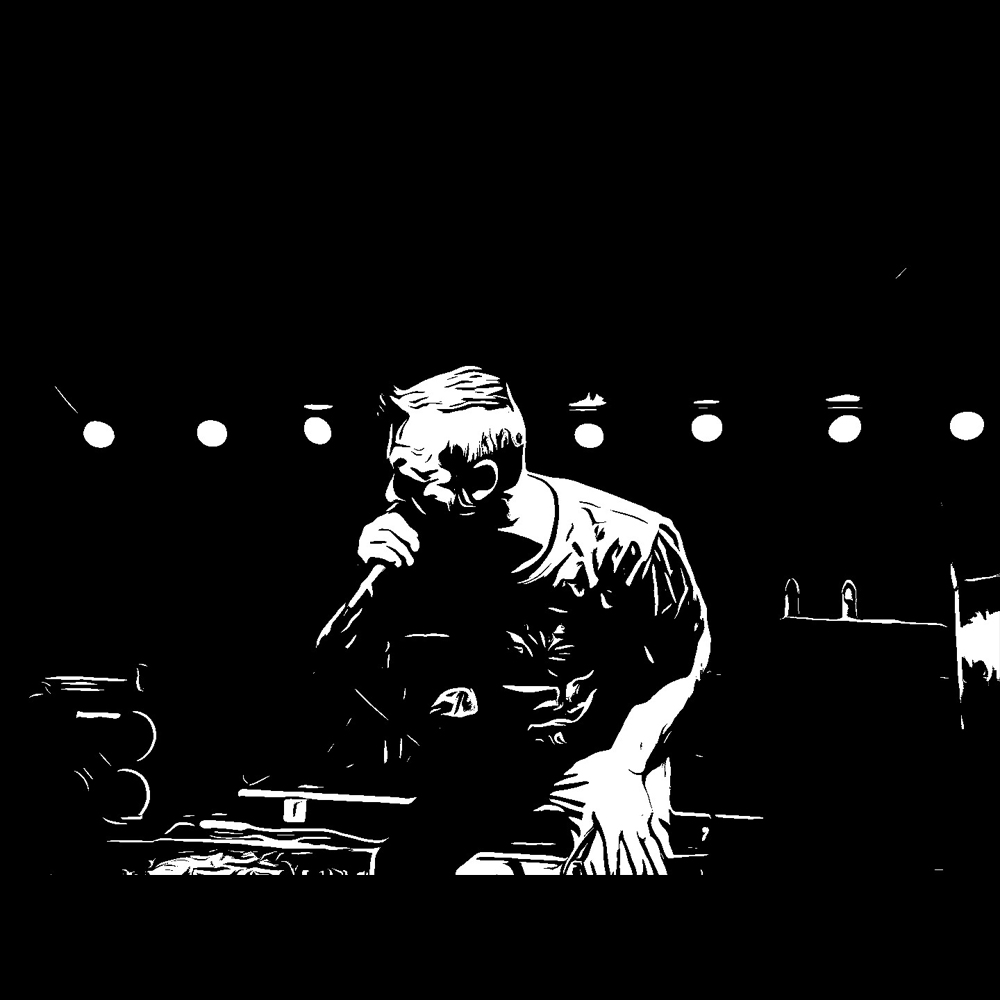
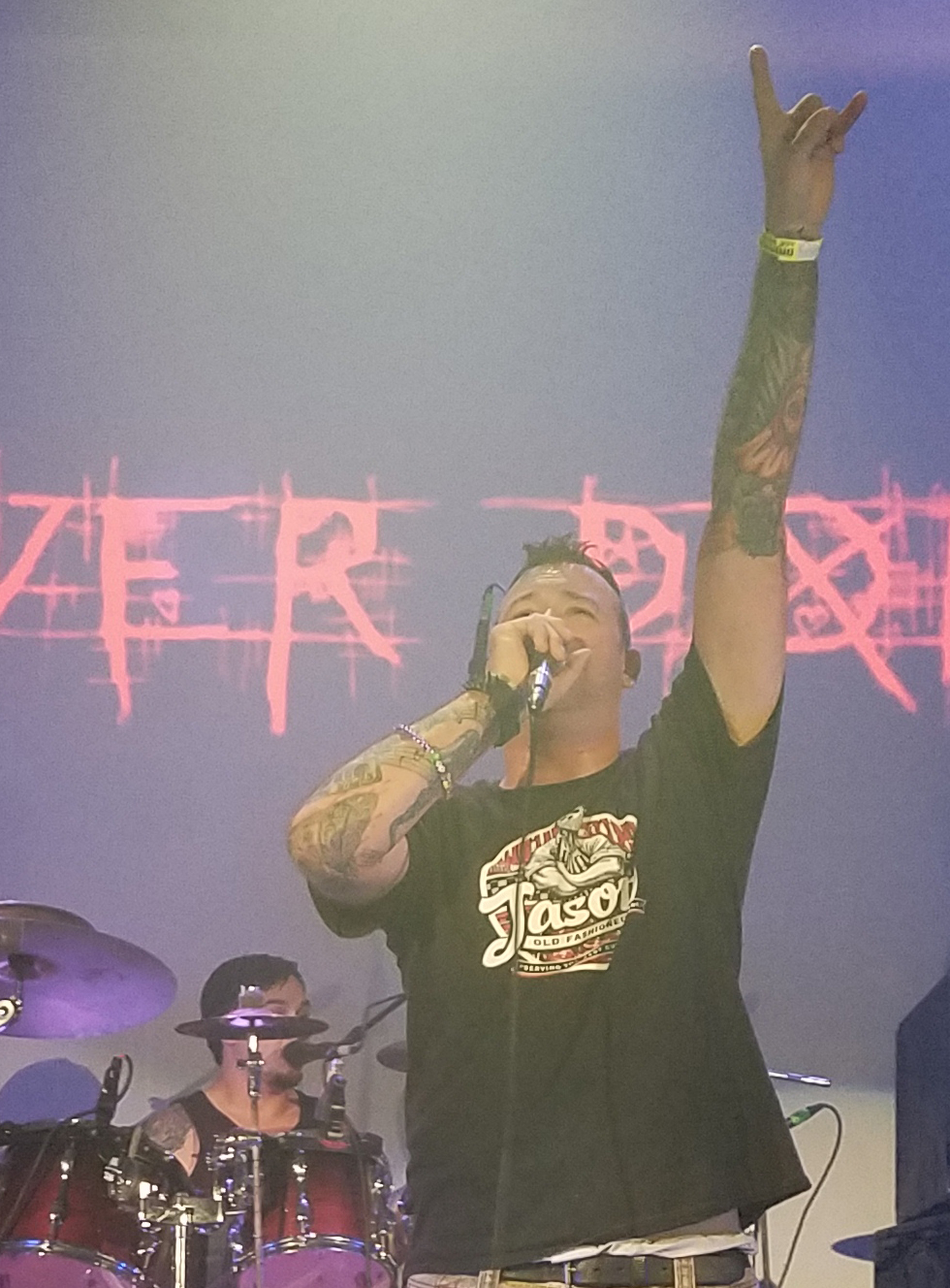
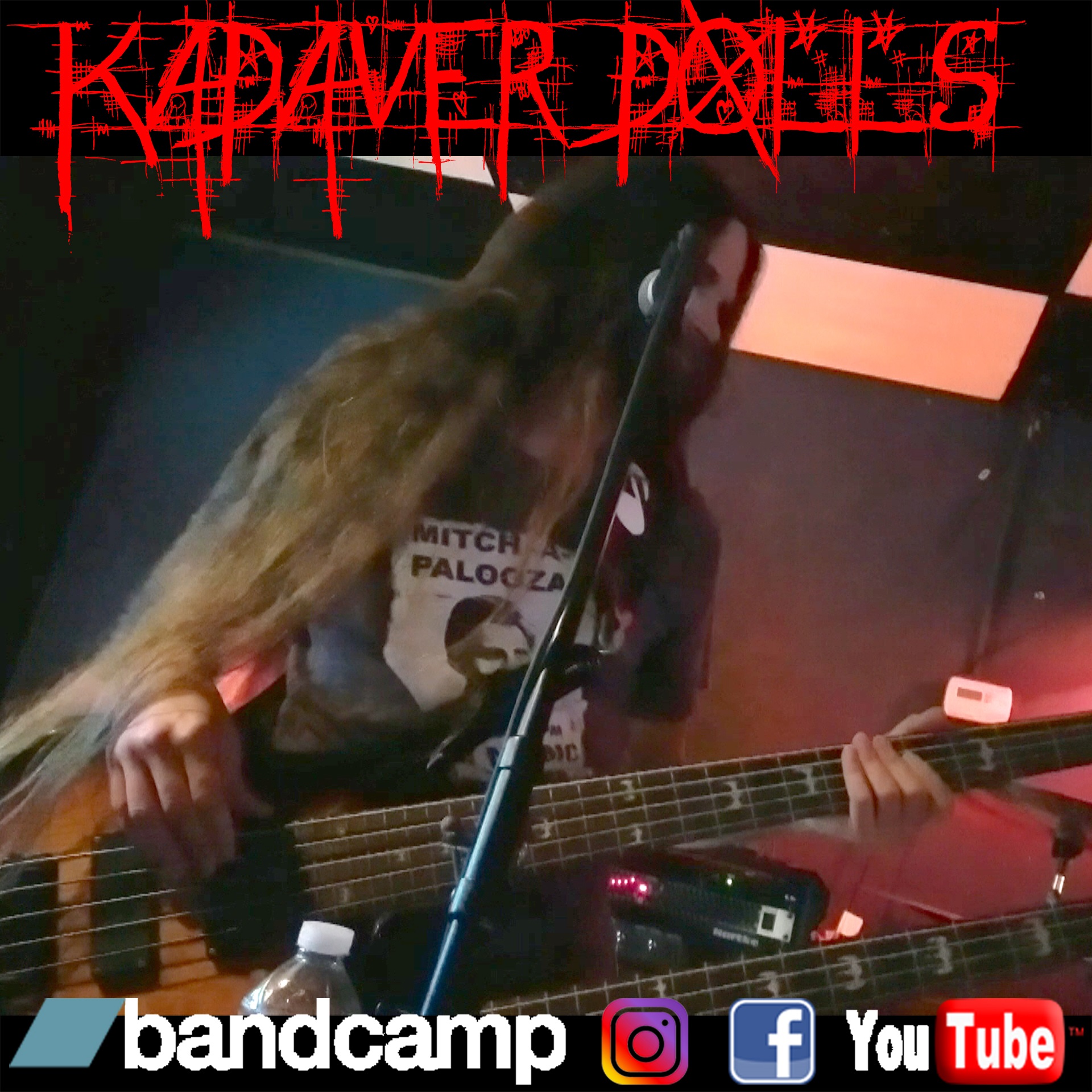
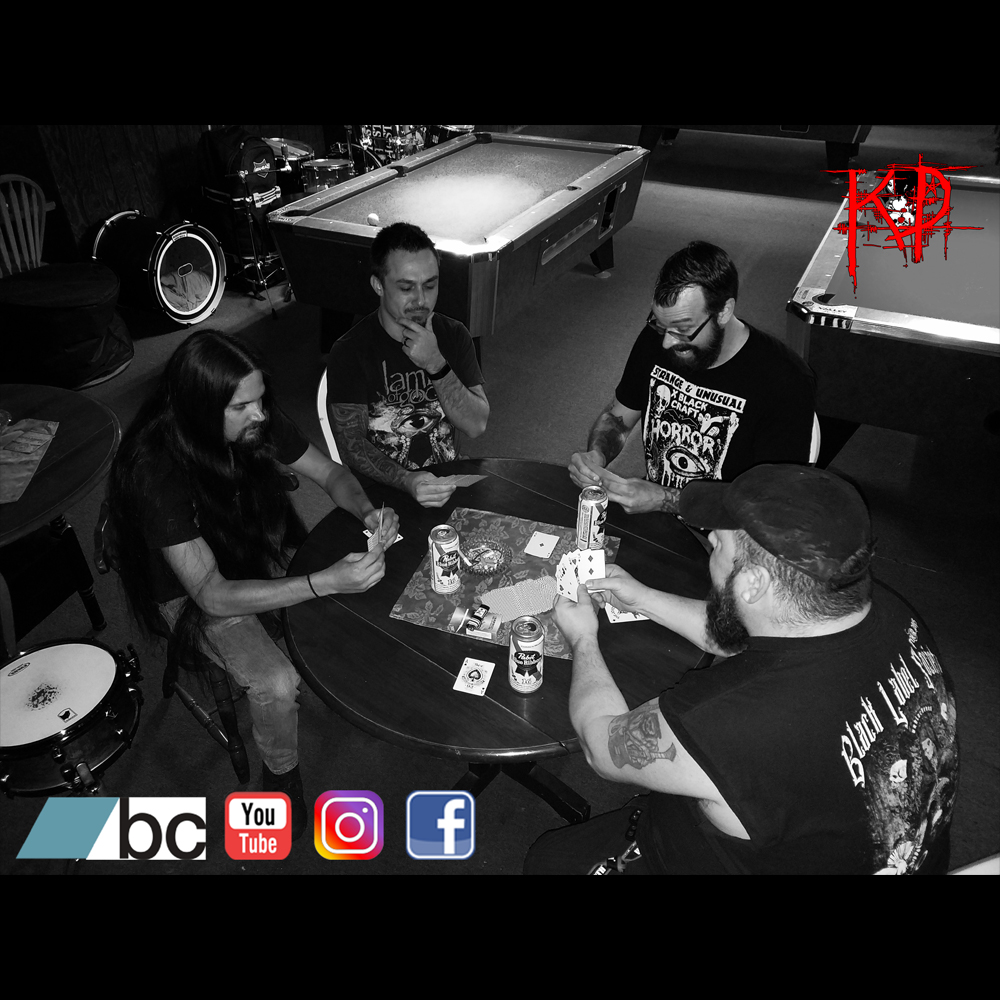
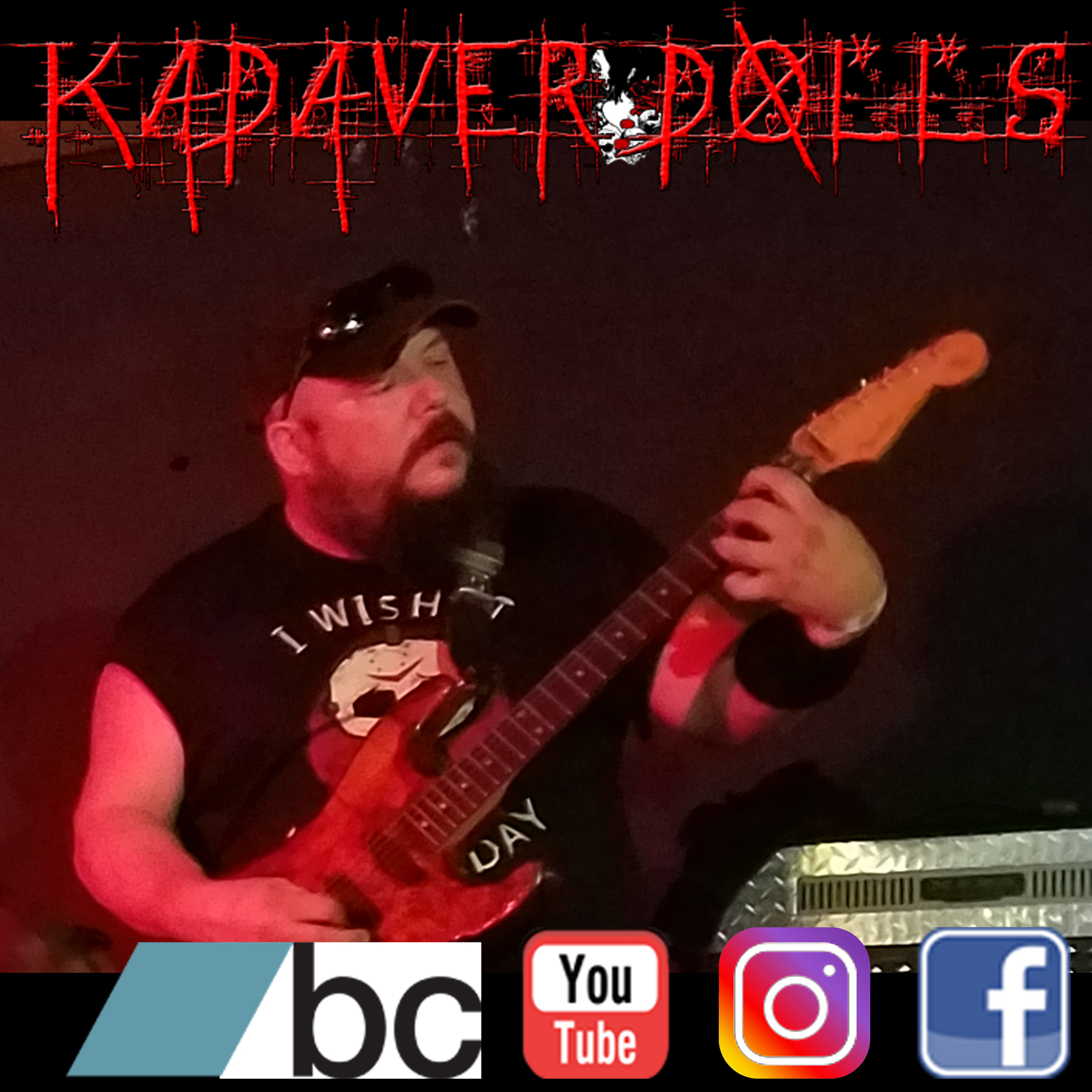
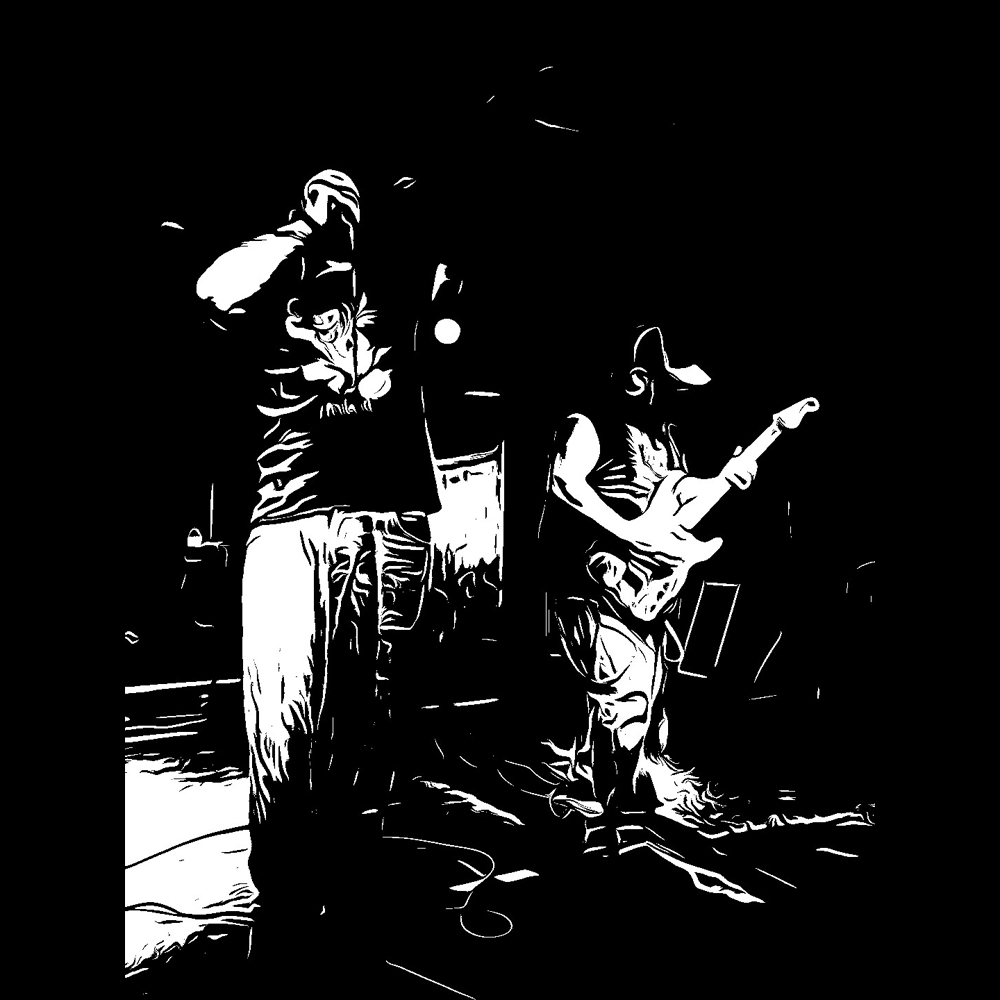
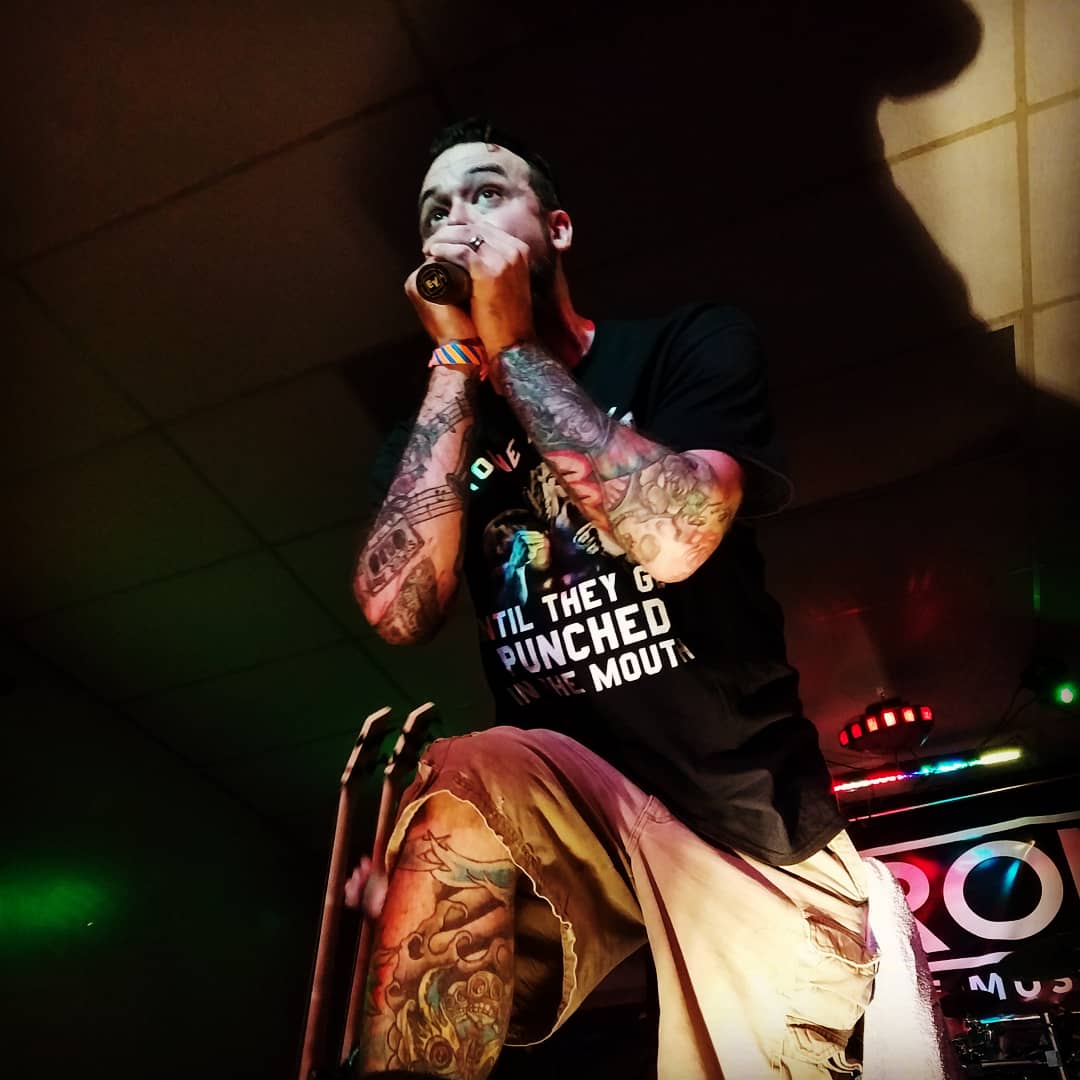
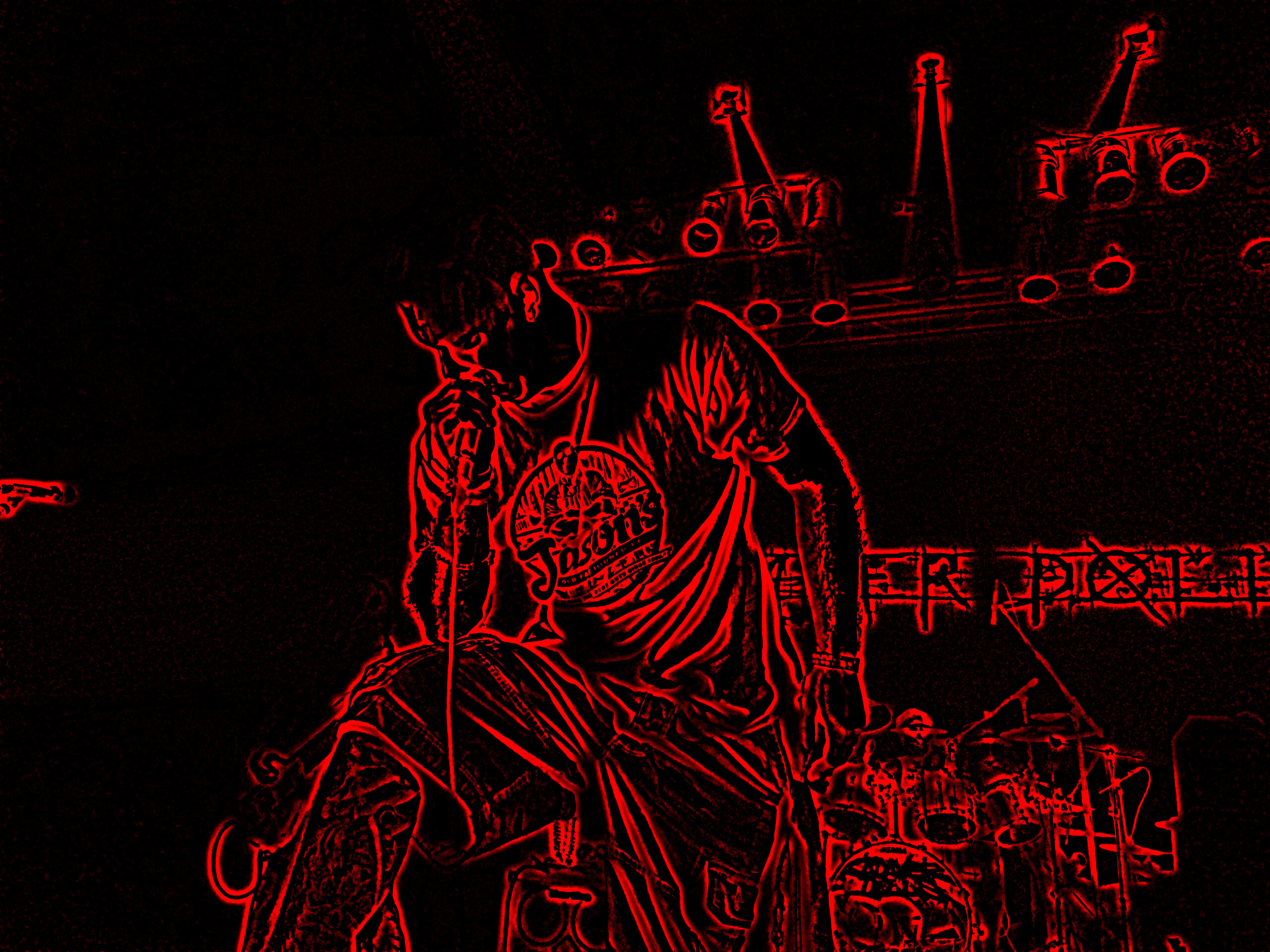
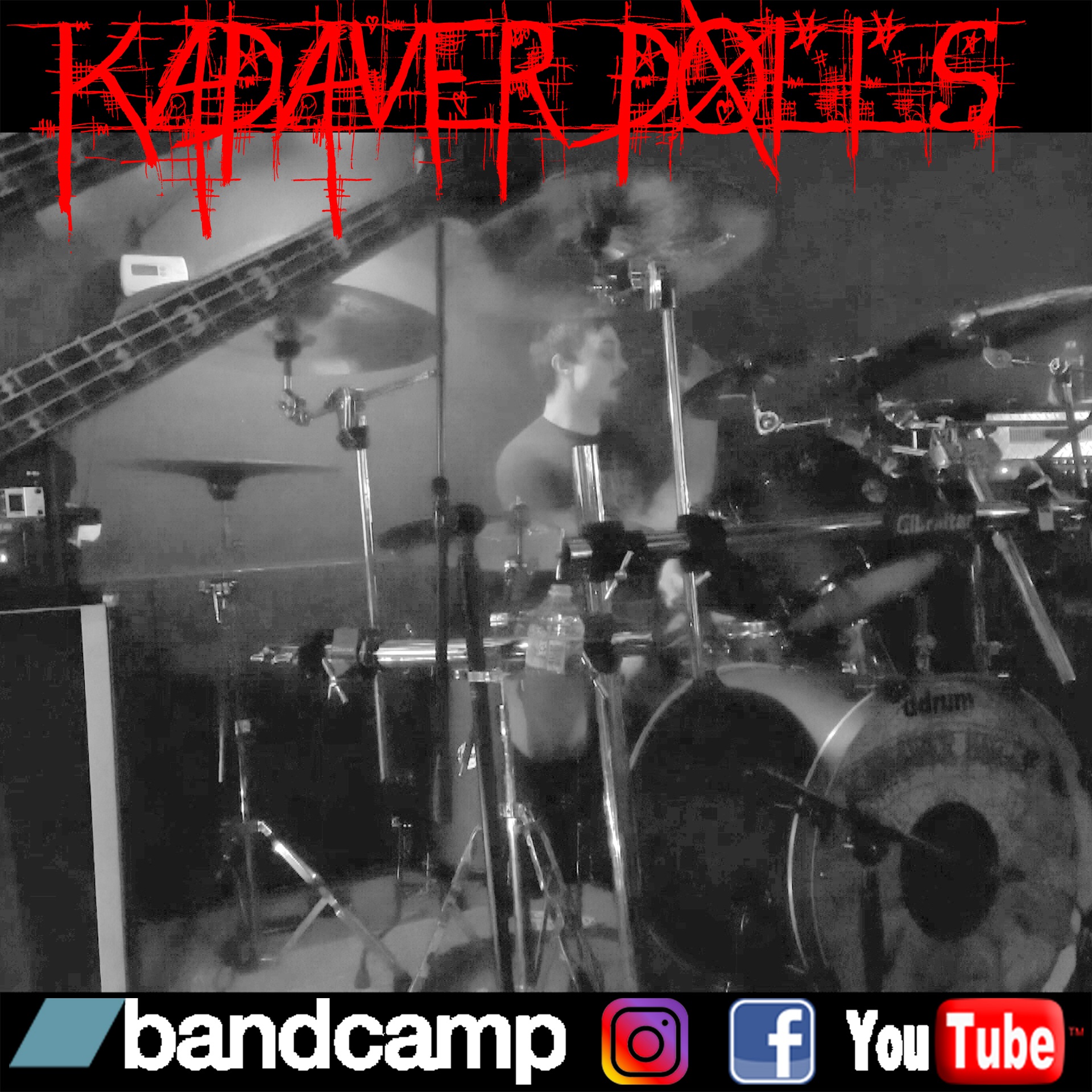
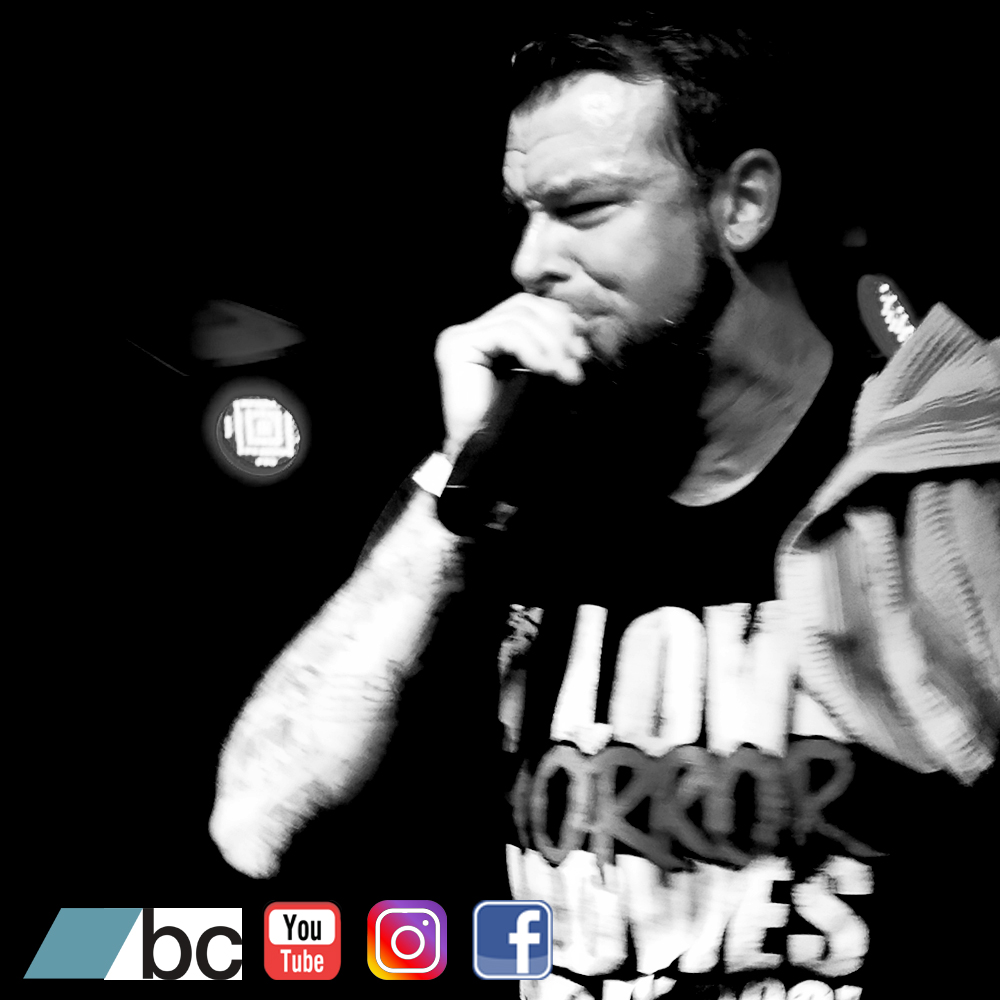
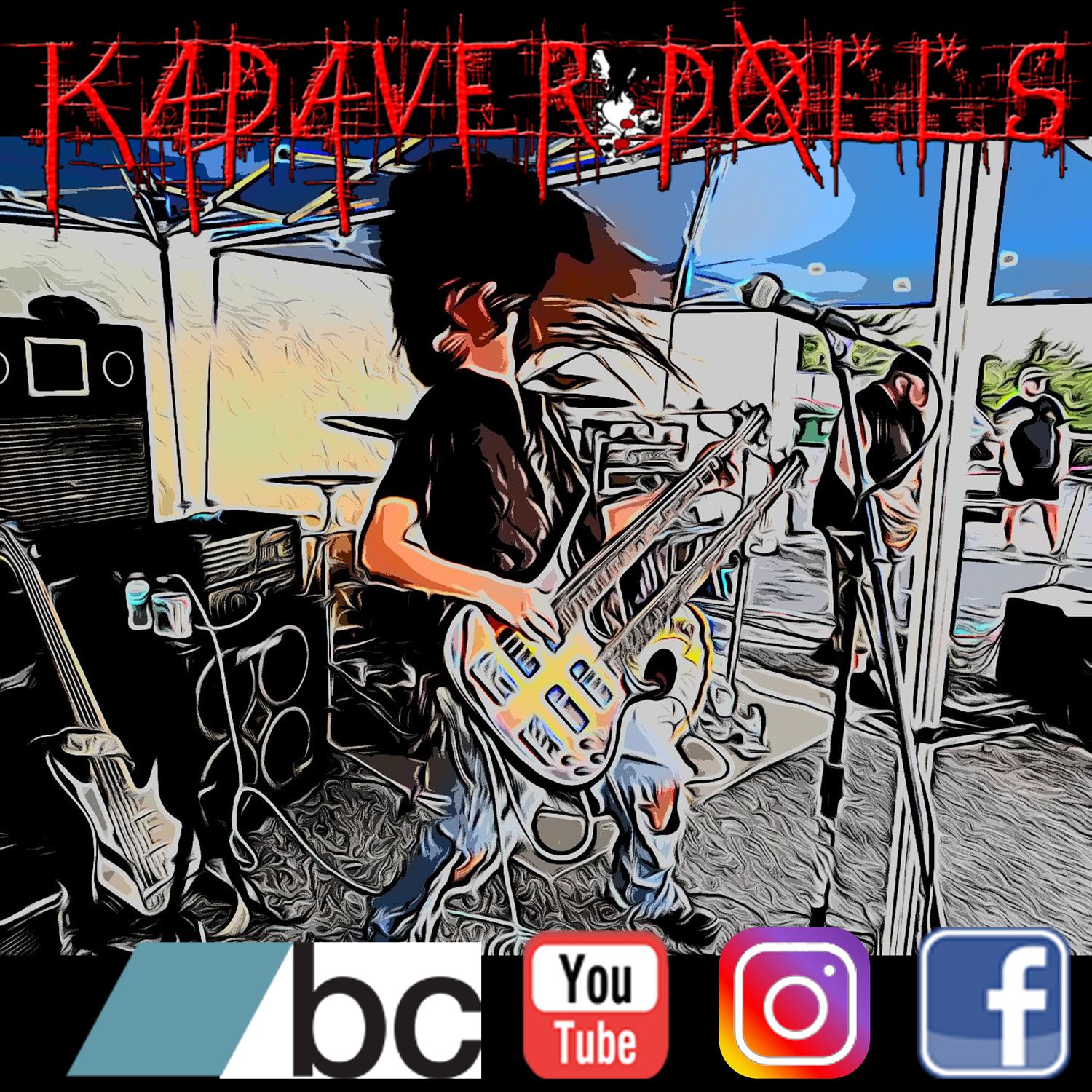
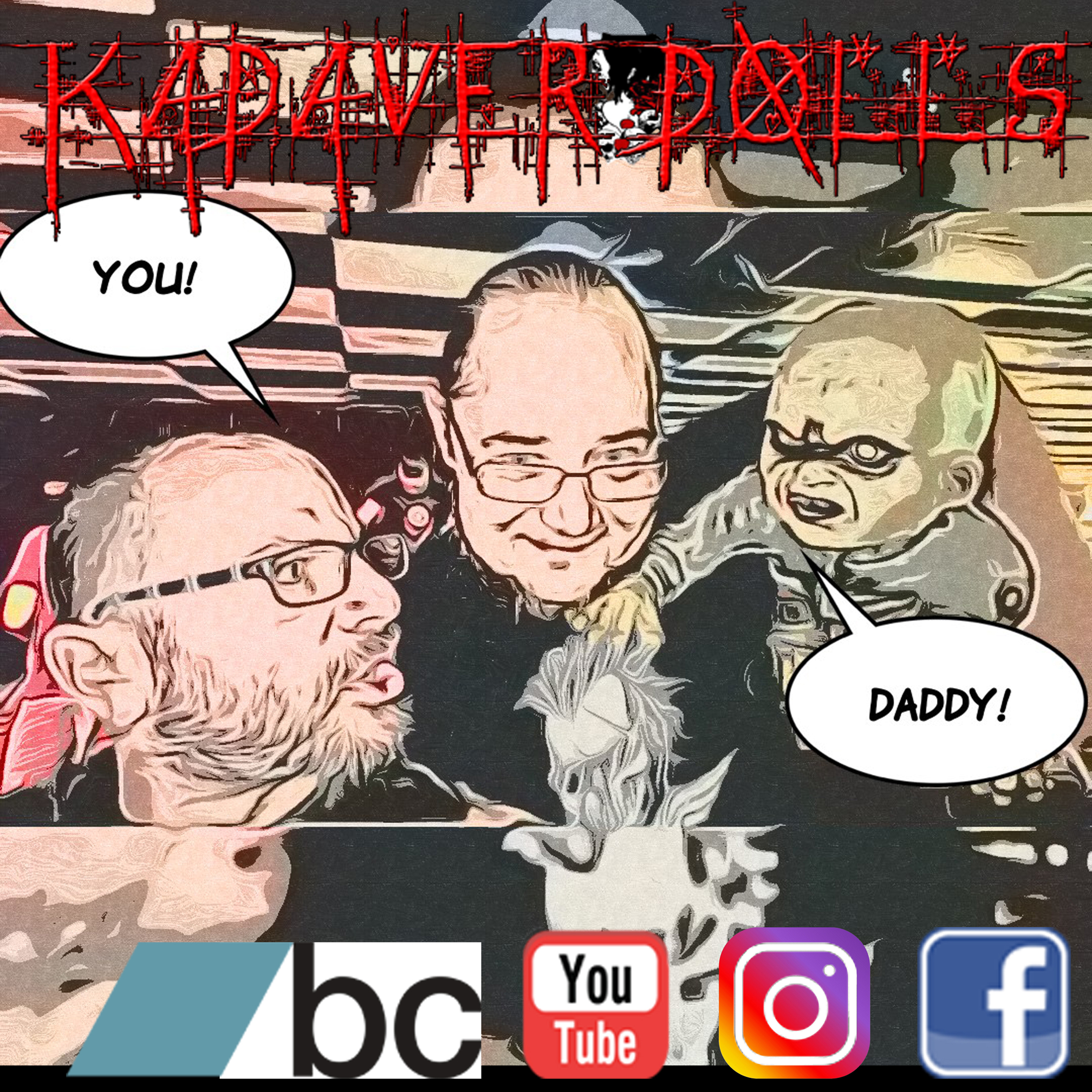
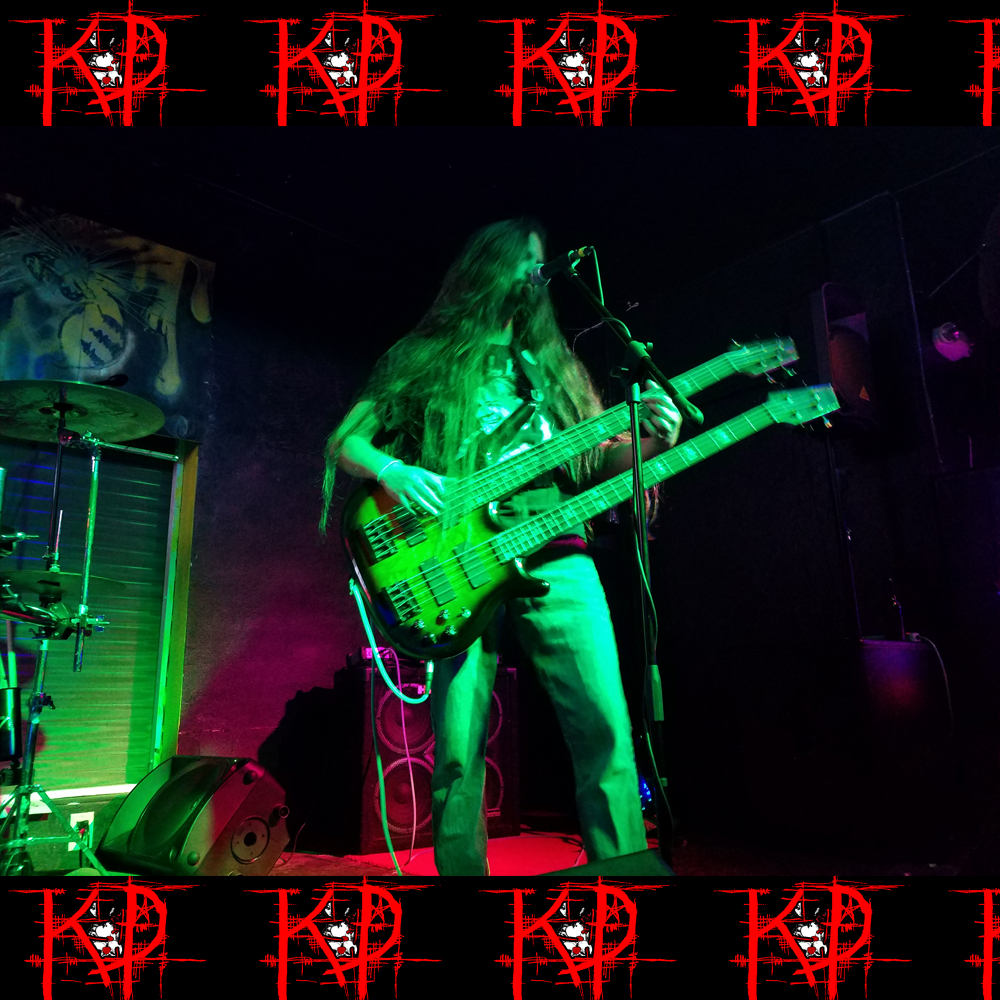
A recurring theme throughout most of my creative work has been figuring out what I can do with what I have, rather than obsessing over what I don’t. My design work has included graphics for websites, video productions, promotional materials, music-related projects, and visual representations of my own writings. More recently, I’ve incorporated artificial intelligence tools into the process. AI can generate an image in seconds. Getting it to generate the image you actually envisioned is another matter entirely.
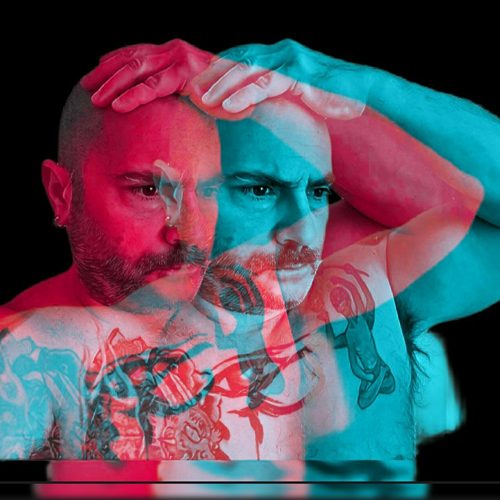
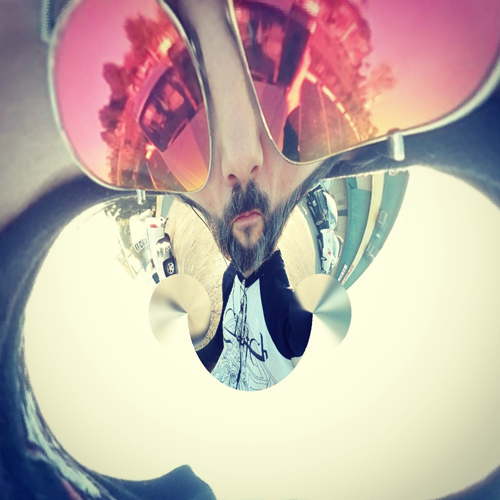
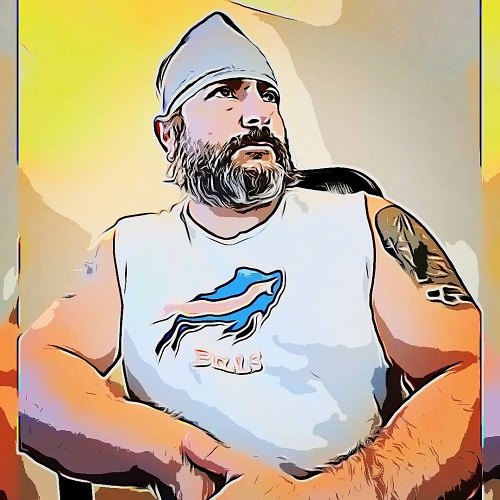
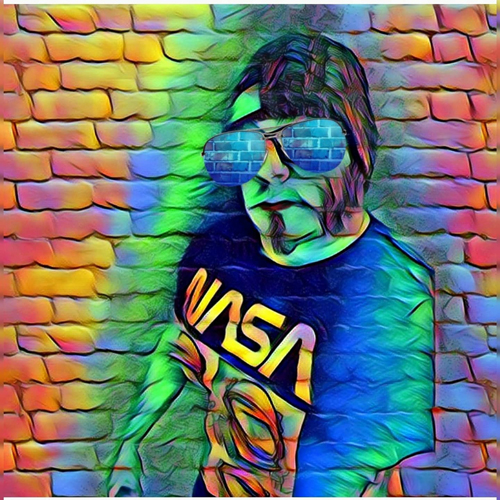
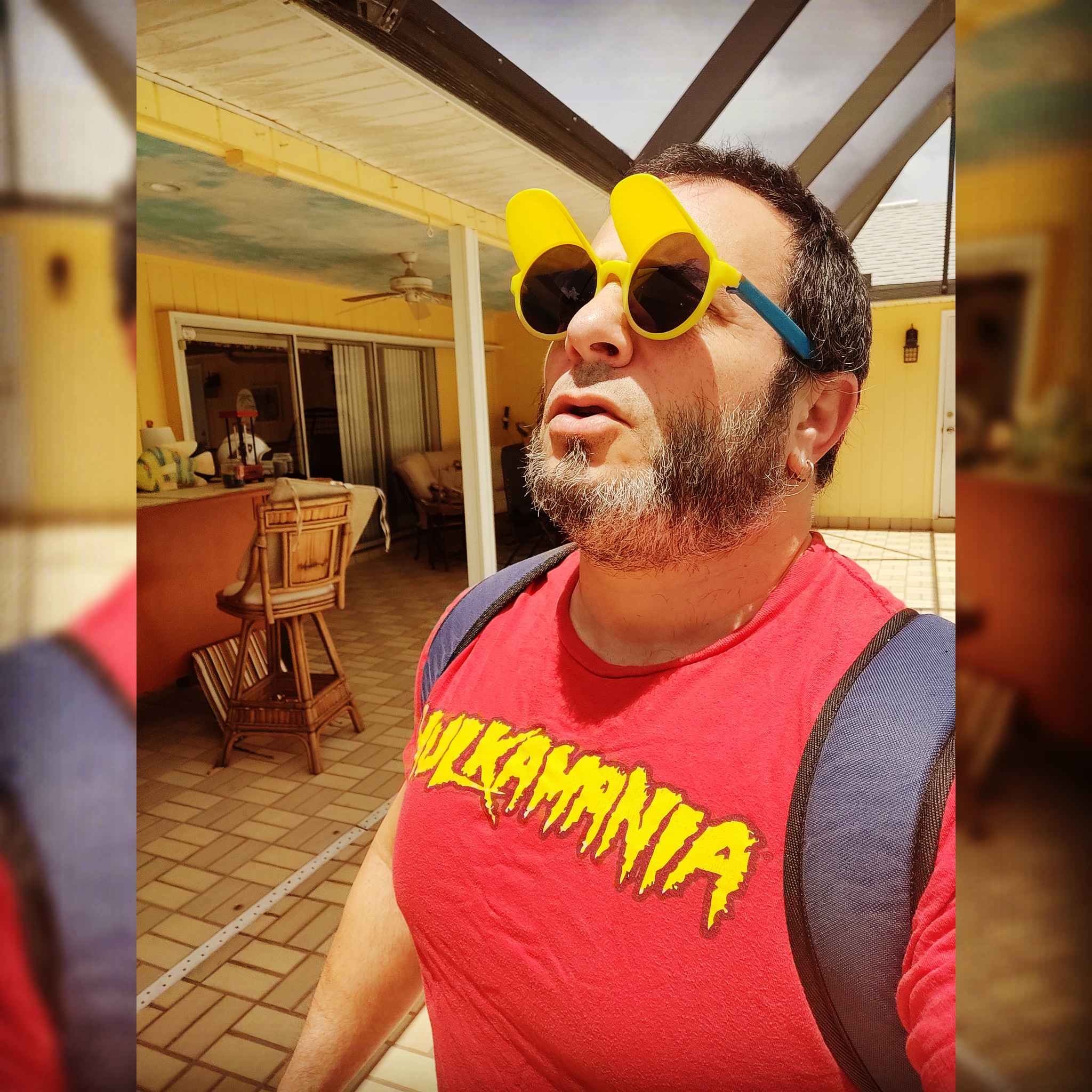
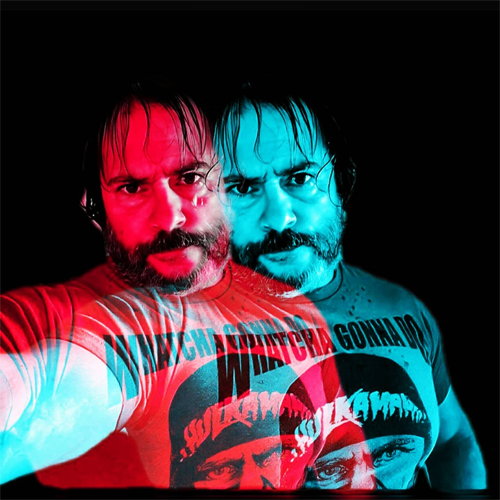
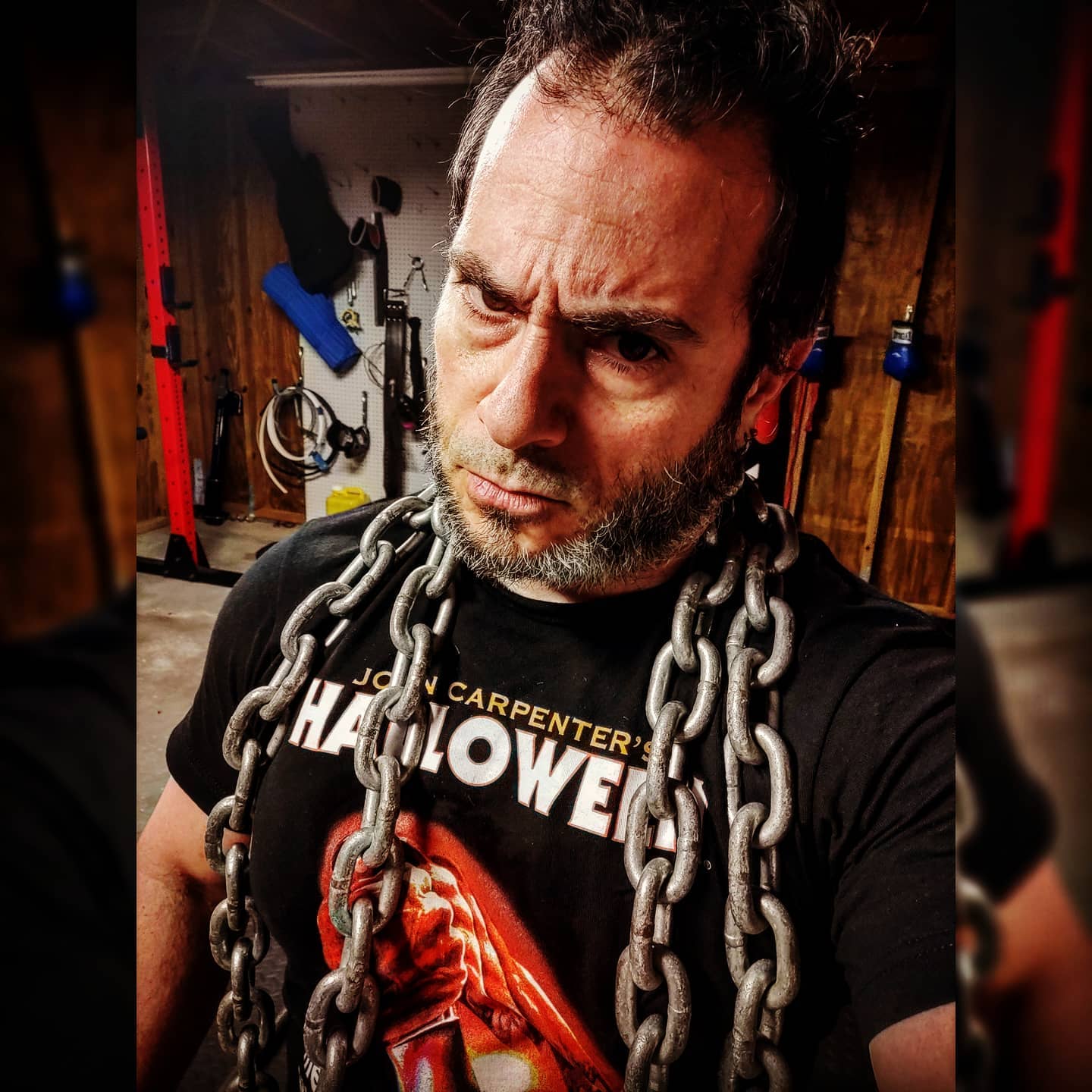
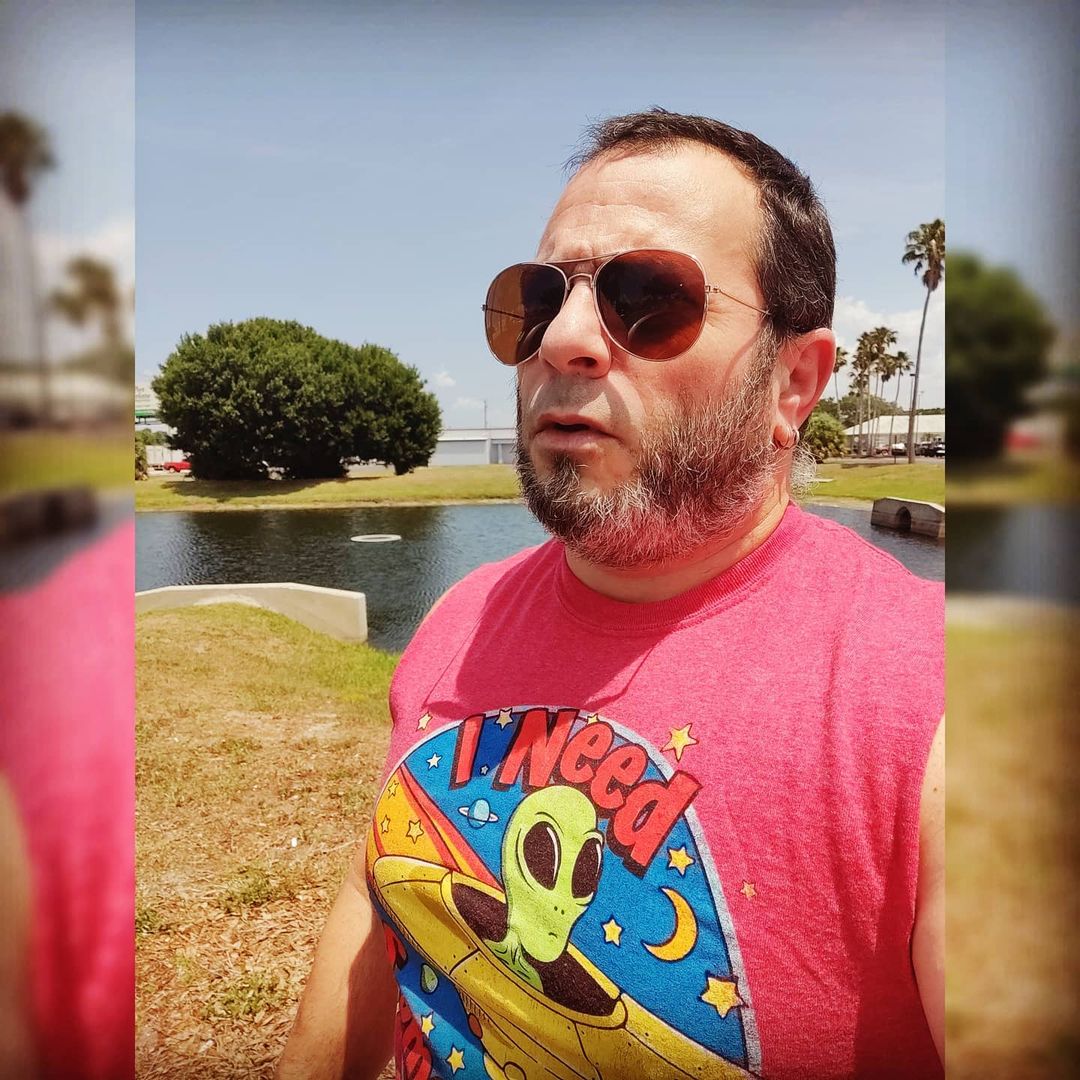
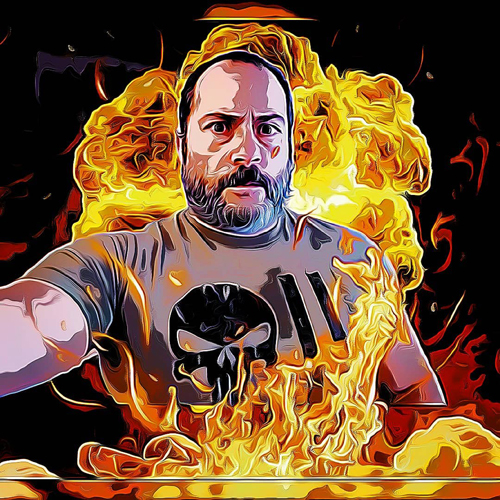
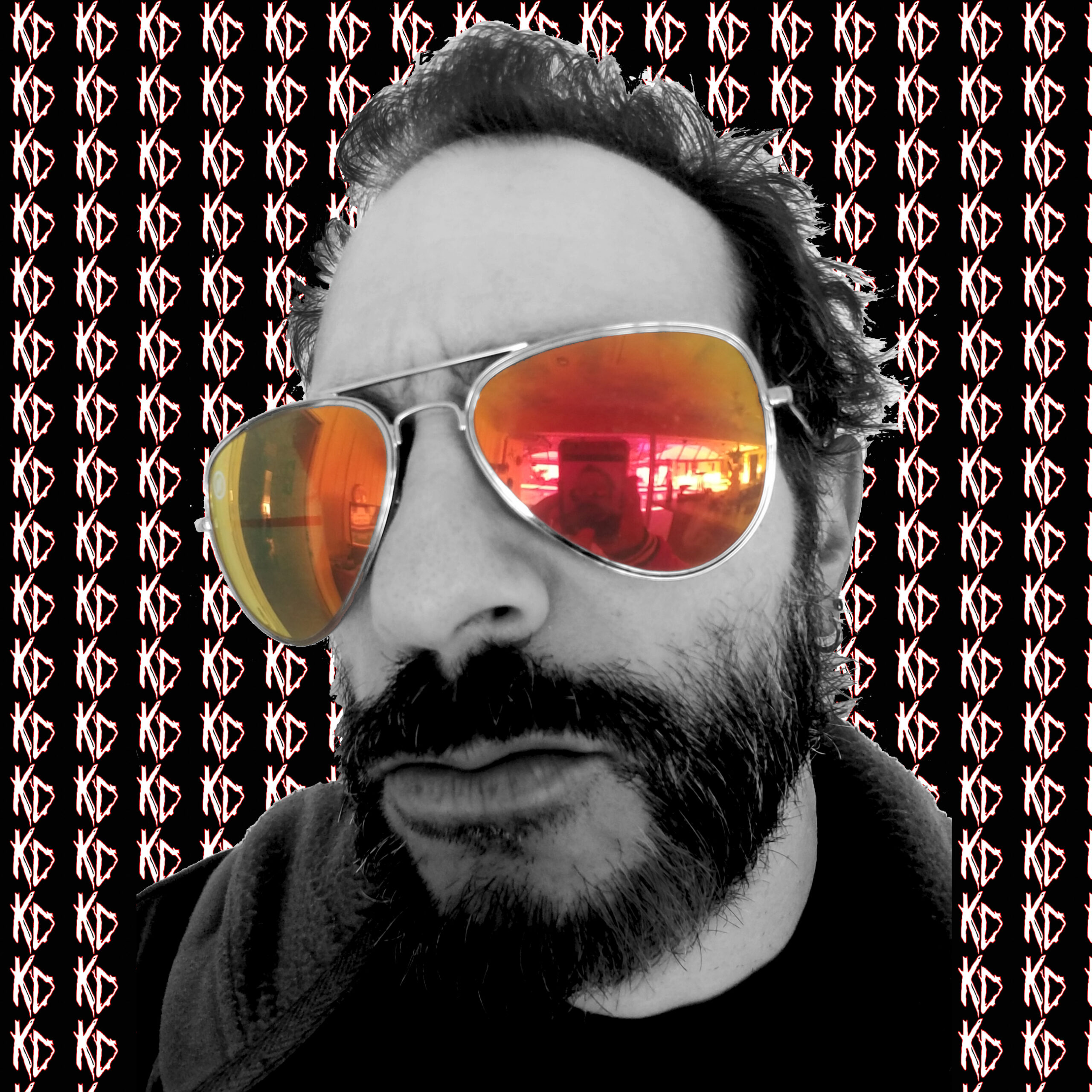
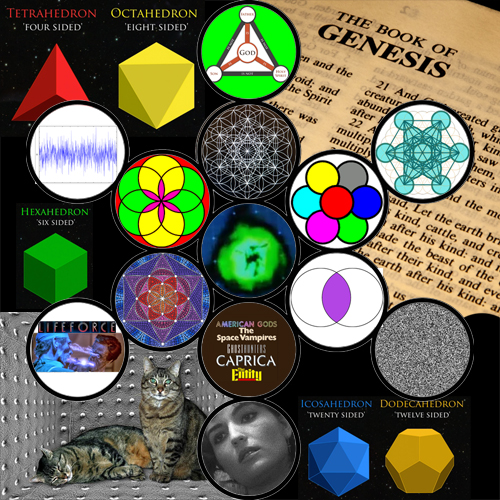
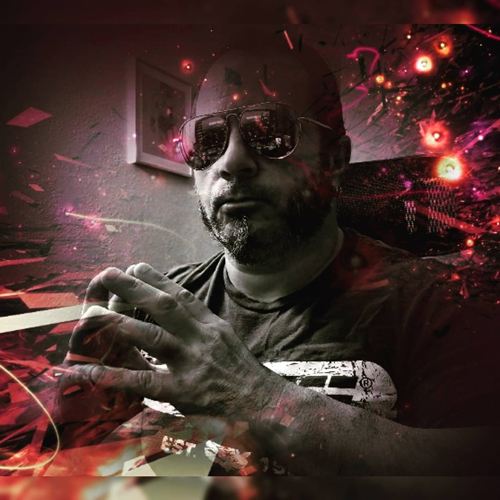
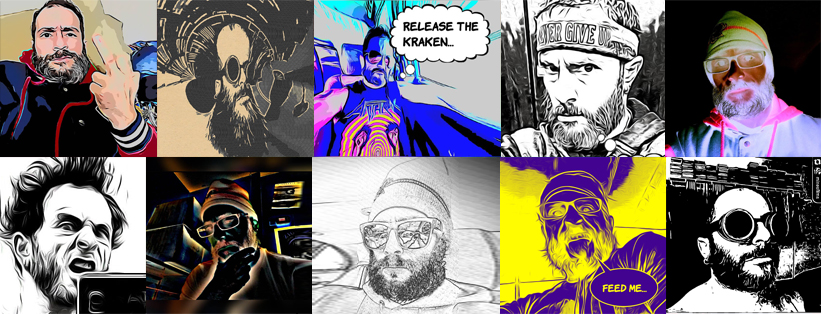
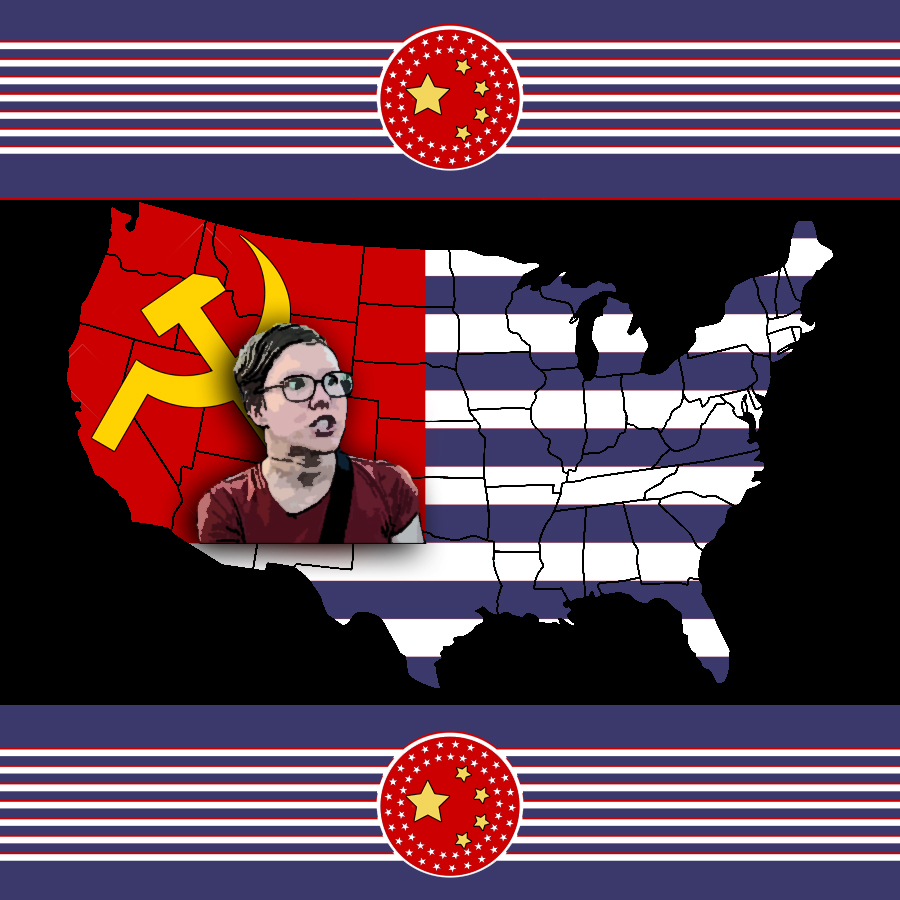
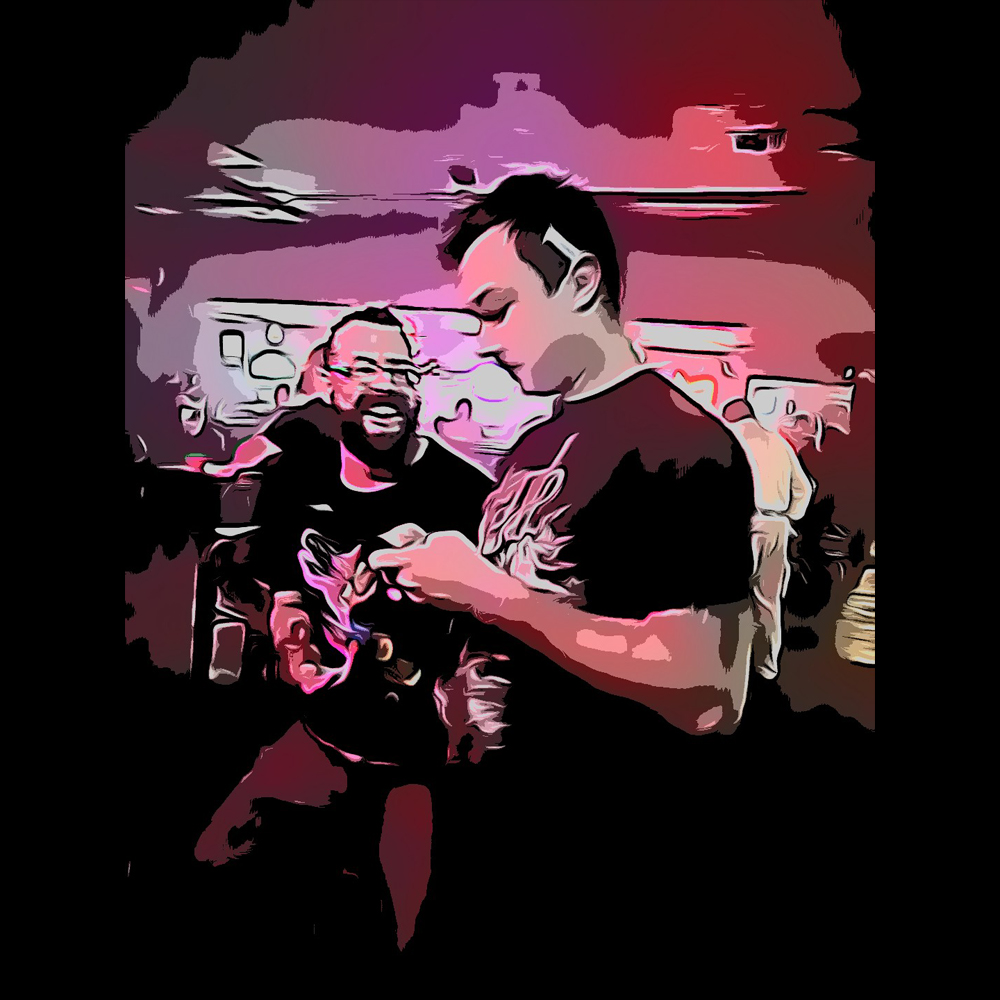
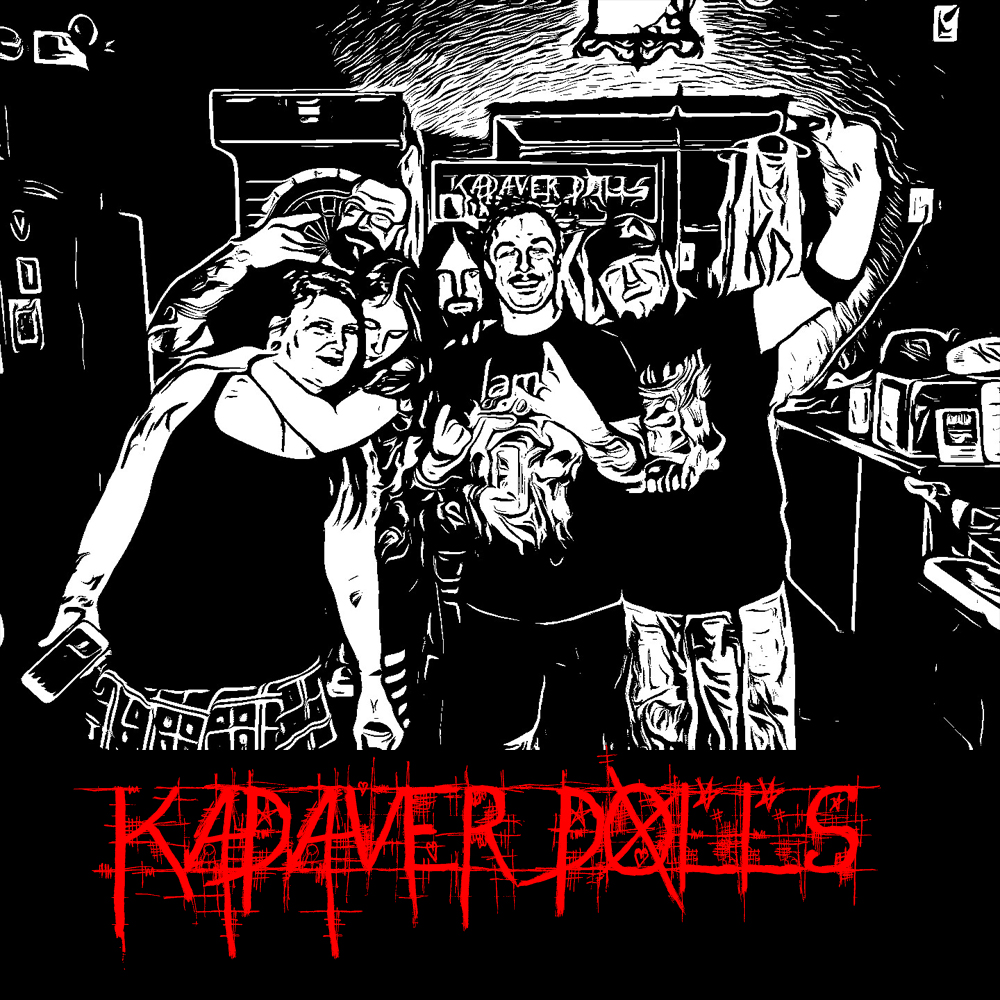
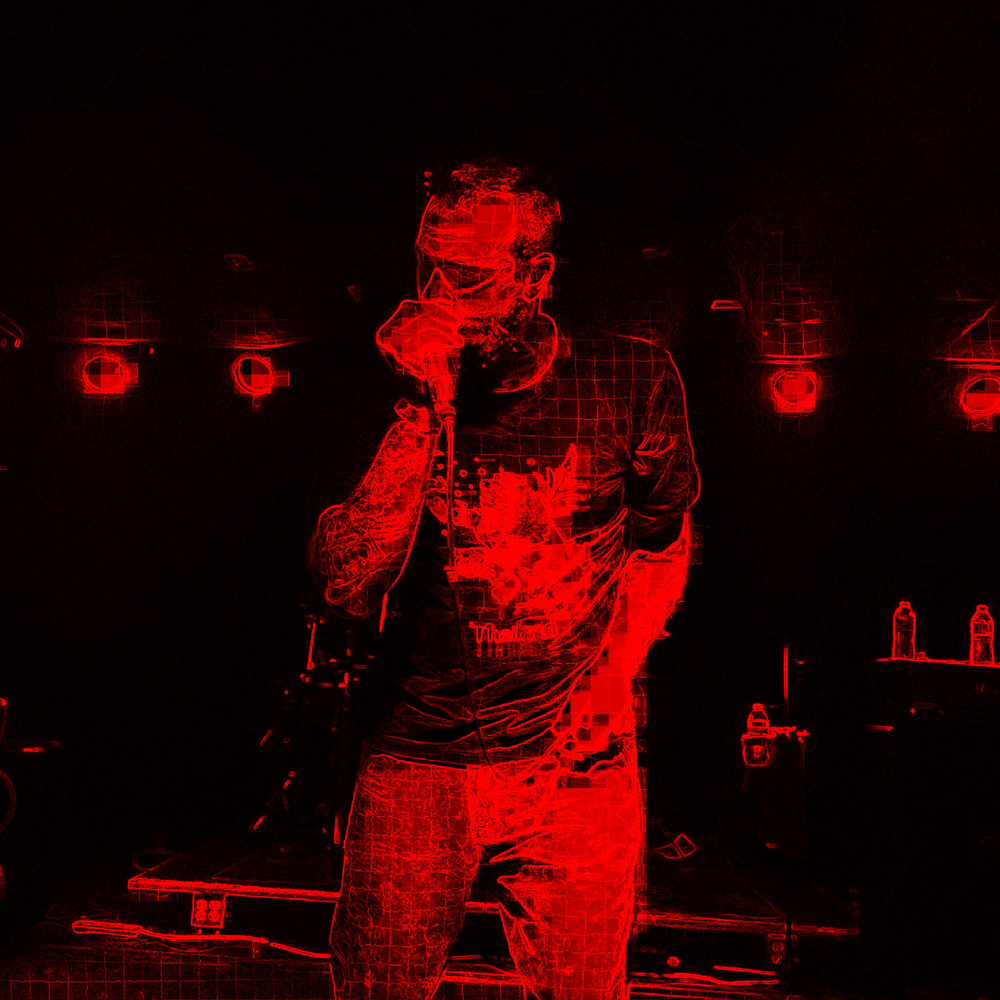
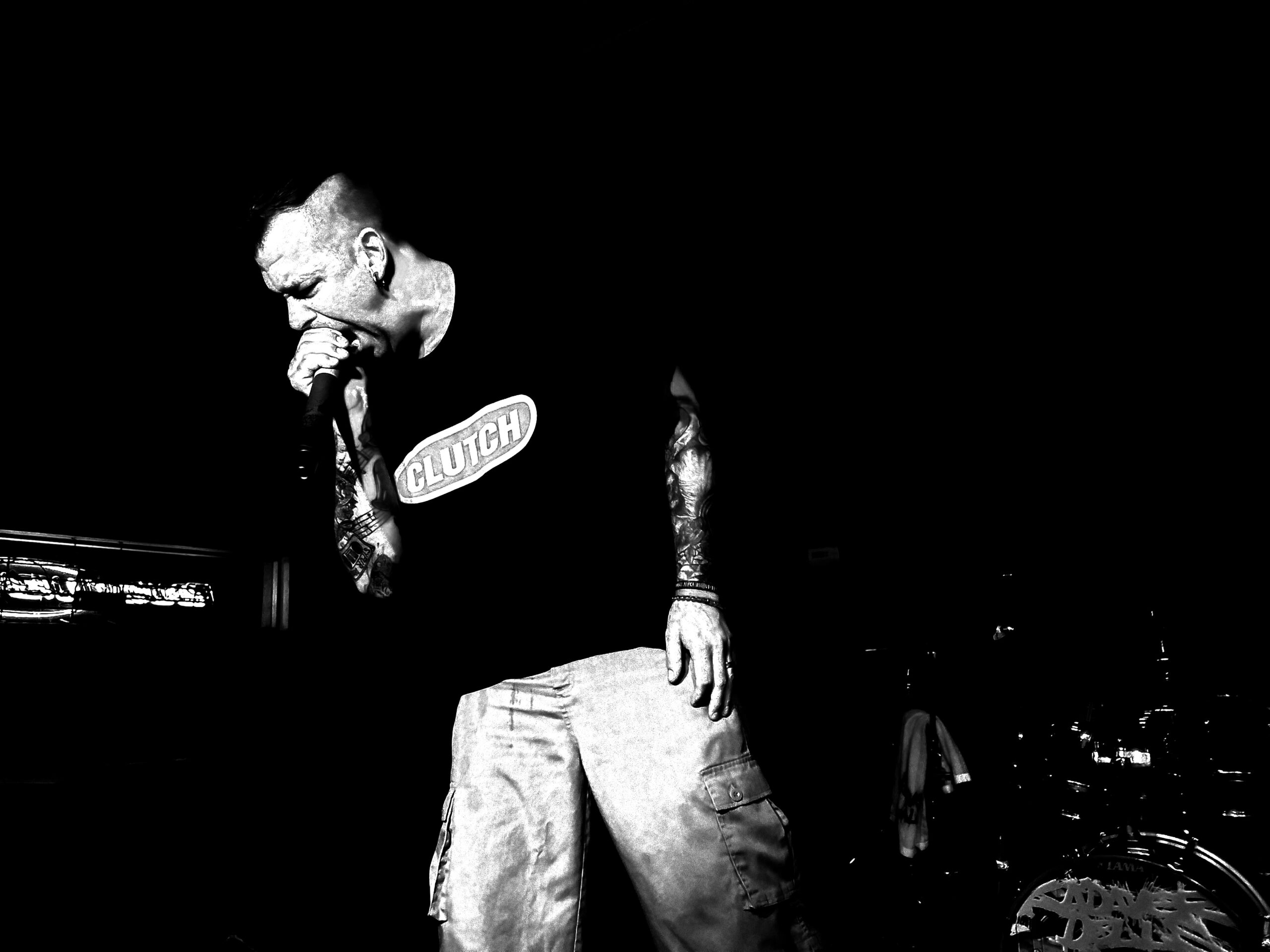
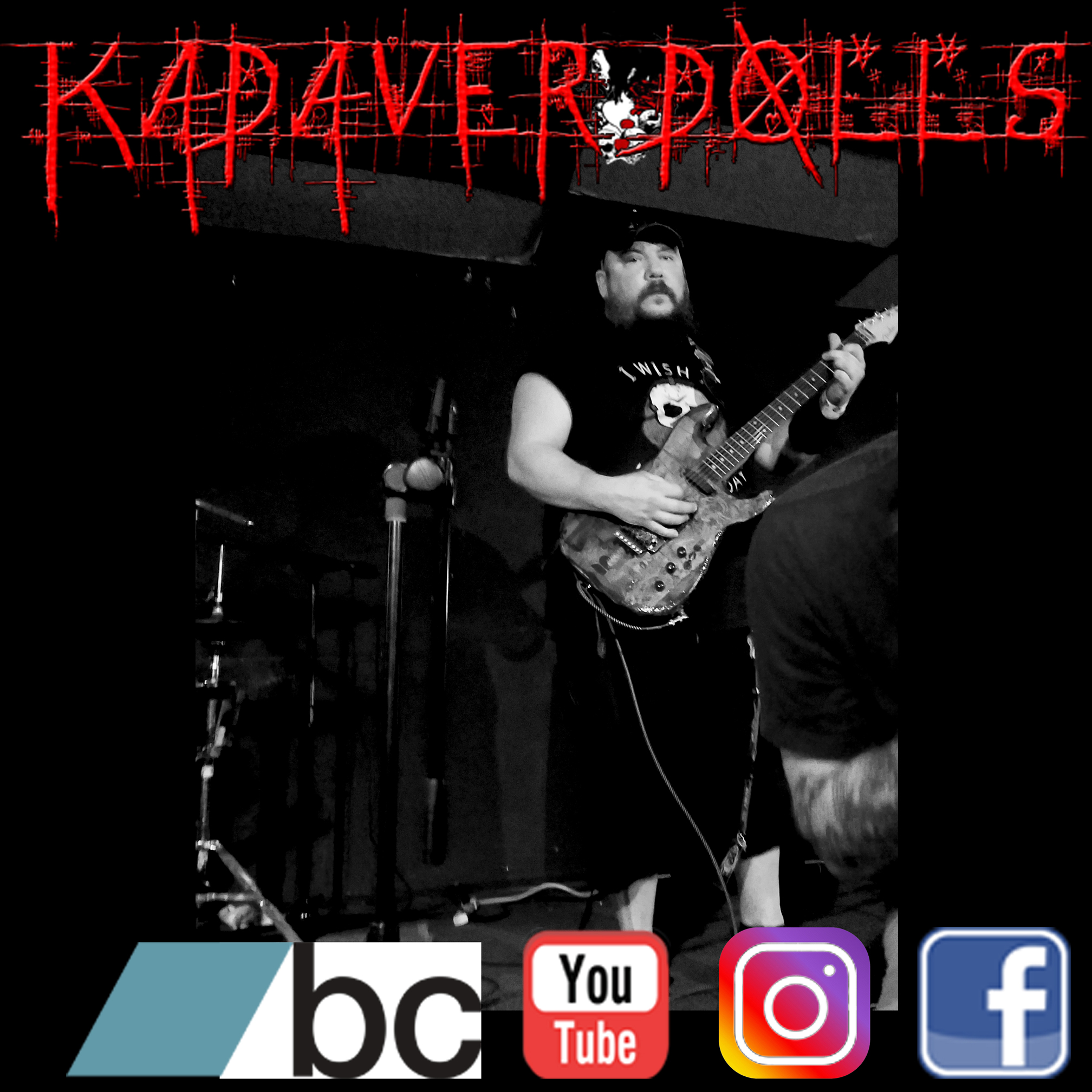
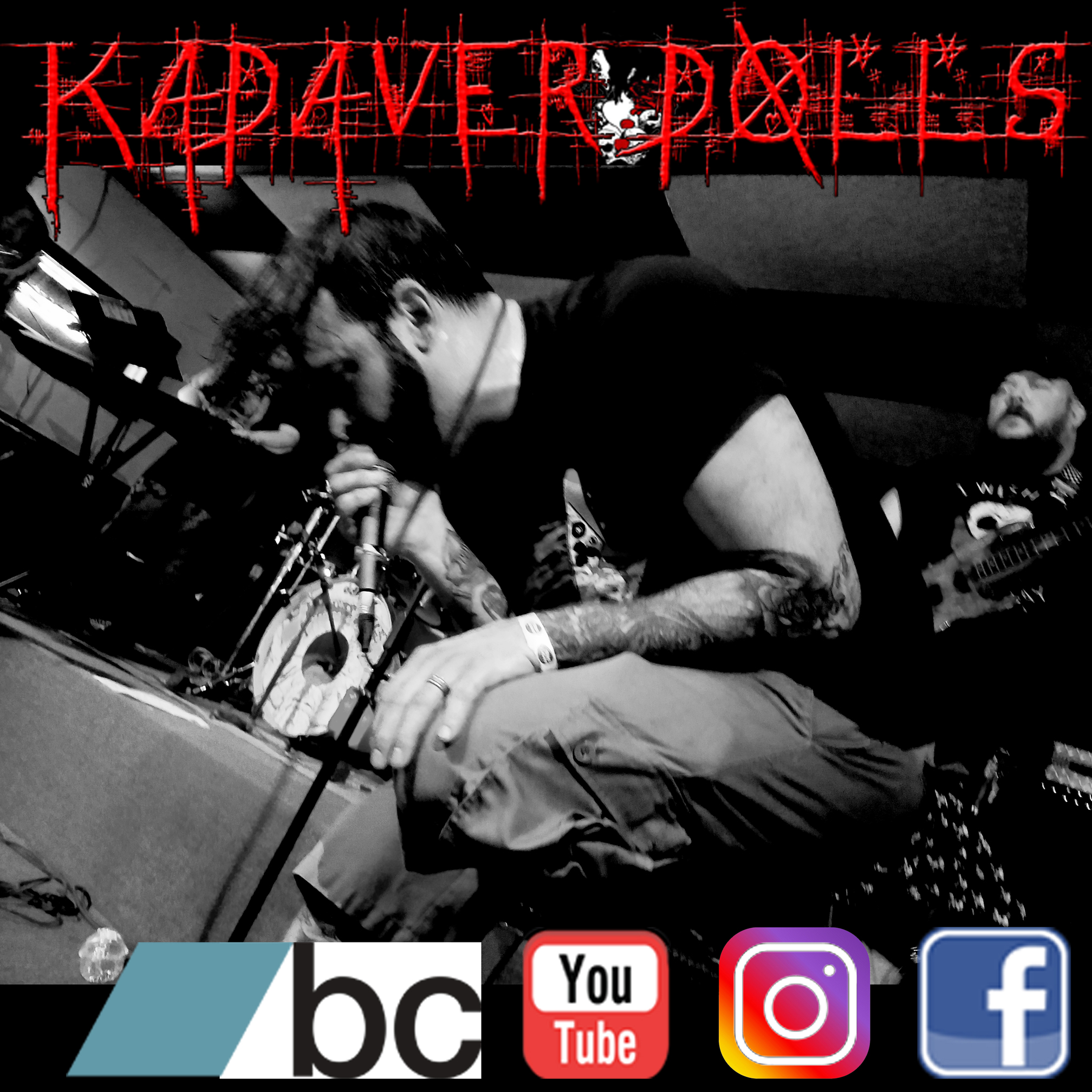
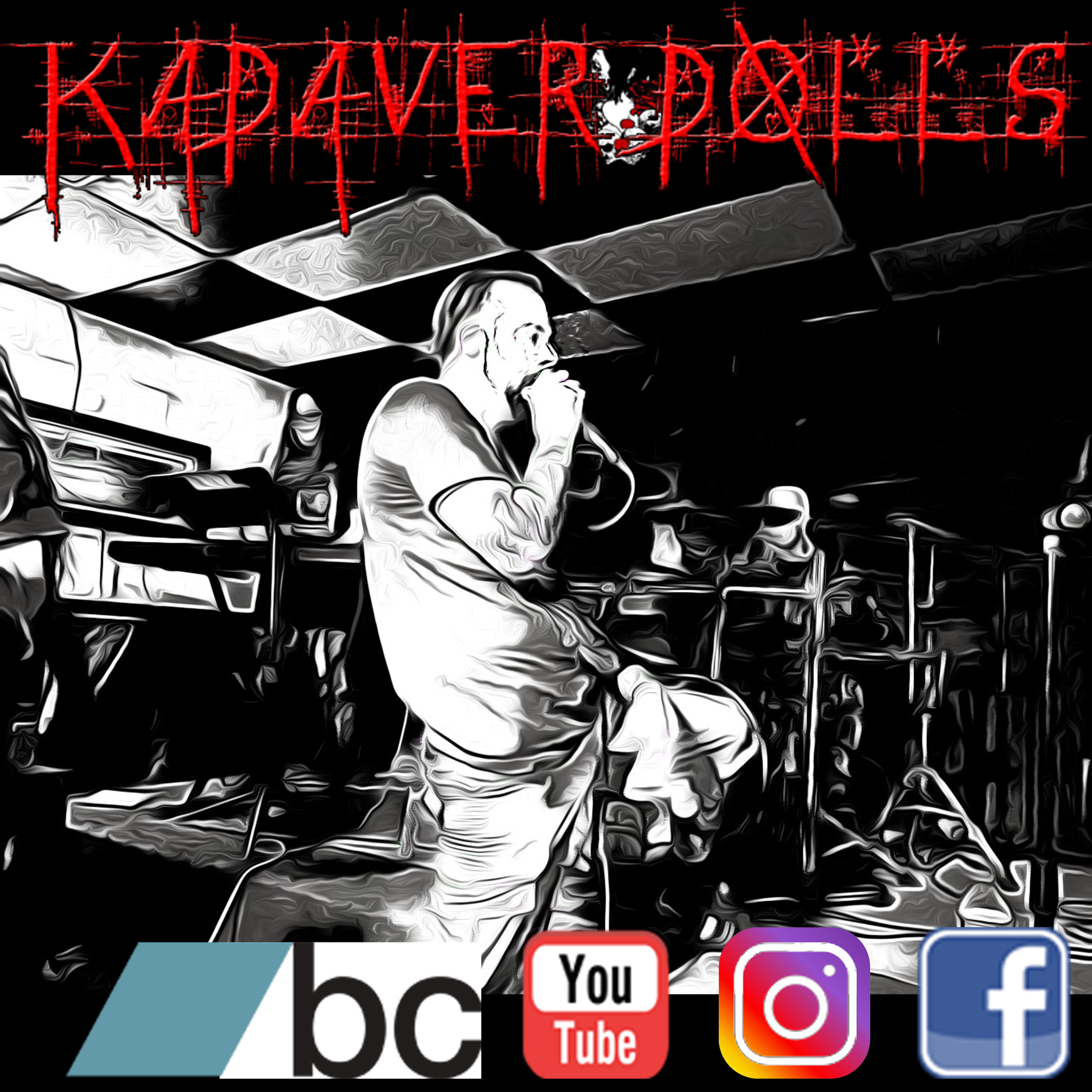
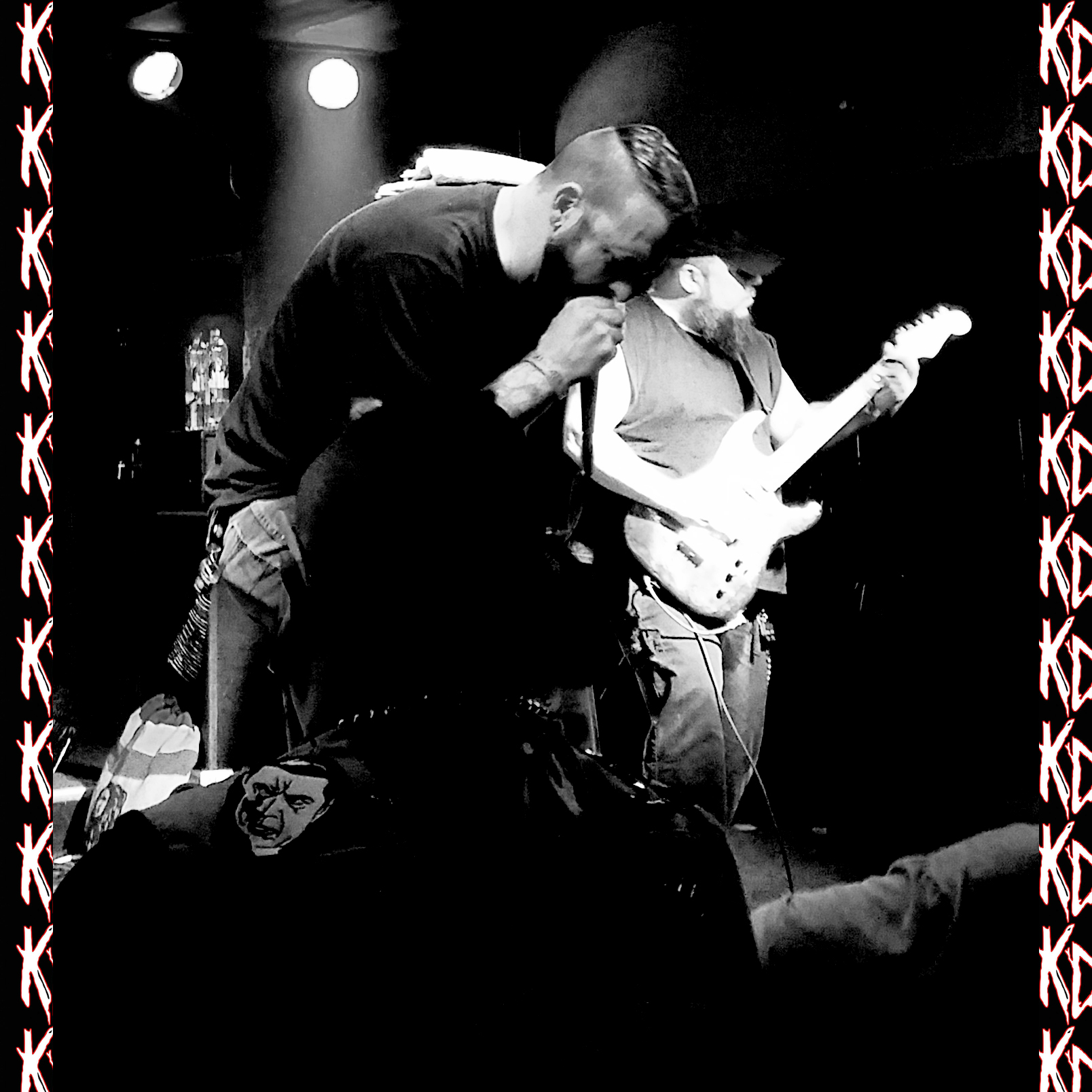
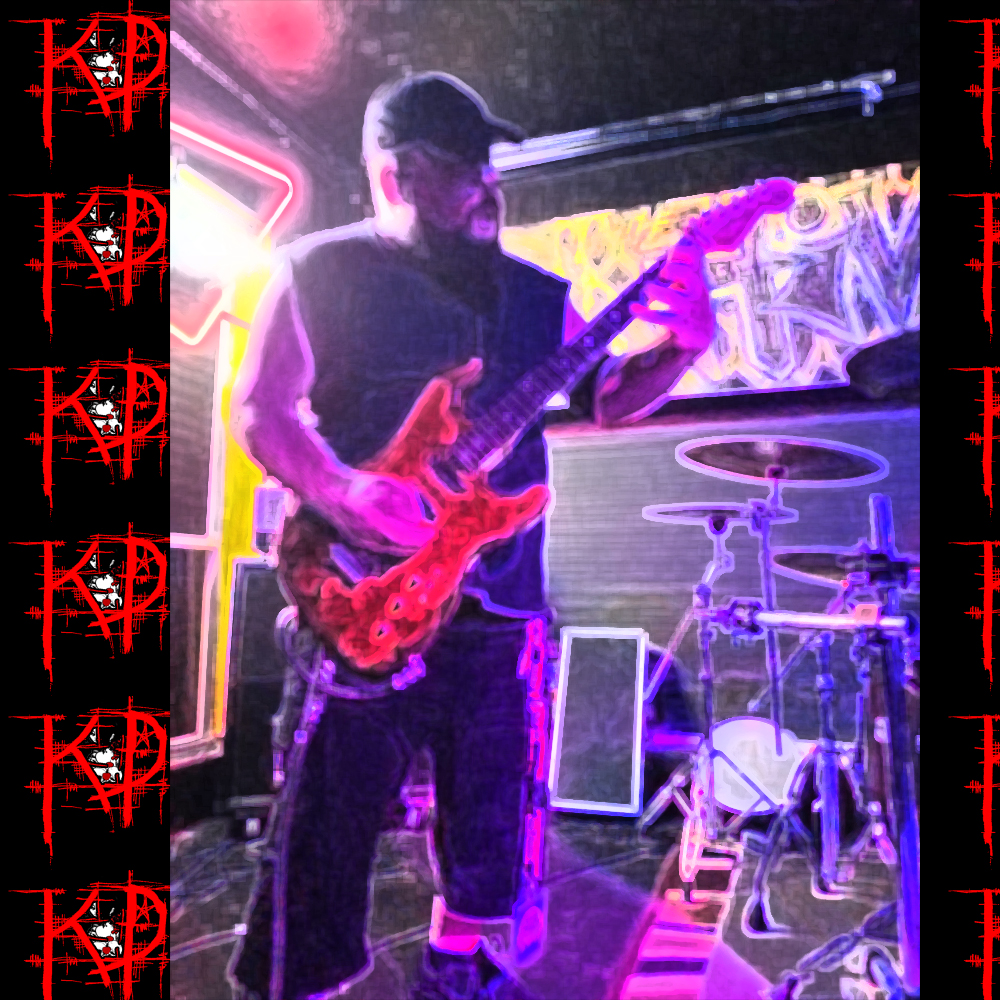
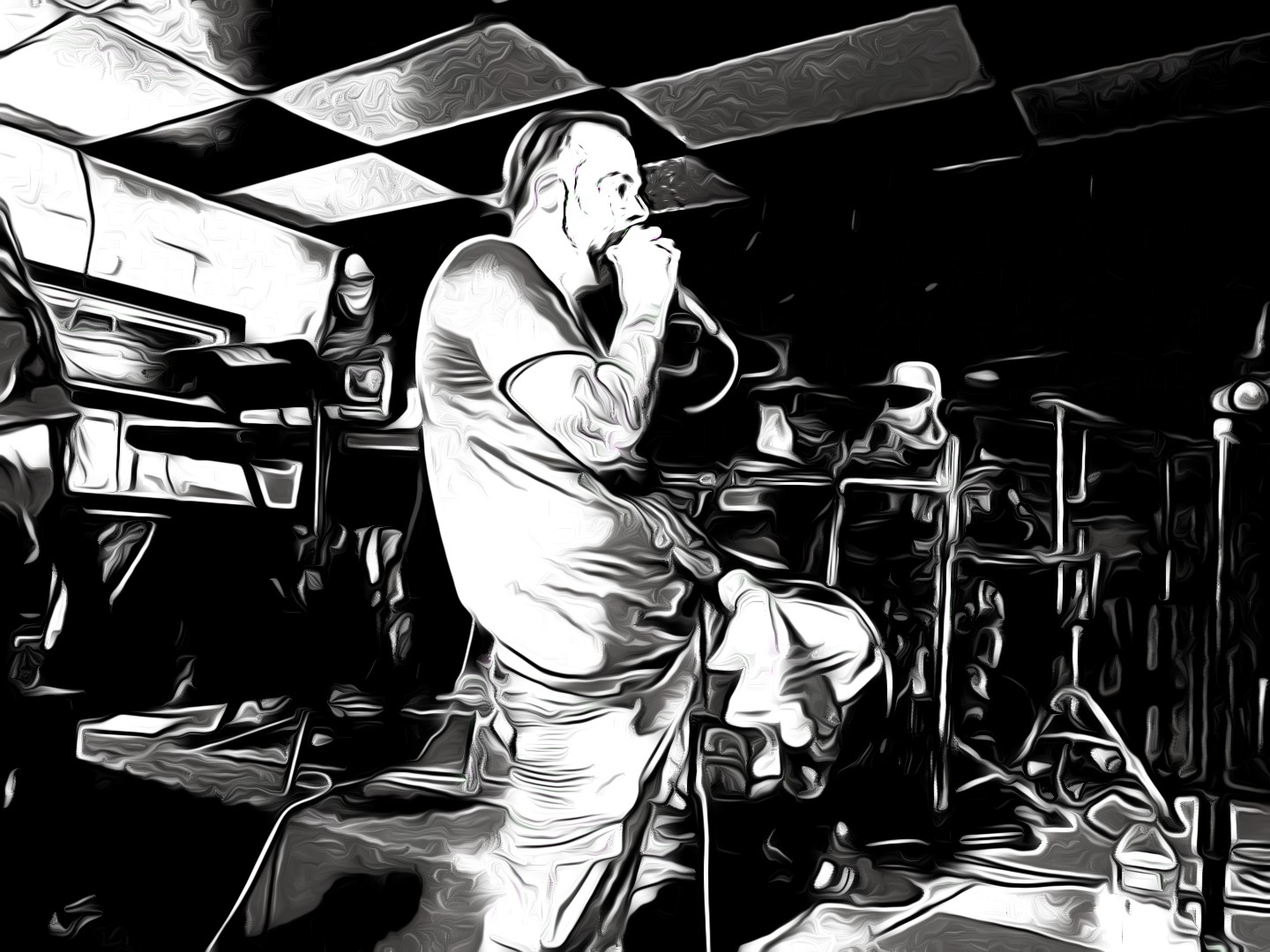
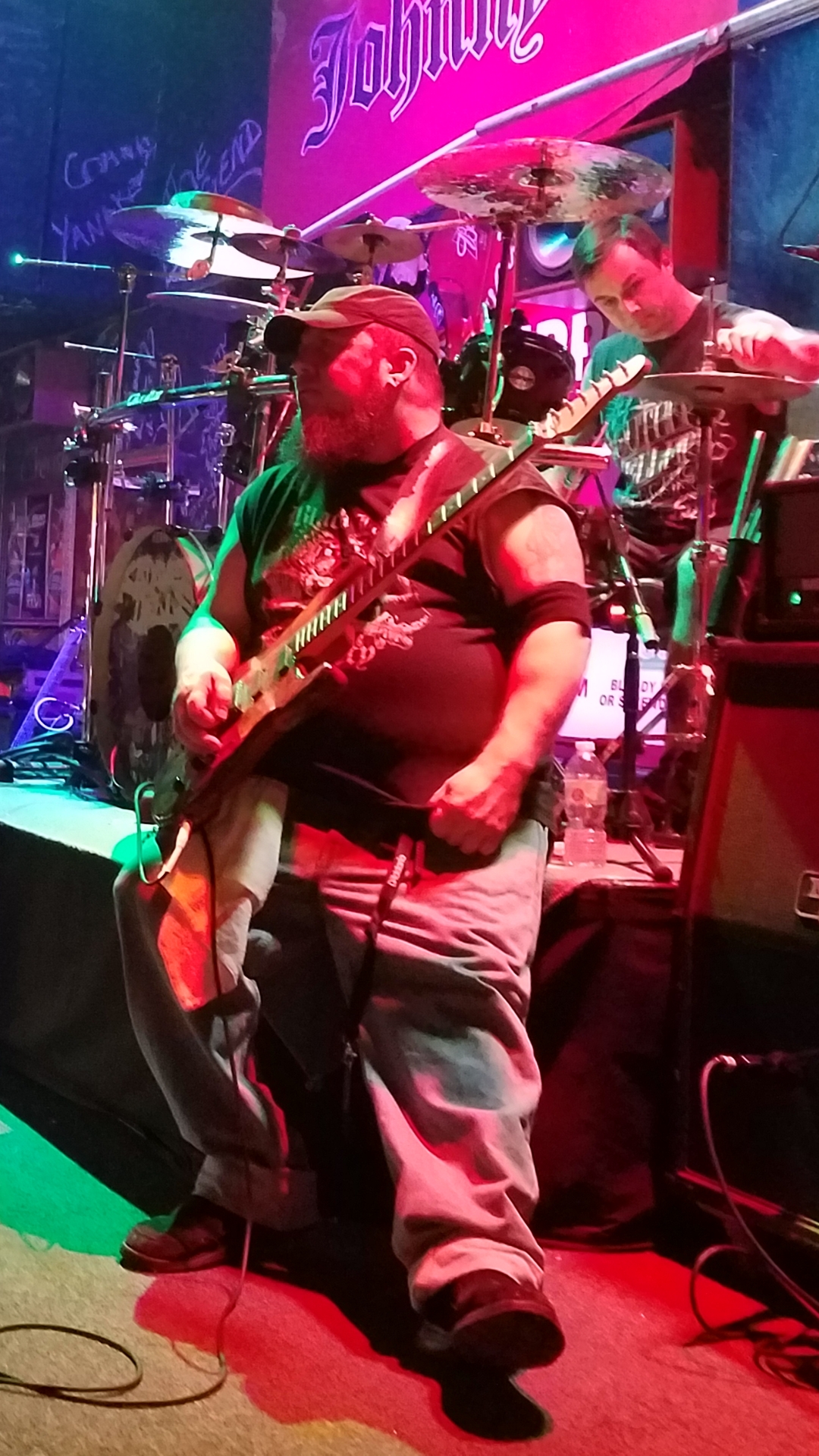
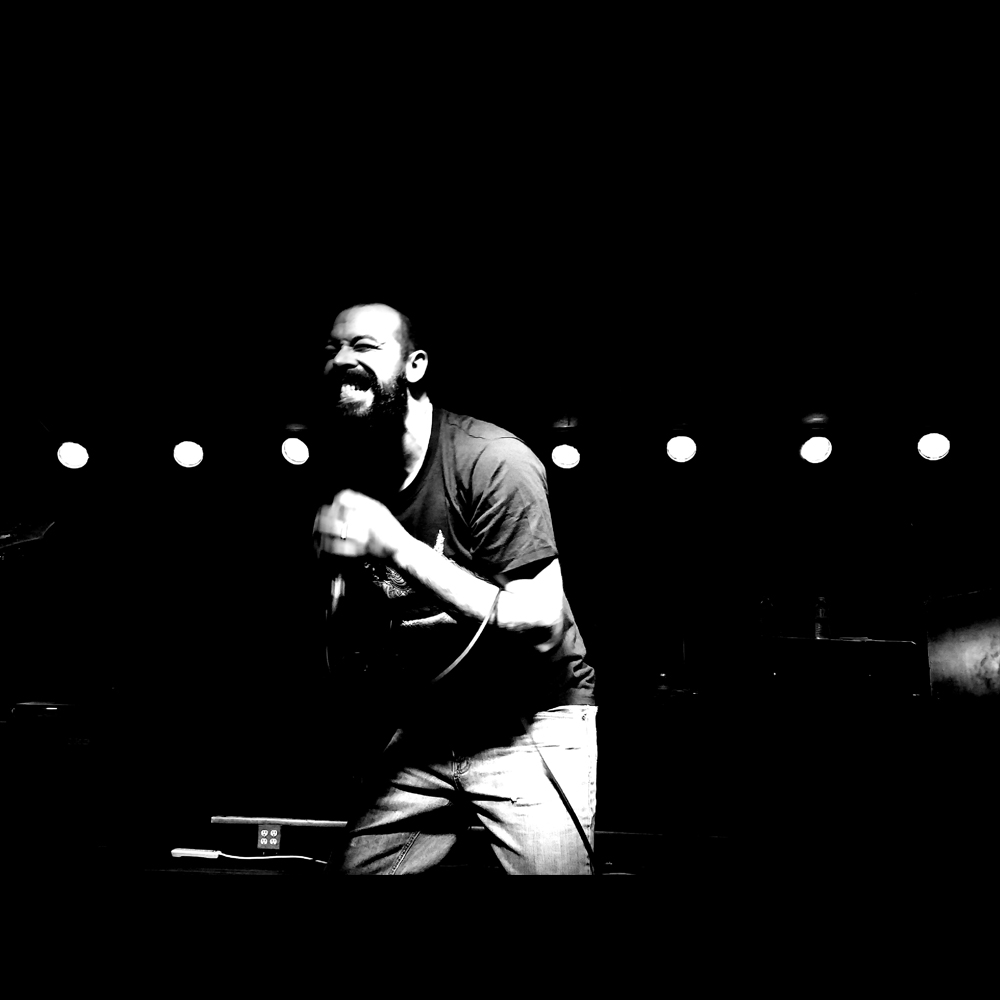
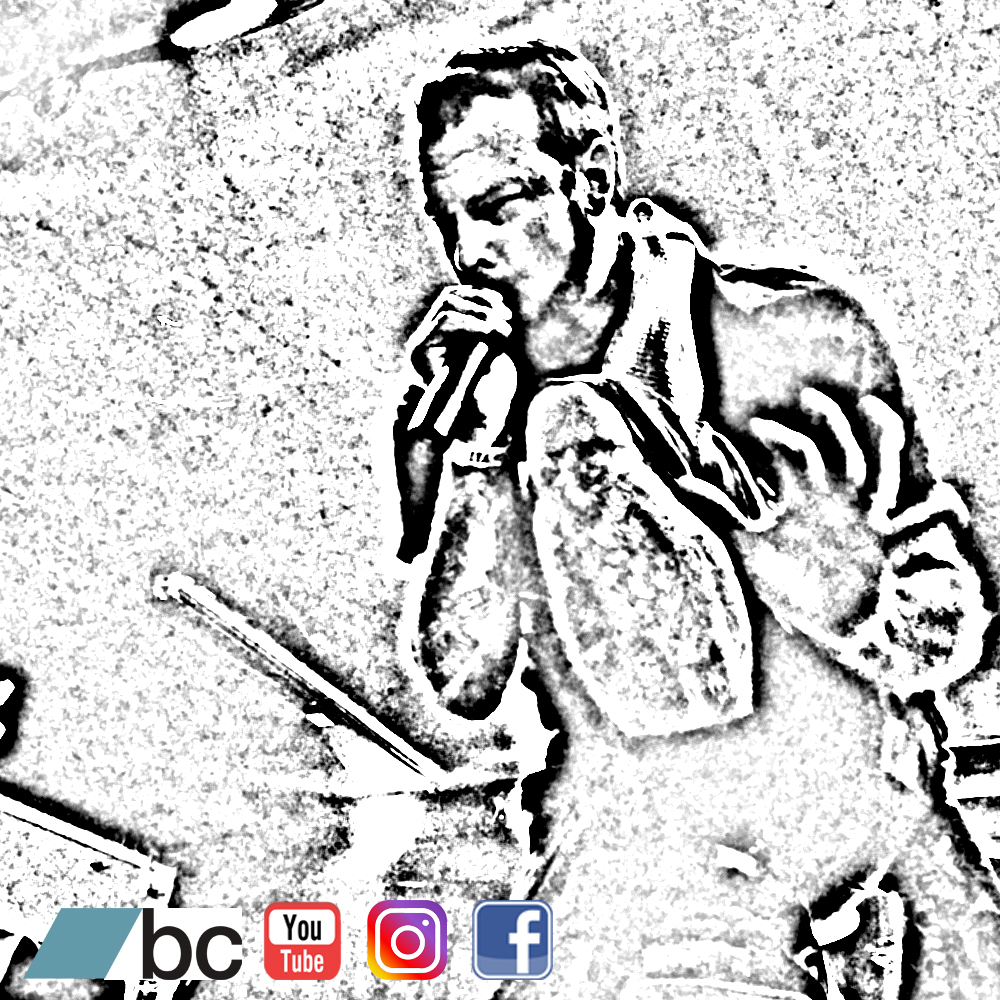
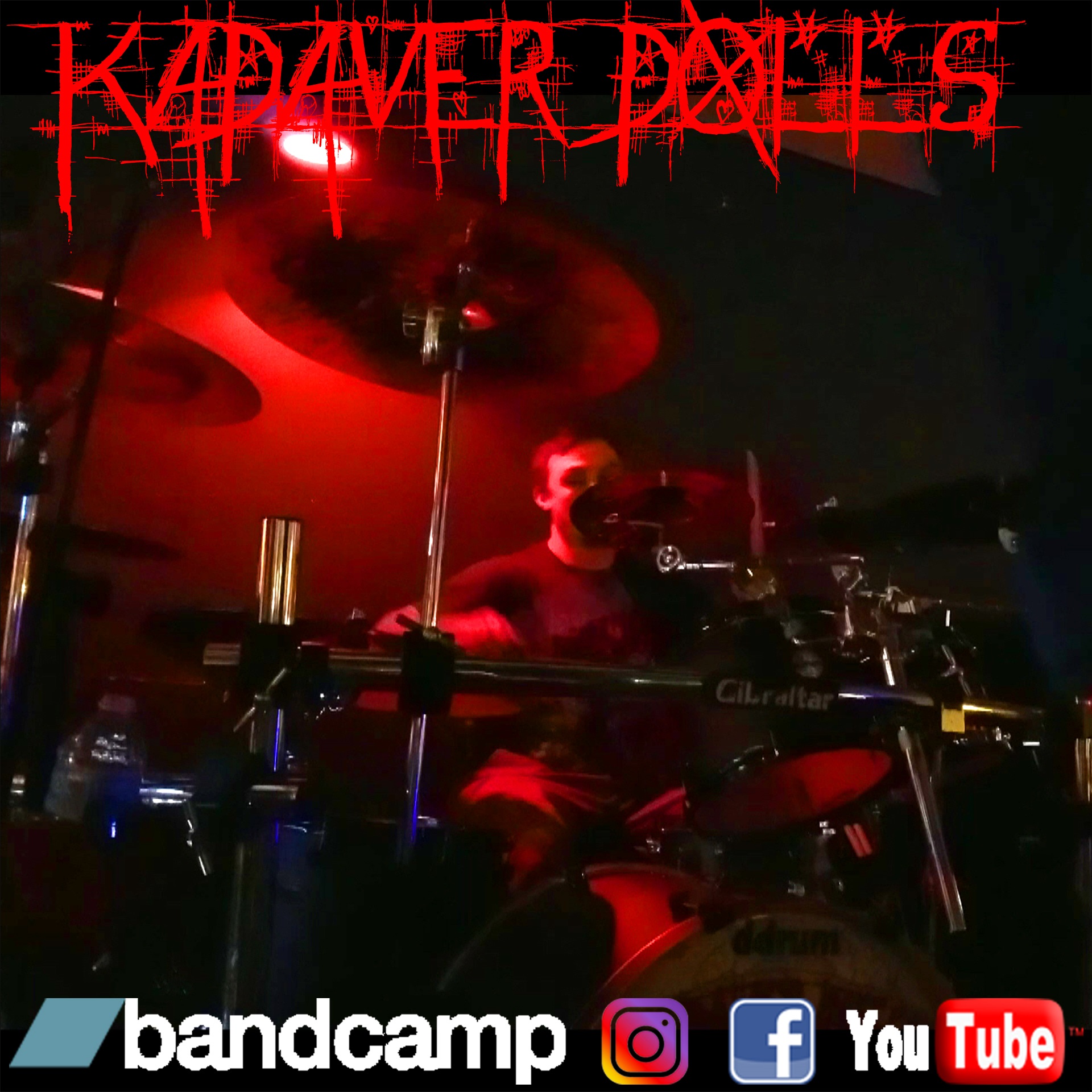
It is a collaboration between my imagination, the software, and an AI attempting to interpret what the hell I’m describing. But generating an image isn’t necessarily the same thing as finishing one. Photography, digital manipulation, traditional graphic design, and AI-generated components can all become parts of the same process. I don’t particularly care whether a graphic begins as a photograph, a Photoshop composition, an AI-generated image, or some combination of all three. What interests me is whether the finished work communicates the idea I was attempting to represent.
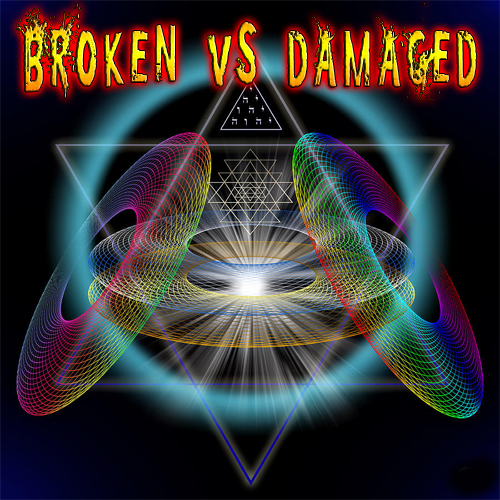
The tools have changed considerably since film school. The underlying approach really hasn’t. I still experiment, learn what the software can and cannot do, and figure out how to work around its limitations. Sometimes the results are exactly what I envisioned. Sometimes they’re something completely different. Occasionally, they’re better. And sometimes the whole damn thing ends up in the digital trash can. That’s part of the process.
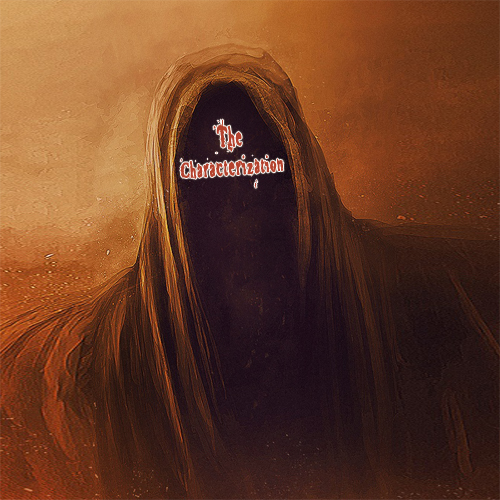
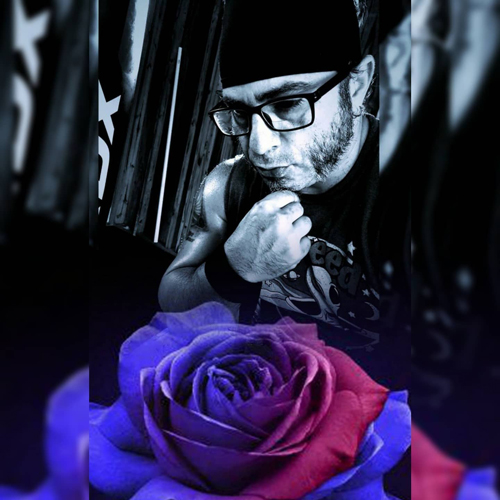
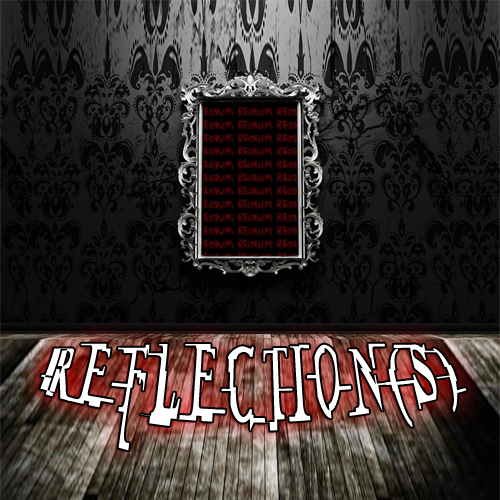
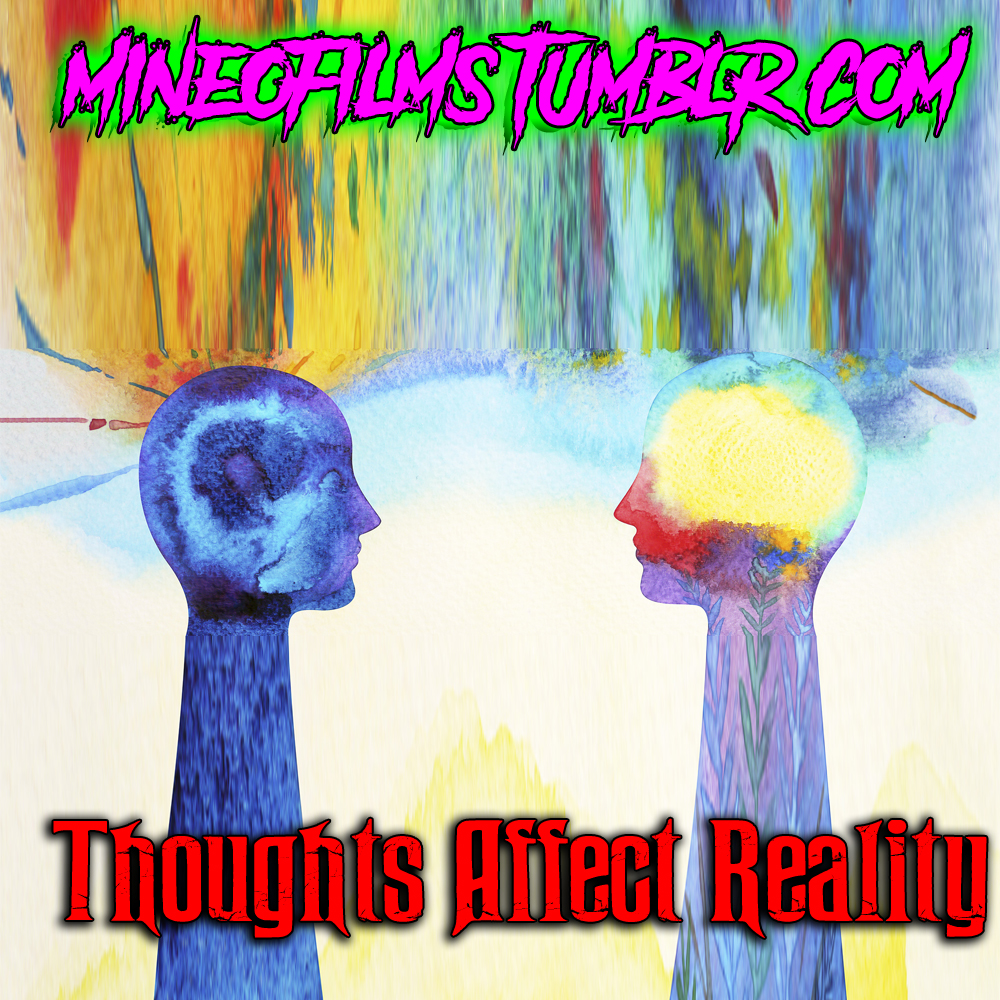
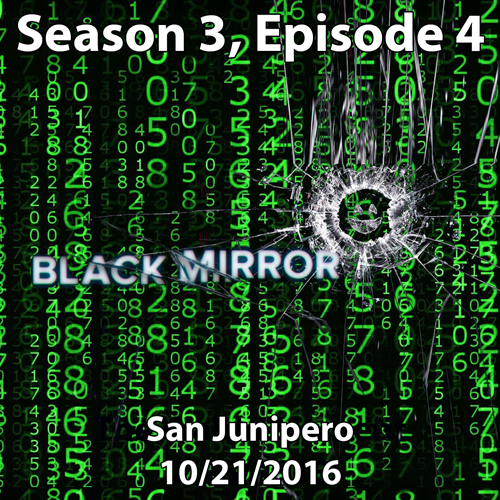
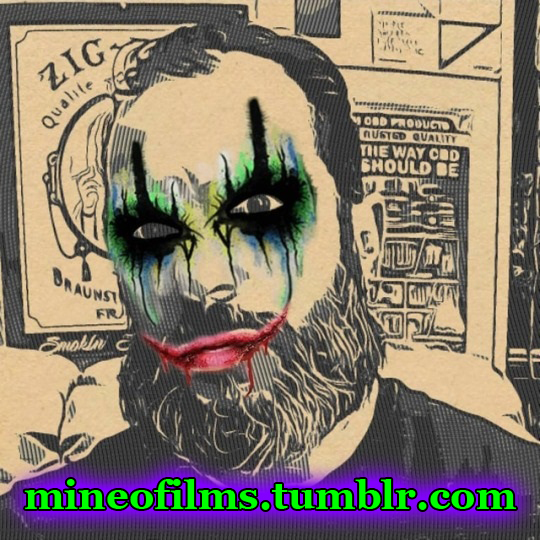
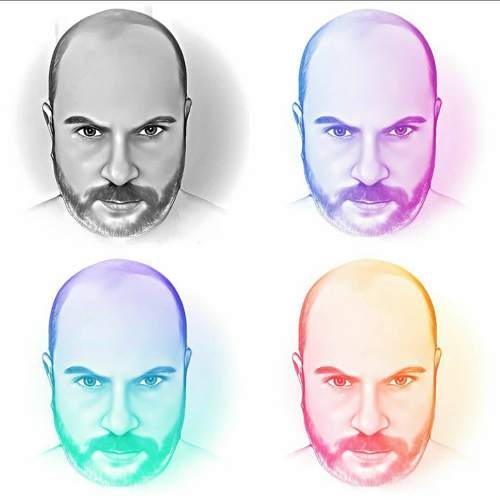
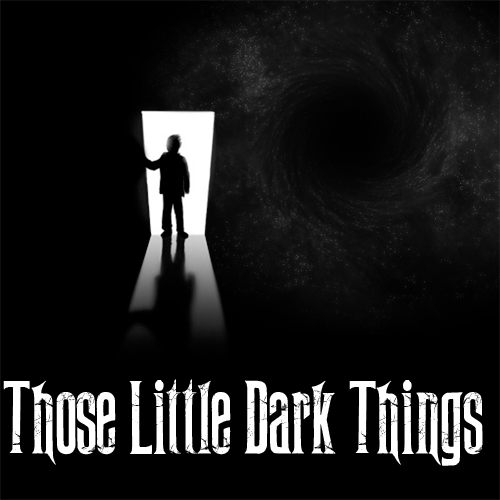
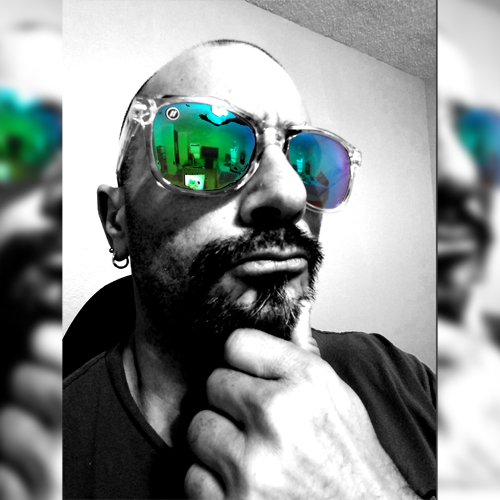
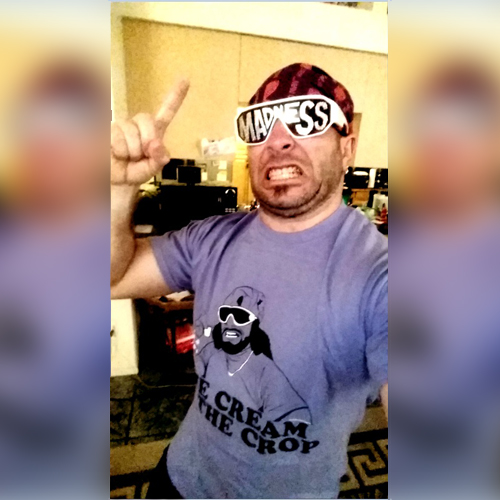
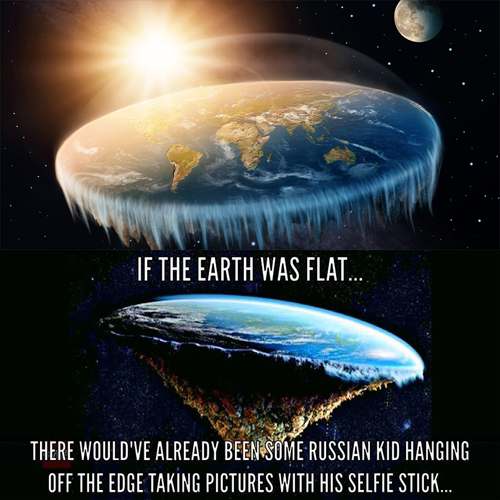
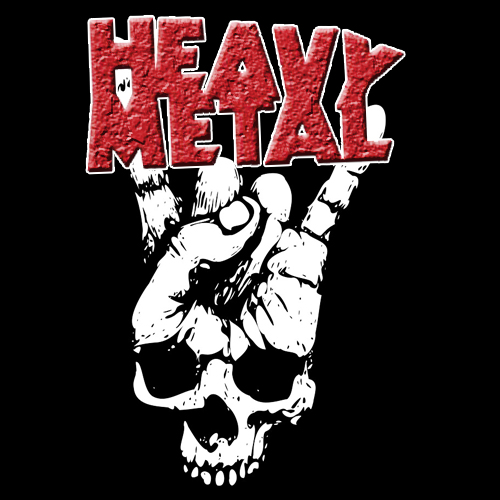
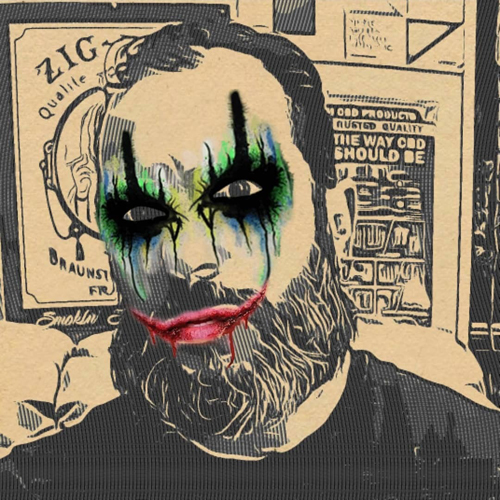
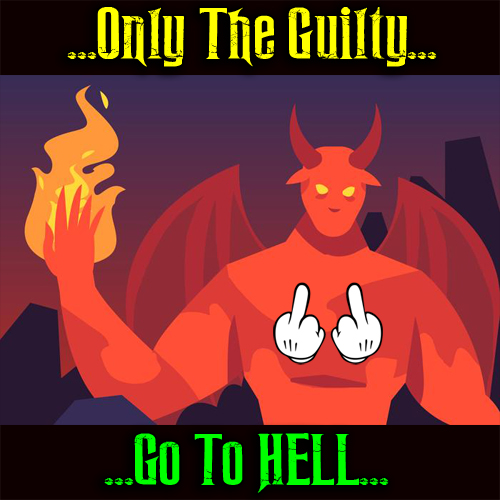
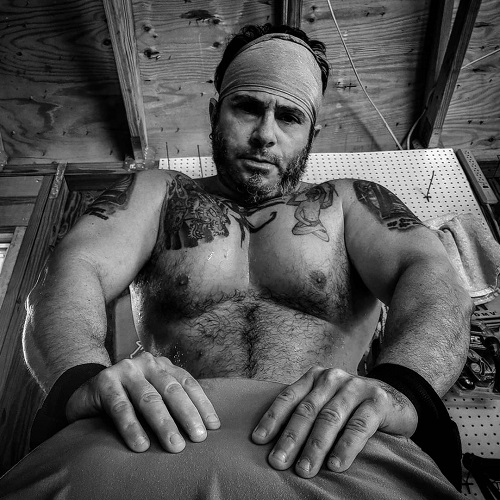
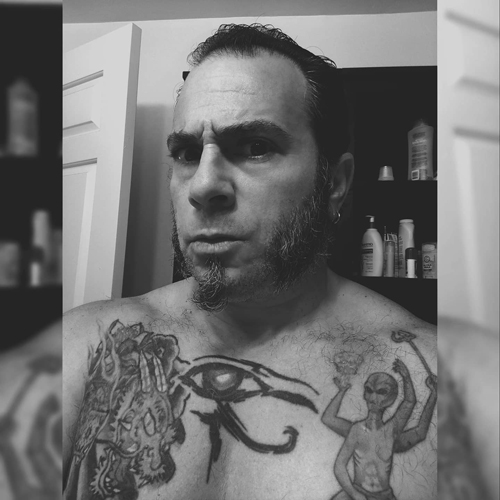
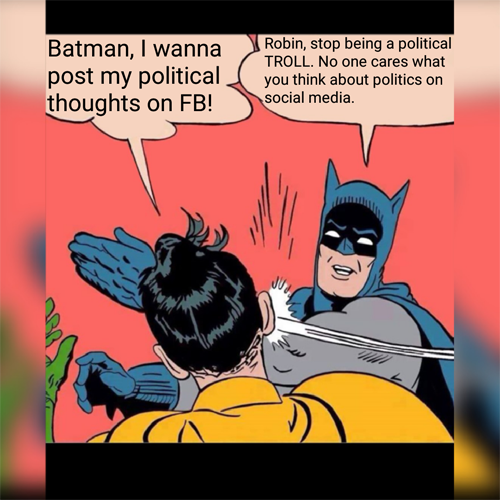
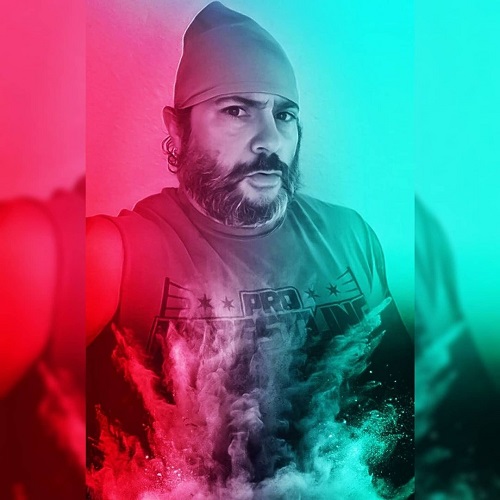
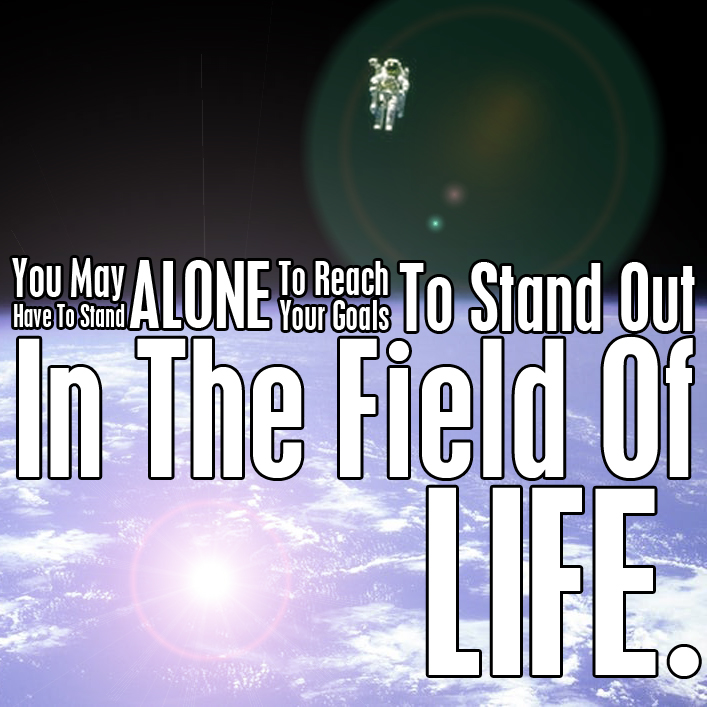
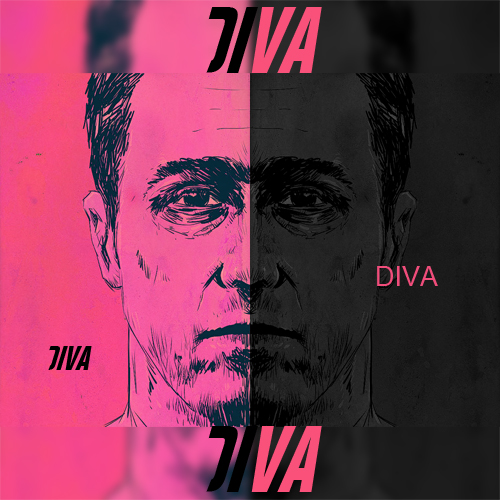
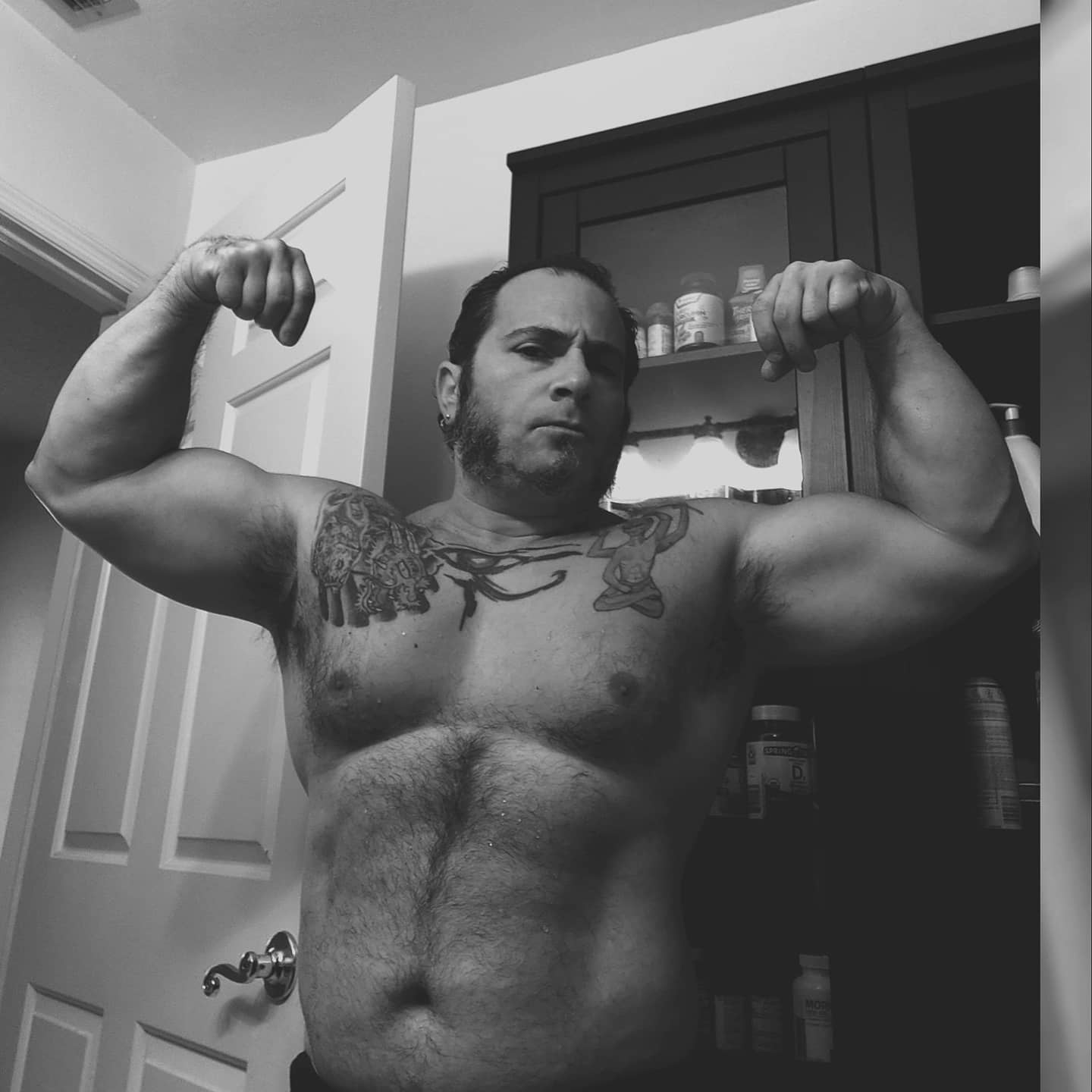
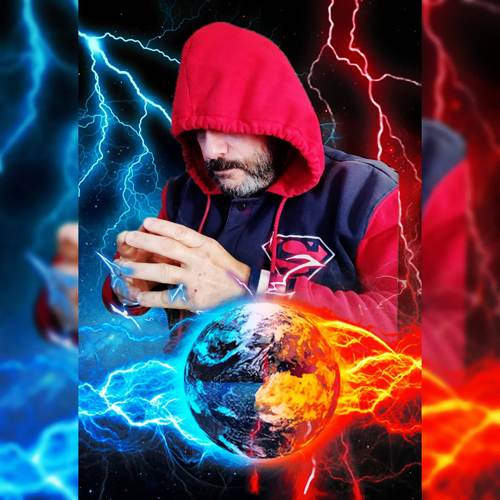
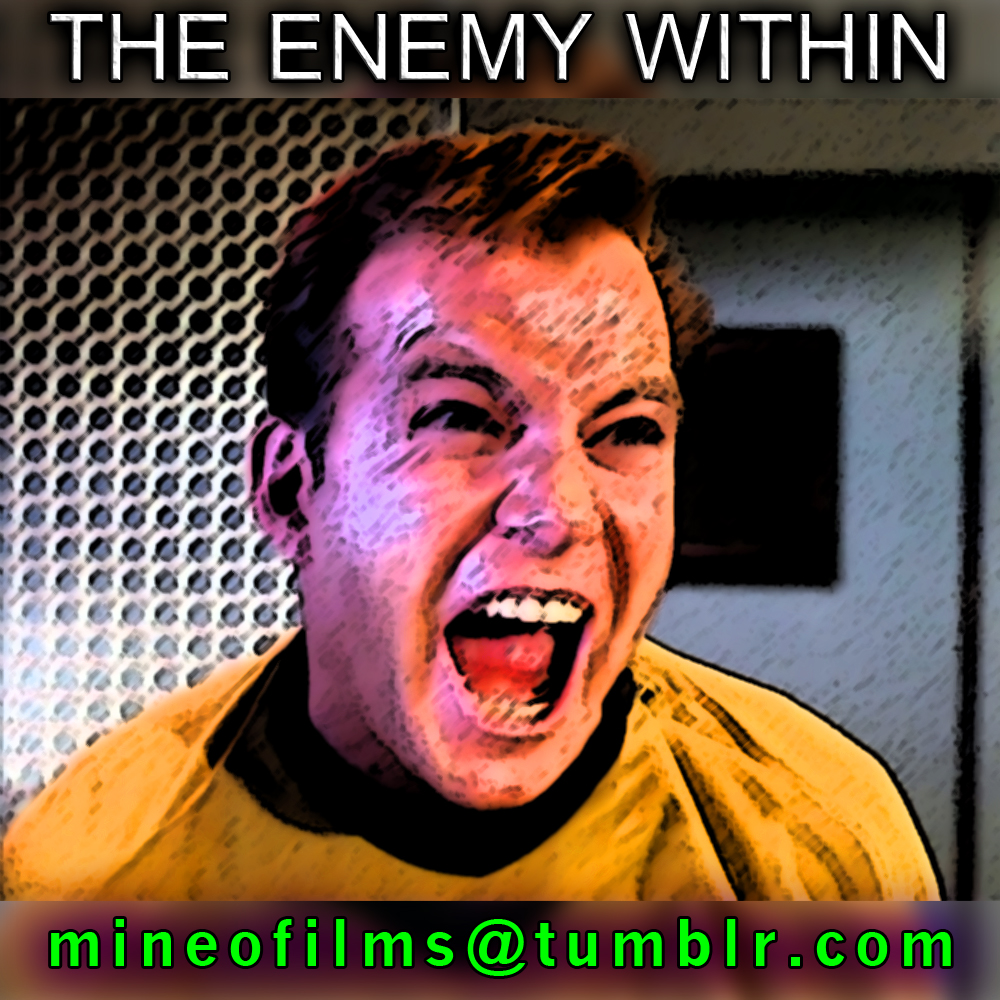
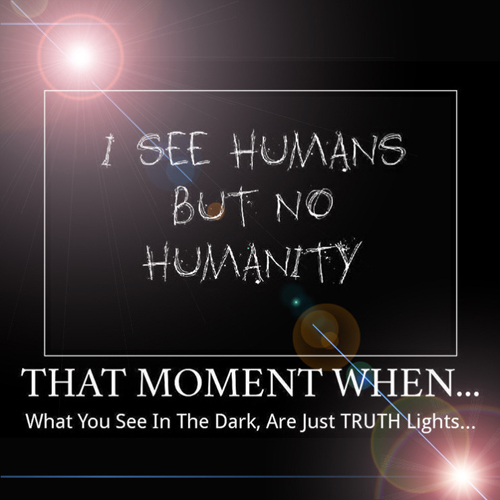
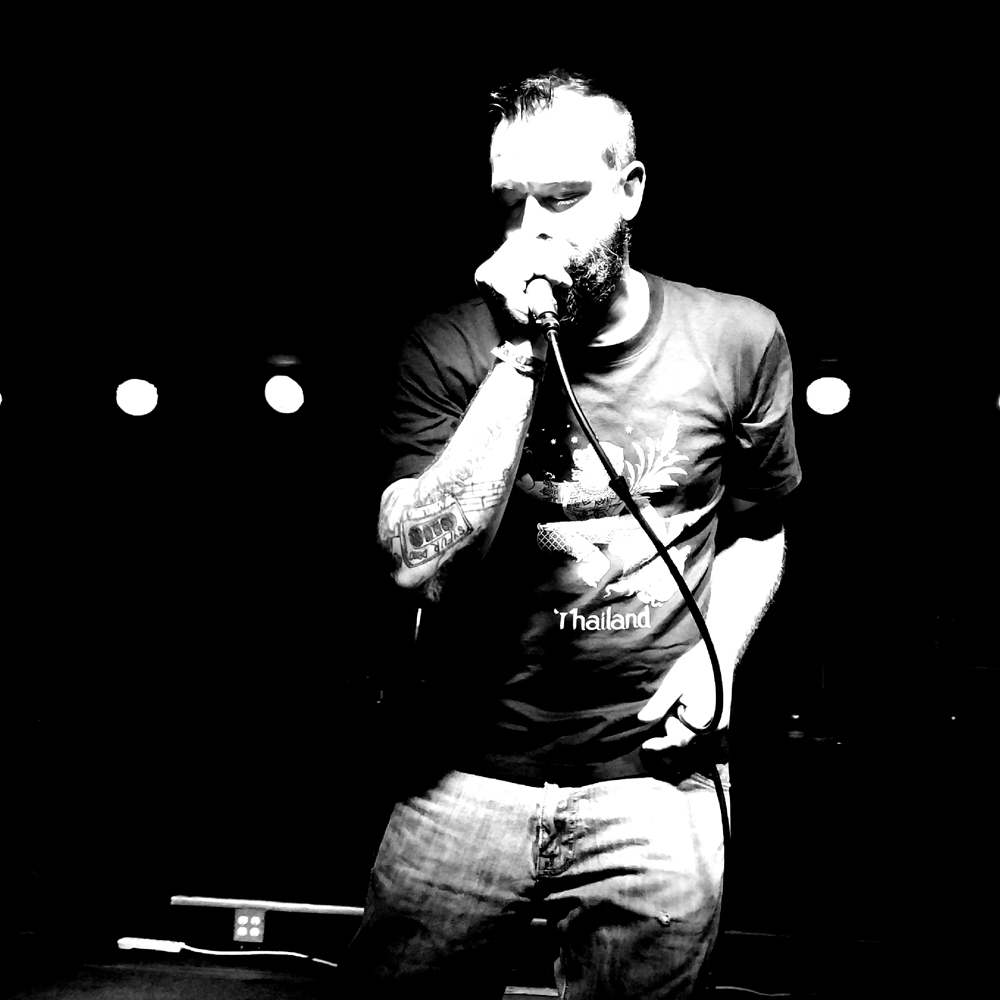
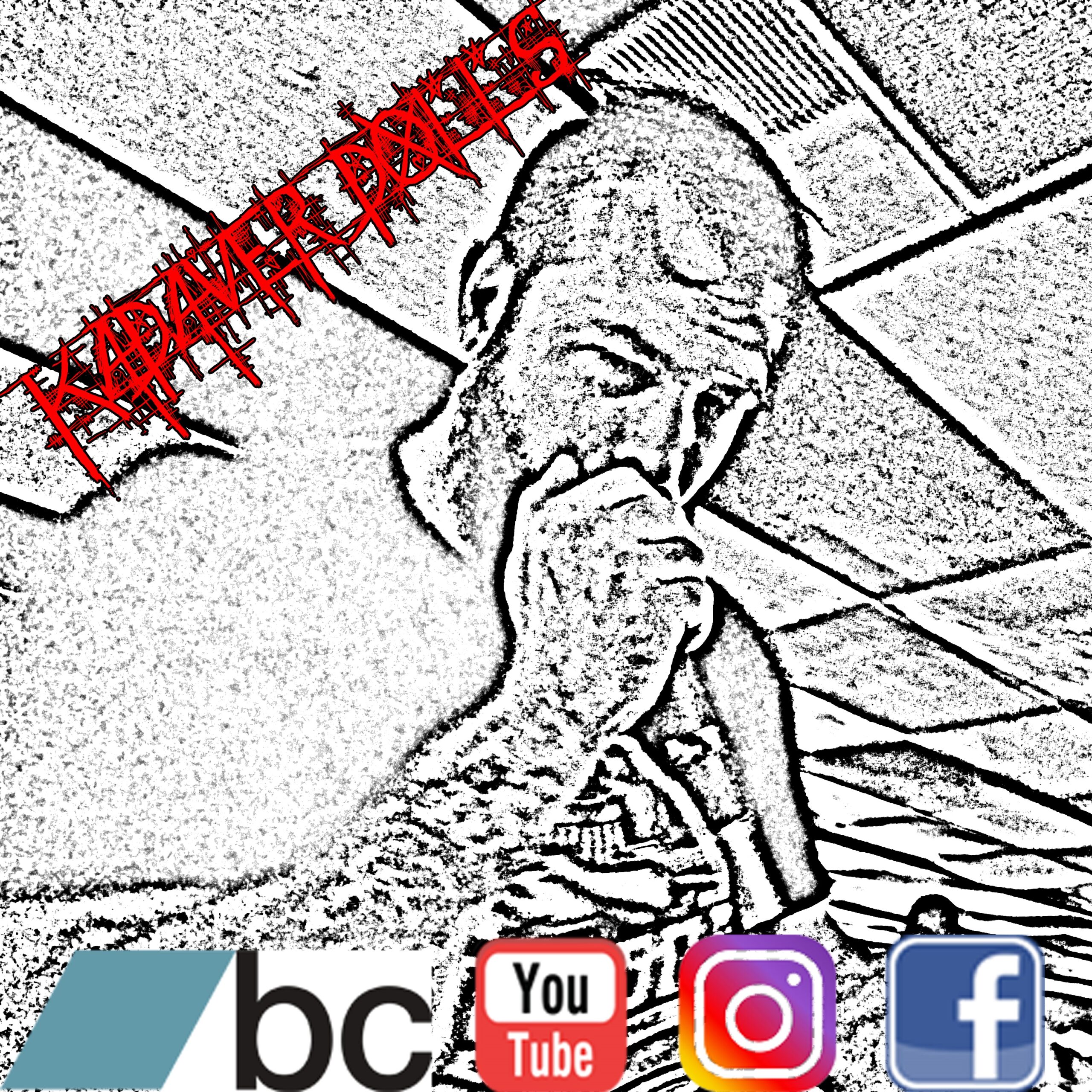
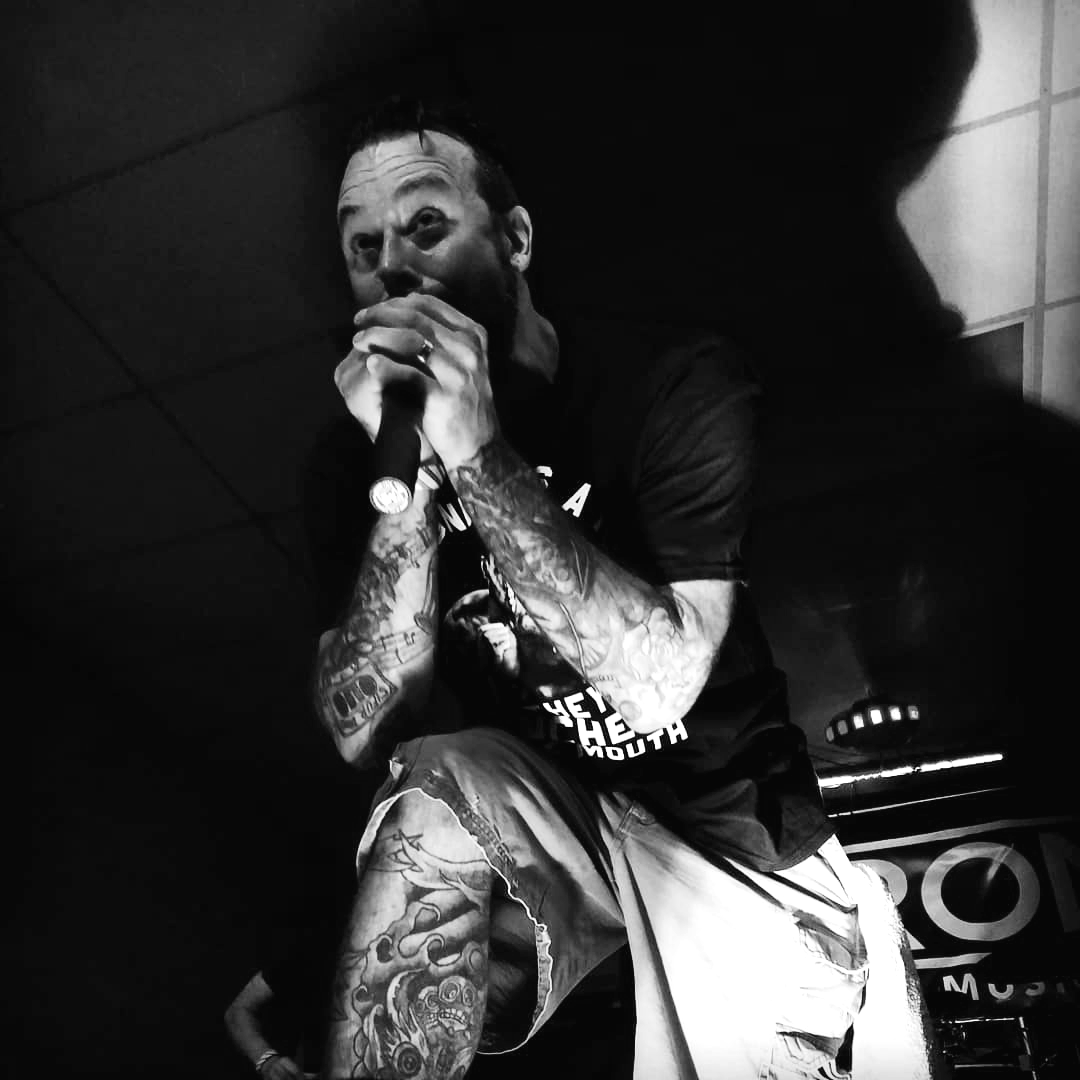
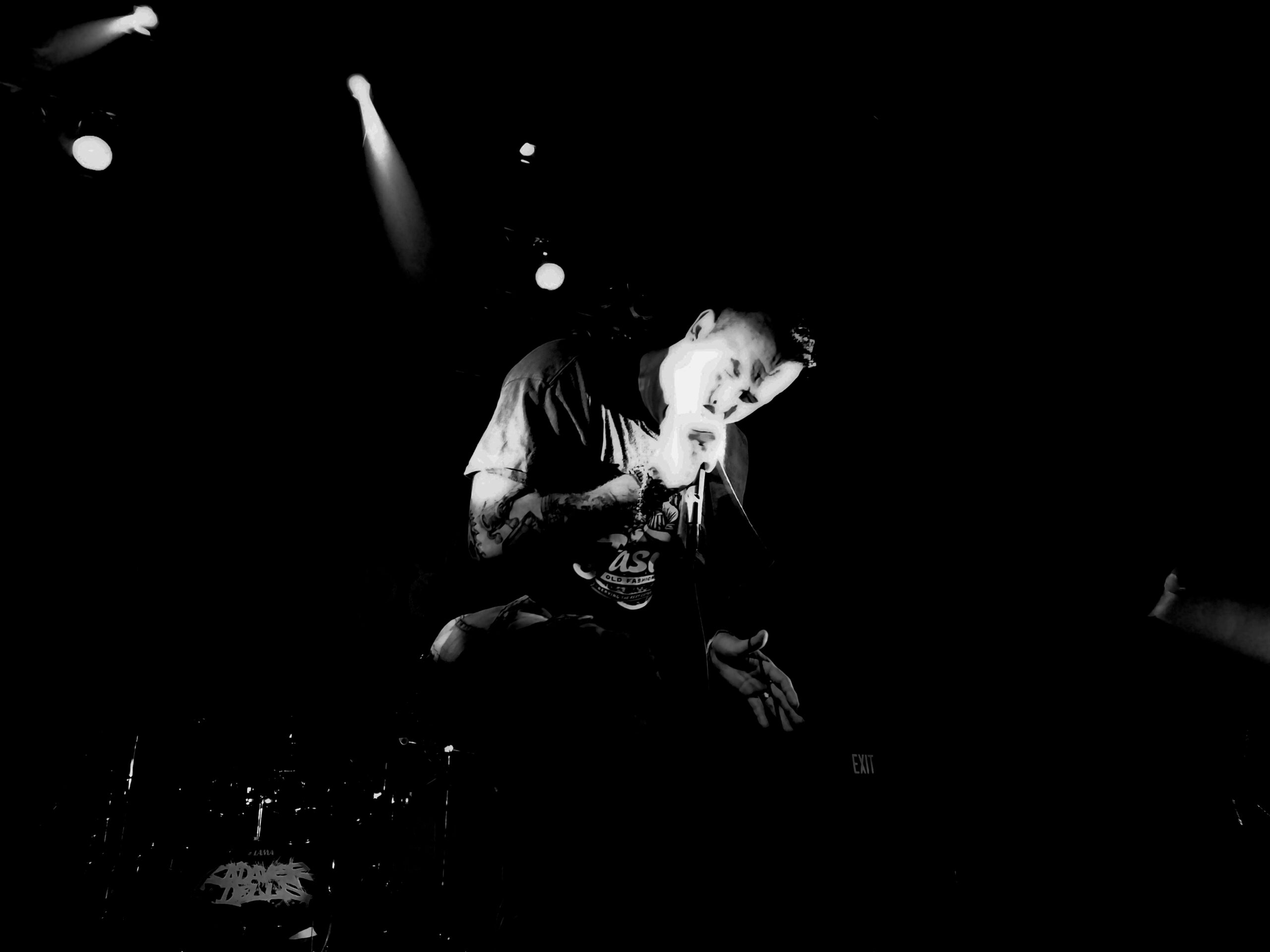
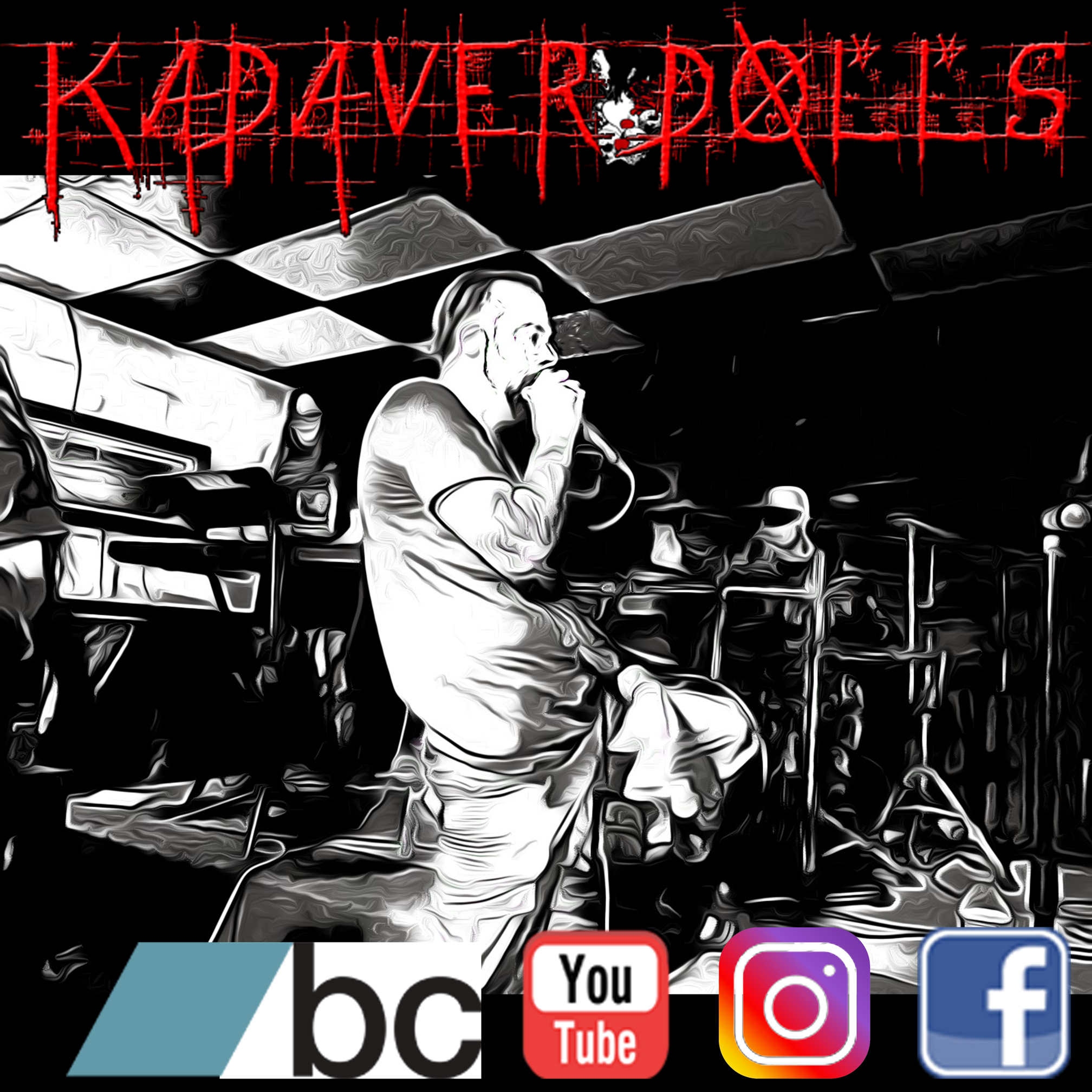
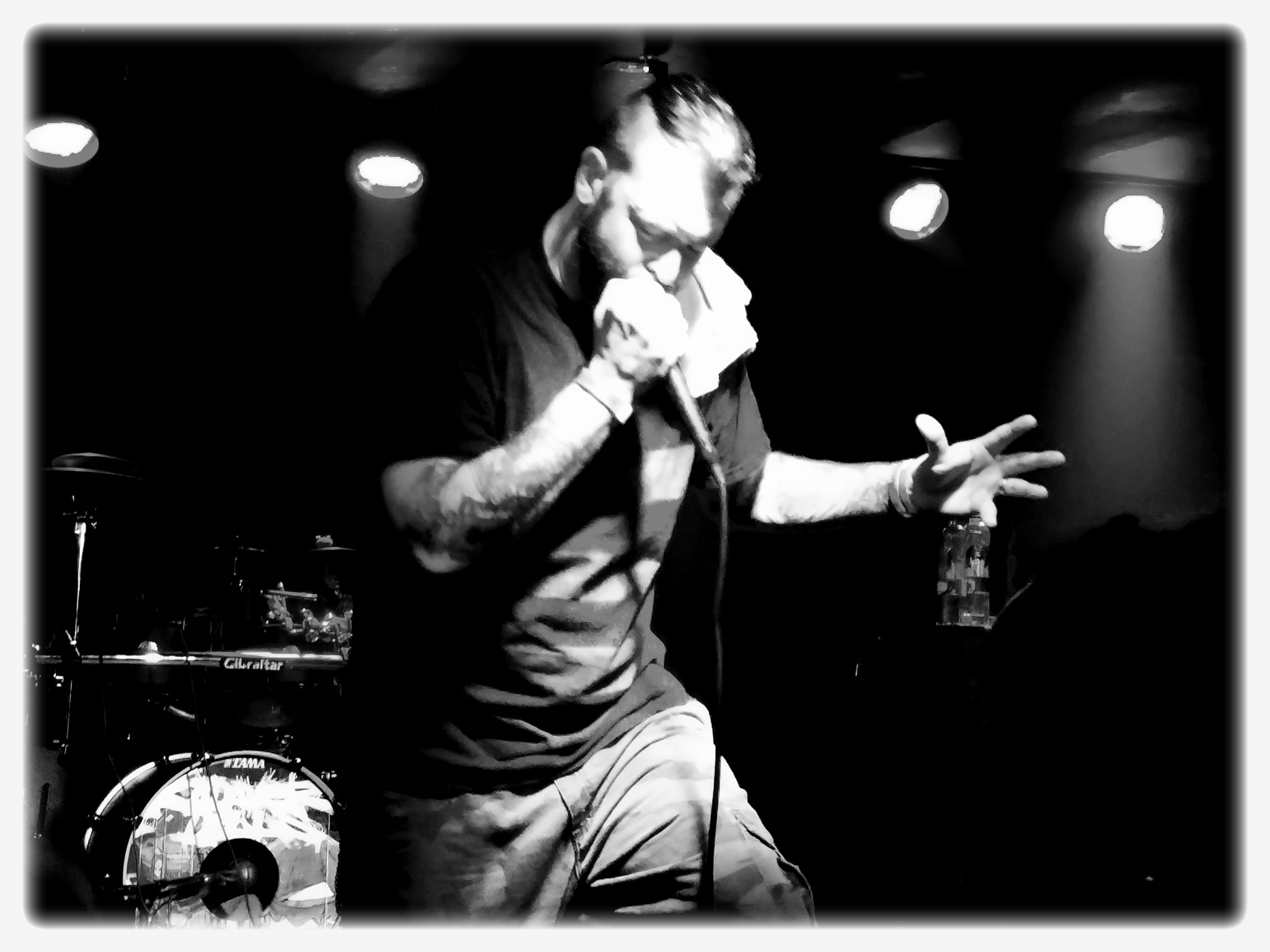
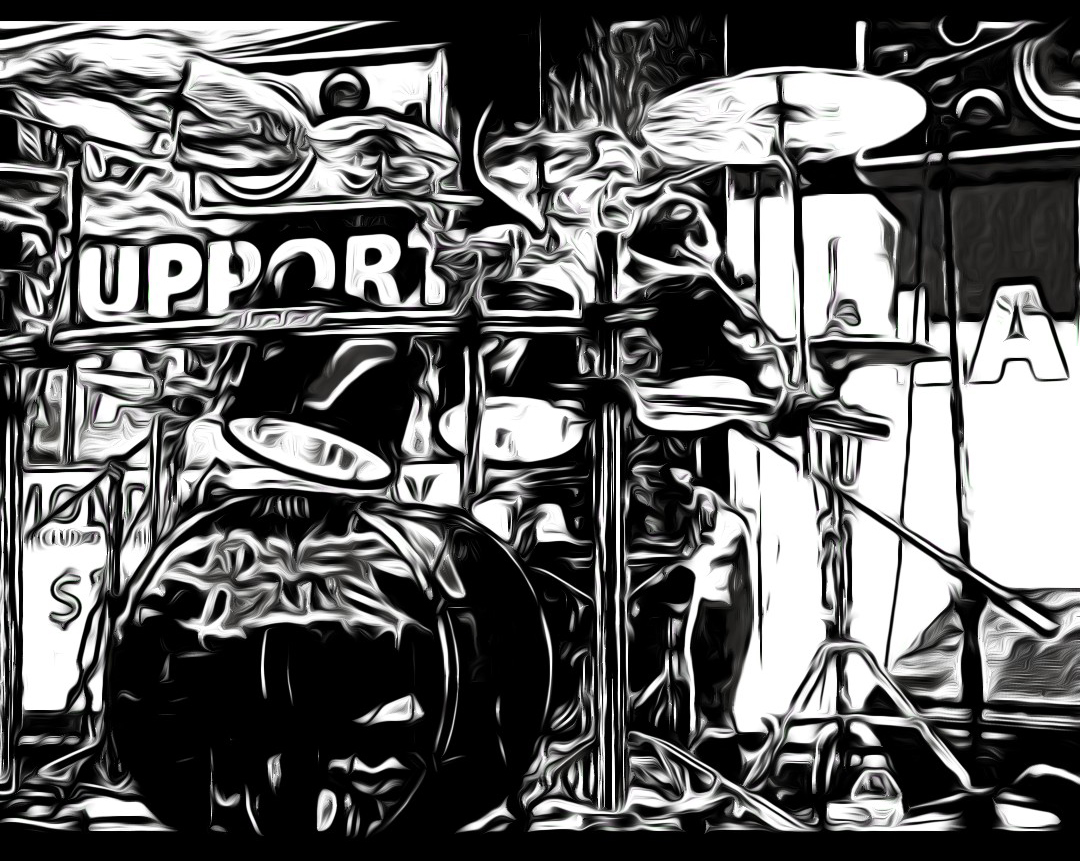
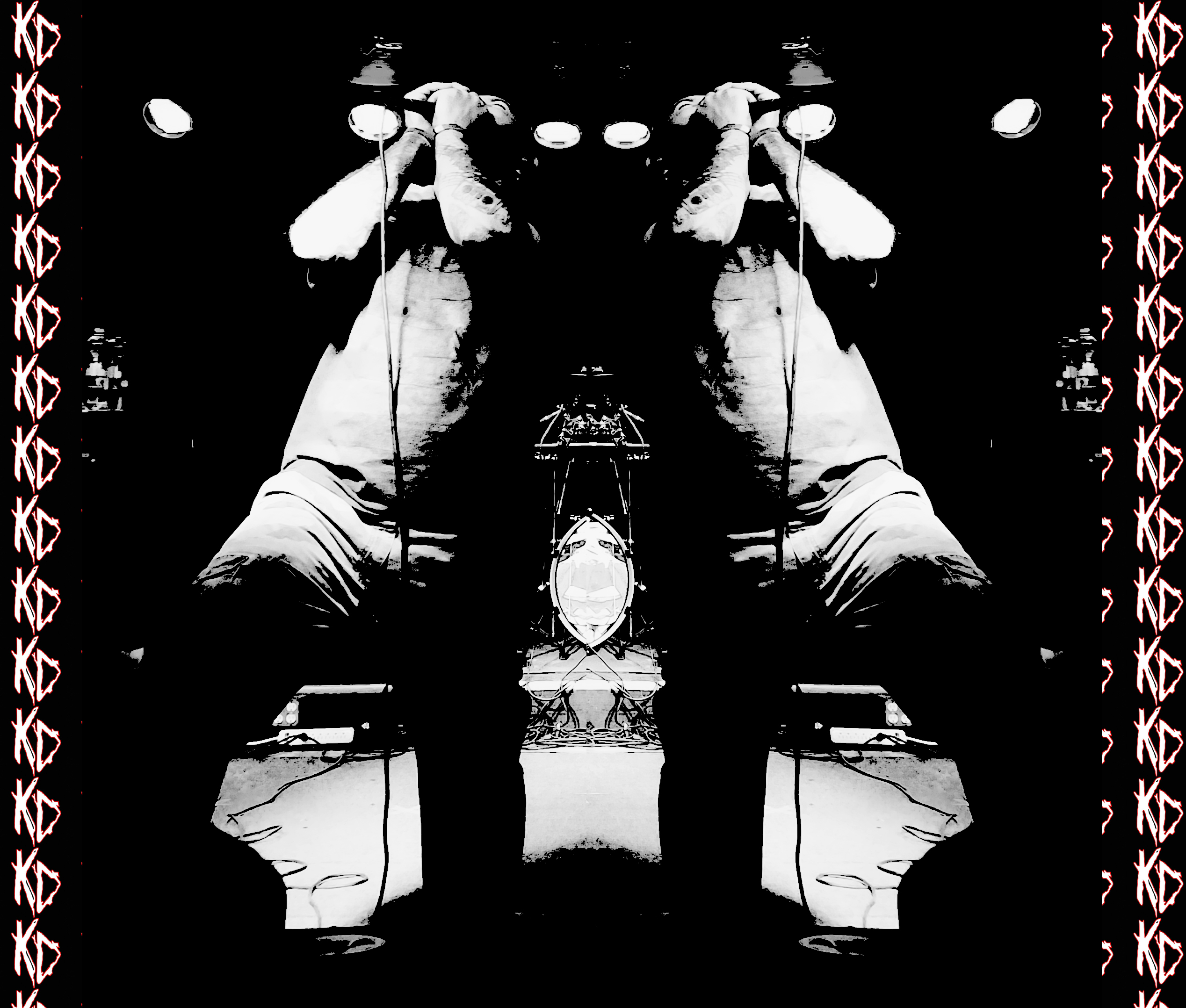
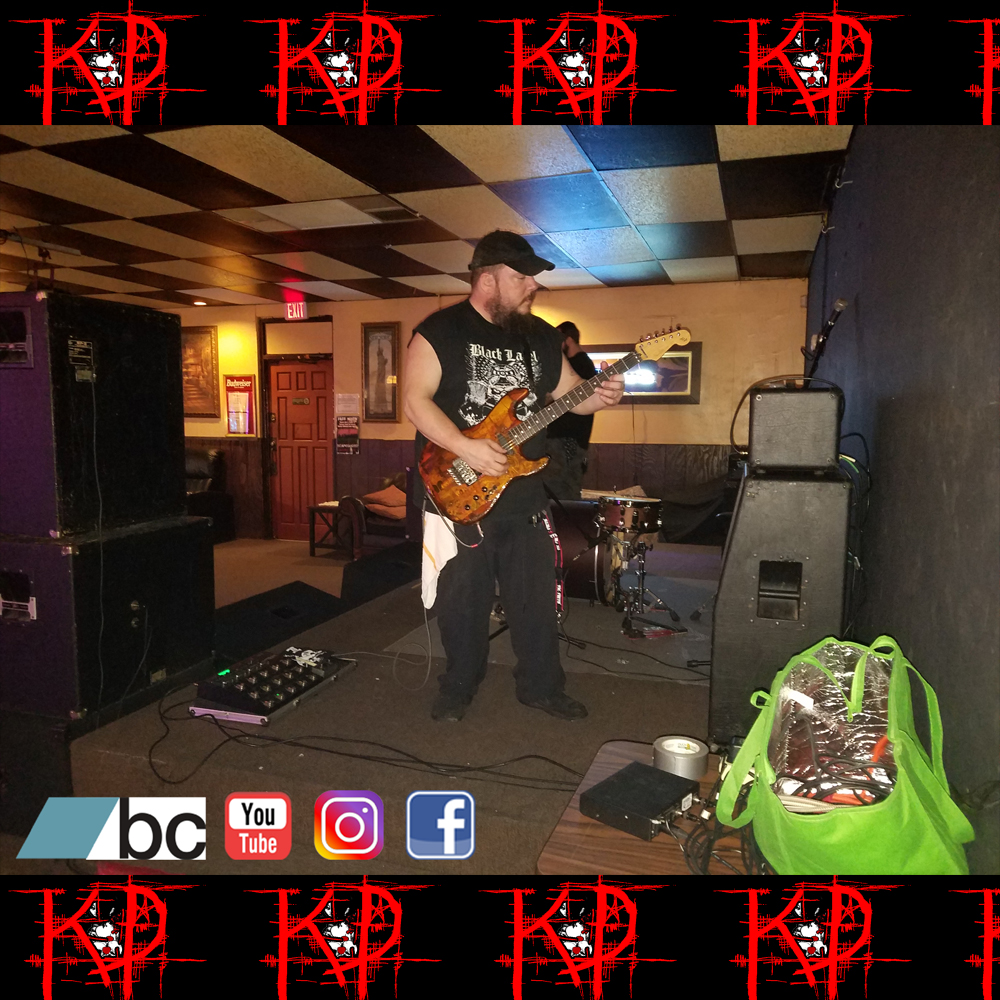
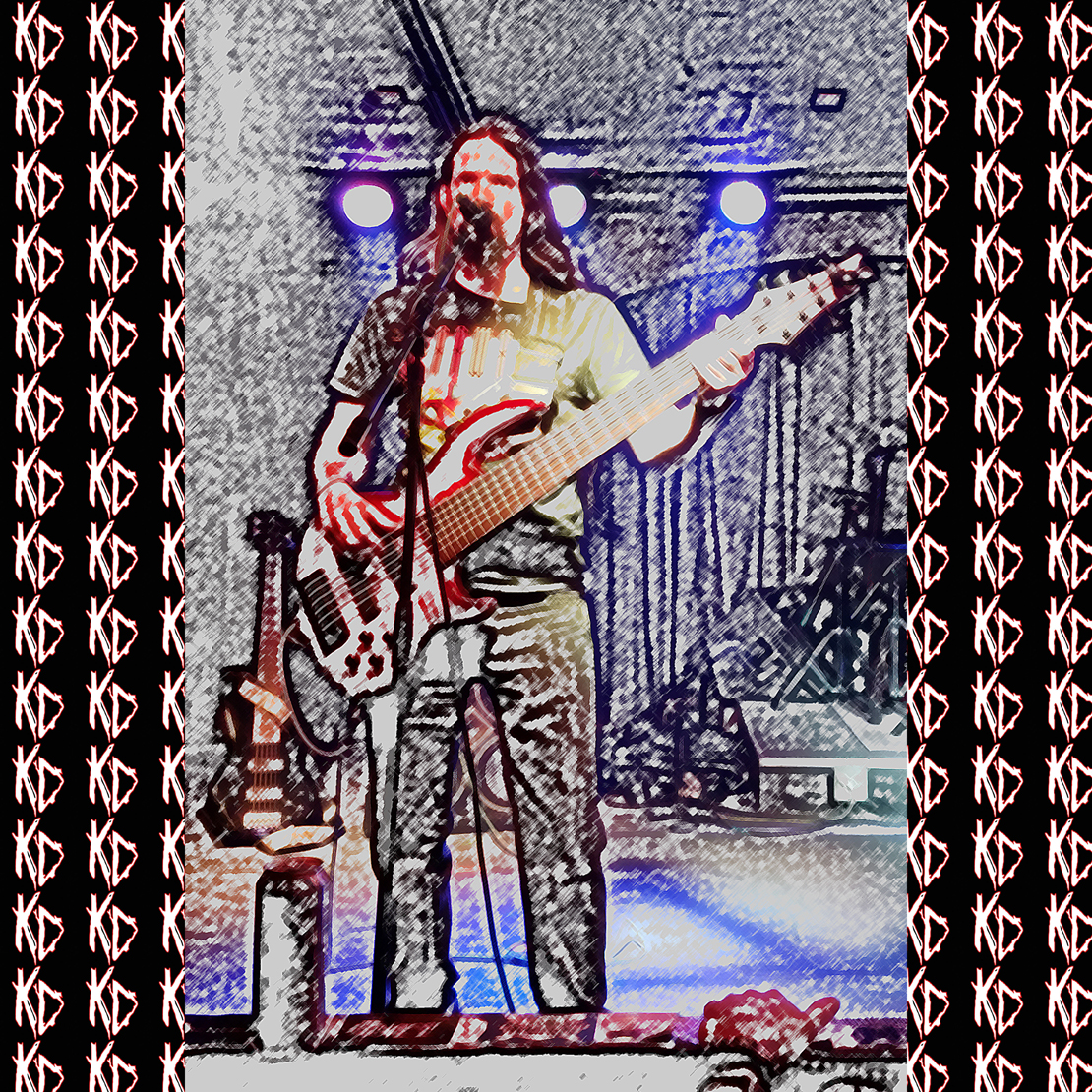
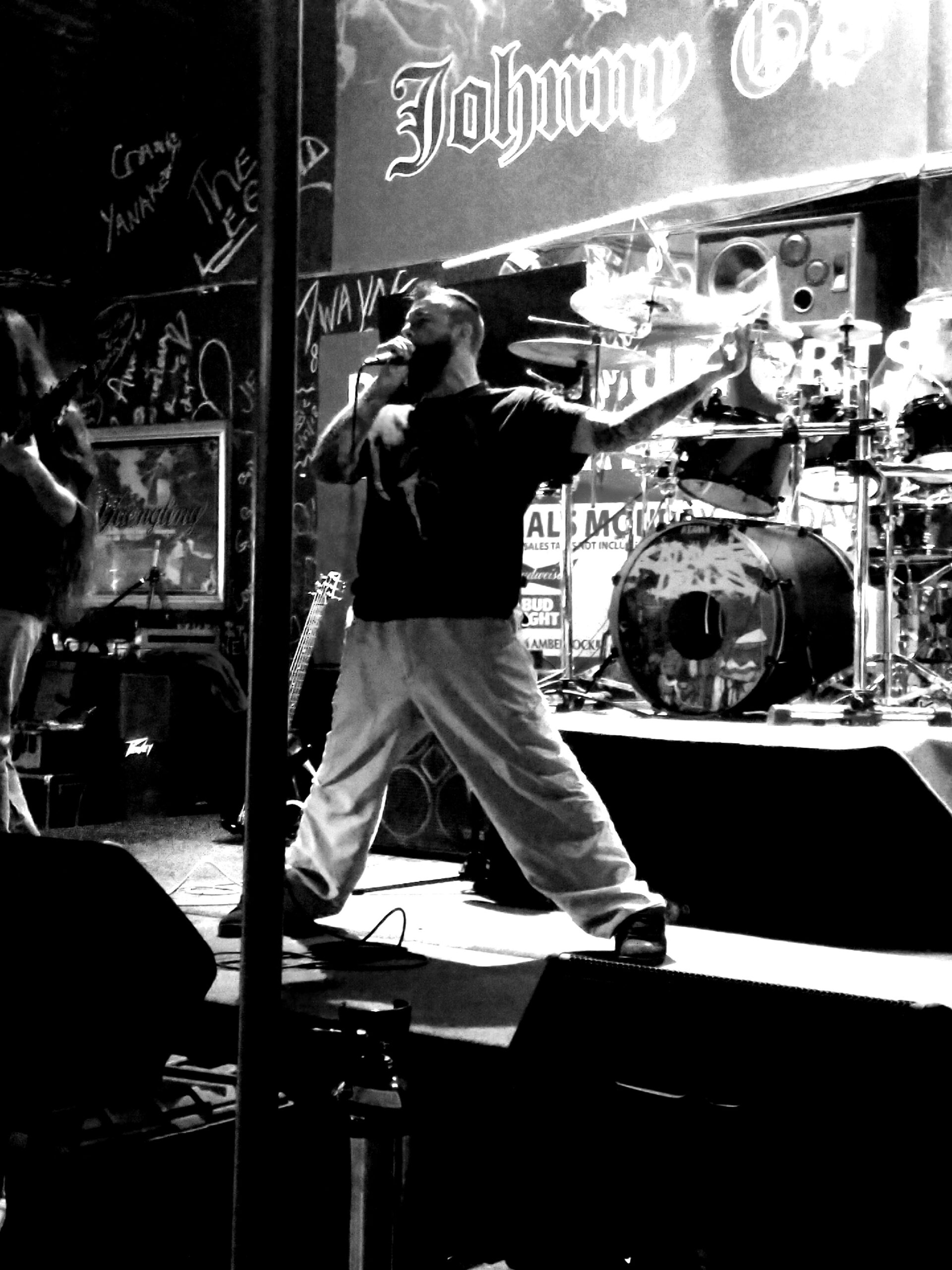
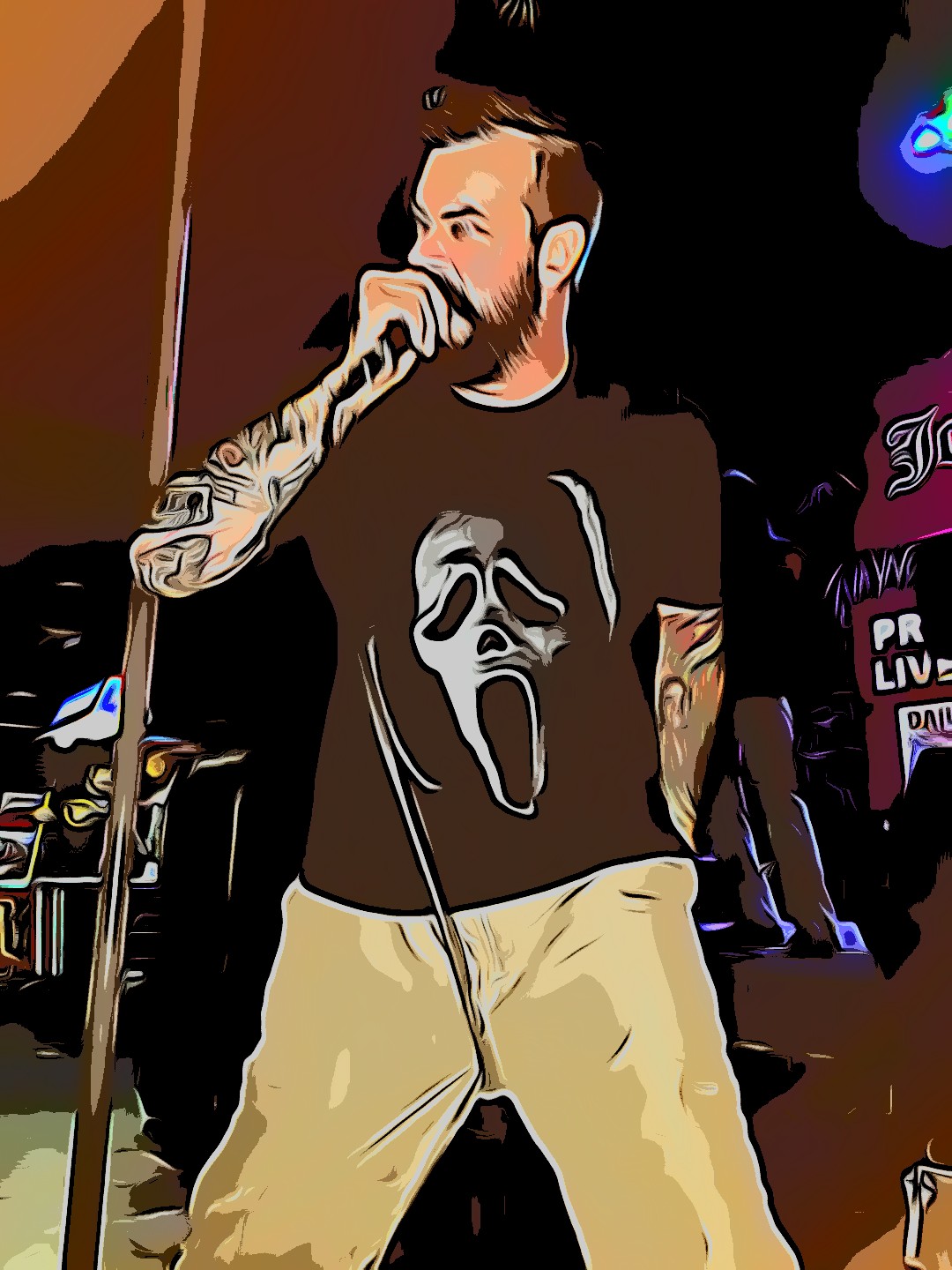
See Samples Below…